Reforestation

Woodland creation in The National Forest in Leicestershire, UK

Woodland creation in The National Forest in Leicestershire, UK

Why support this project?

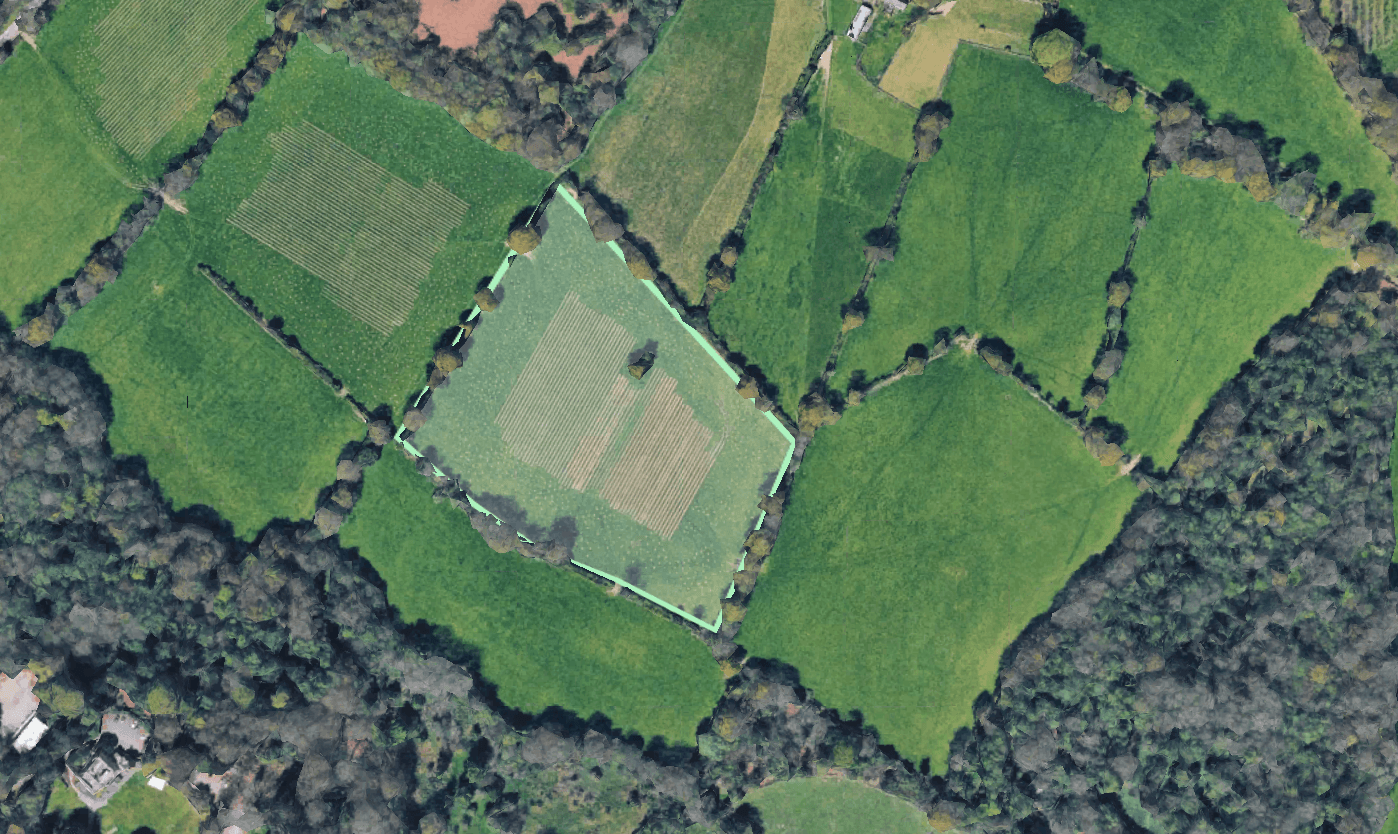
This project will create two new publicly accessible woodlands in The National Forest, planted by local communities and maintained long term. At Chittermans, land that has been closed to the public for at least 200 years is being reopened and linked to two ancient woodlands.

Why plant trees?

Reforestation replants trees on land hit by natural or human disturbance. It restores forest structure and canopy, protects biodiversity and watersheds, and promotes carbon sequestration.

Project summary

Across the two sites, ITF will plant 2,500 native UK trees, using seven species: pedunculate oak (Quercus robur), rowan (Sorbus aucuparia), small-leaved lime (Tilia cordata), hazel (Corylus avellana), silver birch (Betula pendula), wild cherry (Prunus avium) and hornbeam (Carpinus betulus).

The two sites include: Ratby - A new woodland is slowly being created through twice-yearly community tree planting events, with an emphasis on encouraging social cohesion amongst groups who may not typically access woodlands to plant trees.  300 trees will be planted through this mechanism during the 2026/27 planting season.  

Chittermans - Chittermans is a parcel of land previously used for pasture. Planting here started in early 2026 and is now well underway towards linking up two existing ancient woodland sites. This site has not been accessible to the public for at least 200 years, and it is fantastic to now see this landscape accessible once more. In the forthcoming years, many more trees will be planted on these large sites through a variety of styles. 2,200 trees will be planted here this season.

Locations

United Kingdom

United Kingdom

Benefits

Climate

Across Ratby and Chittermans, 2,500 native trees will be planted, capturing carbon dioxide from the atmosphere and storing it in their wood, roots and the soil beneath them. 

At Chittermans, 2,200 trees are being planted on former pasture, where the new woodland will link two existing ancient woodland sites. Joining up woodland in this way helps habitats stay connected and resilient to climate pressures, and allows wildlife to move through the landscape as conditions change. Woodland cover also helps slow rainfall run-off, reduces flood risk, and provides shade and shelter during extreme heat and weather.

Nature

This project plants seven native UK tree species: pedunculate oak (Quercus robur), rowan (Sorbus aucuparia), small-leaved lime (Tilia cordata), hazel (Corylus avellana), silver birch (Betula pendula), wild cherry (Prunus avium) and hornbeam (Carpinus betulus).

Oak will help support hundreds of insect species that in turn feed birds and bats. Rowan, hazel and wild cherry provide berries, nuts and fruit for birds and small mammals, while blossom from cherry, lime and hazel catkins gives pollinators an important early food source. Silver birch and hornbeam add structural variety, offering nesting and shelter for a range of species.

The species will flower, fruit and leaf at different times of year, the mix provides food and habitat across the seasons and builds a resilient, biodiverse woodland over time.

People

Local communities will be invited to plant the trees, whereby they will increase their connection to nature. Likewise, increased tree cover will also deliver benefits to the communities in the way of enhancing publicly accessible routes, lowering local temperatures, providing shade, improving air quality, and beautifying the local landscape.

SDGs supported

Climate Action

Planting 2,500 native trees across Ratby and Chittermans captures carbon dioxide and stores it in the trees’ wood, roots and soil. Woodland cover slows rainfall run-off and reduces flood risk, and provides shade and shelter during extreme heat and weather. Joining up woodland at Chittermans helps habitats stay resilient to climate pressures and lets wildlife move through the landscape as conditions change.

Life on Land

At Chittermans, 2,200 trees on former pasture link two ancient woodland sites, reopening land that has been closed to the public for at least 200 years. Seven native species, including oak, rowan, small-leaved lime, hazel and wild cherry, provide insects, blossom, berries and nuts for birds, bats, pollinators and small mammals. Because the species flower, fruit and leaf at different times, the woodland offers food and habitat across the seasons and builds into a resilient, biodiverse habitat over time.

Verification

These partners help deliver the project and verify its impact.

Suppliers

International Tree Foundation

International Tree Foundation is a charity working with local communities to plant trees and restore forests in places where, together, we can make the fastest, most lasting impact for communities and the future of our planet.