Carbon removal

Wakefield Brunswick Biochar

Wakefield Brunswick Biochar

Why support this project?

The paper and pulp industry typically treats its waste as a disposal problem. Wakefield Biochar sees it differently: repurposing that waste stream into biochar for soil conditioning, composting, and beyond. This “beneficial reuse”  model doesn't just transform waste into something useful, which not only supports a healthier environment, but also strengthens the economy and boosts profitability for businesses.

What is biochar?

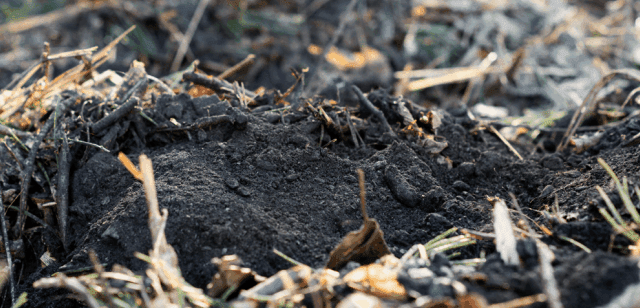
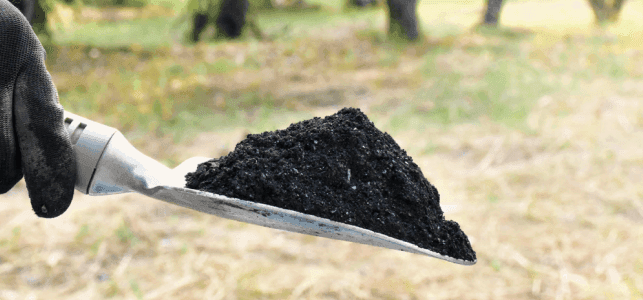
Biochar is a stable, carbon-rich material made by heating plant residues to 350-1000°C with little oxygen. It locks carbon into solid form long-term and boosts soil nutrients and plant productivity.

Project summary

Wakefield Biochar is a family-owned American company dedicated to enhancing the planet’s health through its mission of “Better Soil. Better World.” Since its founding in 2014, Wakefield has championed biochar as a revolutionary tool for improving soil health, sequestering carbon, and replacing harmful chemical fertilisers. 

The project specialises in the beneficial reuse of biomass and mill byproducts. The feedstock derives from virgin pine wood from paper mills processed in our state-of-the-art pyrolysis facility in Valdosta, Georgia, a city with a long history in the forestry industry.  

The project utilises pyrolysis and gasification to eliminate on-site landfill waste from biomass and plastics. They also generate renewable energy that feeds directly into mill operations and converts mill waste into biochar for land applications and other revenue-generating products.


Locations

Valdosta, Georgia, United States

Timeline

Follow the latest milestones and updates from this project.

Dec 2025

Statement No. 004 & Periodic Output Audit Report Issued (Reporting Period: Jan 01, 2025 – Sep 30, 2025

  • EnergyLink Services verified 4,022.89 dry tonnes of biochar produced, granting 3,643.86 CORCs at a conversion factor of 0.905781664 tCO2e per dry tonne
  • Confirmed an average molar H/Corg ratio of 0.27 for pure biochar
Nov 2025

Output Audit Report Issued (Reporting Period: Oct 01, 2023 – Dec 31, 2024)

  • Verified 14,059.35 eligible CORCs derived from 10,801.49 dry tonnes of pure biochar (conversion factor 1.302 tCO2e per dry tonne)
  • Resolved Corrective Action Request 1 (CAR 1) by adjusting the LCA boundary to conclude once biochar is mixed with lime, excluding emissions from geotube dewatering, transport, and land application
Jul 2025

Physical Site Inspection Conducted by Lead Auditor

  • Lead Auditor Rodrigo Pardo Patron visited the Brunswick facility to evaluate dredging routines, Geotube dewatering, and local farmland spreading operations
  • Cross-checked truckload weight tickets against production log records and confirmed compliance with environmental and safety standards
Mar 2024

Transition to Pre-Mixing Biochar Sampling & Monitoring Method

  • Shift in sampling methodology triggered by lower carbon content in mixed spoil material
  • Initiated pure biochar sampling before lime mixing in the pre-settling basin, establishing a compliant molar H/Corg ratio of 0.19
  • Shifted calculations to unmixed biochar measurements, resulting in higher permanence values but lower total CORC volumes
Dec 2023

Statement No. 002 & Audit Report Issued (Reporting Period: Oct 01, 2022 – Sep 30, 2023)

  • Verified 14,151 tonnes of eligible dry biochar, issuing 10,482 CORCs at a conversion factor of 0.741 tCO2e per dry tonne
  • Identified minor calculation errors causing an overcalculation of 47 CORCs (0.446% net error rate), well within the 5% materiality threshold
  • Issued Carry Forward Recommendation 1 to enhance LCA calculation procedures and boundary consistency
Nov 2022

Statement No. 001 Issued (Reporting Period: Jan 01, 2021 – Jun 30, 2022)

  • EnergyLink Services issued Audit Statement No. 001 covering operations from Jan 01, 2021 to Jun 30, 2022
  • Established a verified CO2 removal factor of 0.88 tCO2e per dry tonne of biochar
Jan 2021

Facility Registration & Crediting Period Start

  • Accend AS registered Wakefield Biochar Facility 2 (Facility ID: 244045) located in Brunswick, GA, USA under the Puro Standard General Rules v3.1
  • Crediting Period 1 (CP I) was established for a five-year duration spanning Jan 01, 2021 through Dec 31, 2025

Benefits

Climate

As trees grow, they store carbon from the atmosphere in their biomass through photosynthesis. When this biomass is burned in the absence of oxygen (a process called pyrolysis), one of the byproducts is a stable, carbon-rich residue called biochar.

When biomass decomposes naturally, carbon and methane are emitted into the atmosphere. Since biochar is very stable, the production of biochar using waste biomass, such as waste timber from commercial forests, is a more permanent method of removing carbon dioxide from the atmosphere and storing the carbon on long-term timescales, than allowing the biomass to decompose naturally.

Nature

Mixing the produced biochar into soil can therefore act to permanently lock away its stored carbon, and studies have also found that it can support the fertility and productivity of the soil. This has improved structure, nutrient cycling, and reduced N₂O emissions, particularly on drought-prone pasturelands.

People

In terms of social co-benefits, there has been a significant positive local economic impact with the creation of over 80 green jobs, especially in disadvantaged areas like Valdosta. Wakefield also leads in scaling dMRV-integrated biochar production with flexibility across both agricultural and industrial markets.

SDGs supported

Climate Action

The Biochar project directly supports SDG 13 by transforming waste biomass from the pulp, paper, and sawmill industries into biochar, a stable form of carbon that can be stored in soil for centuries.

Verification

These partners help deliver the project and verify its impact.