Carbon avoidance

Gola Rainforest National Park Conservation

Gola Rainforest National Park Conservation

What is forest protection?

Forest protection projects reduce emissions from deforestation, forest degradation, sustainable forest management, and carbon stock conservation. Developing countries can also earn results-based payments for emission reductions through these activities.

Project summary

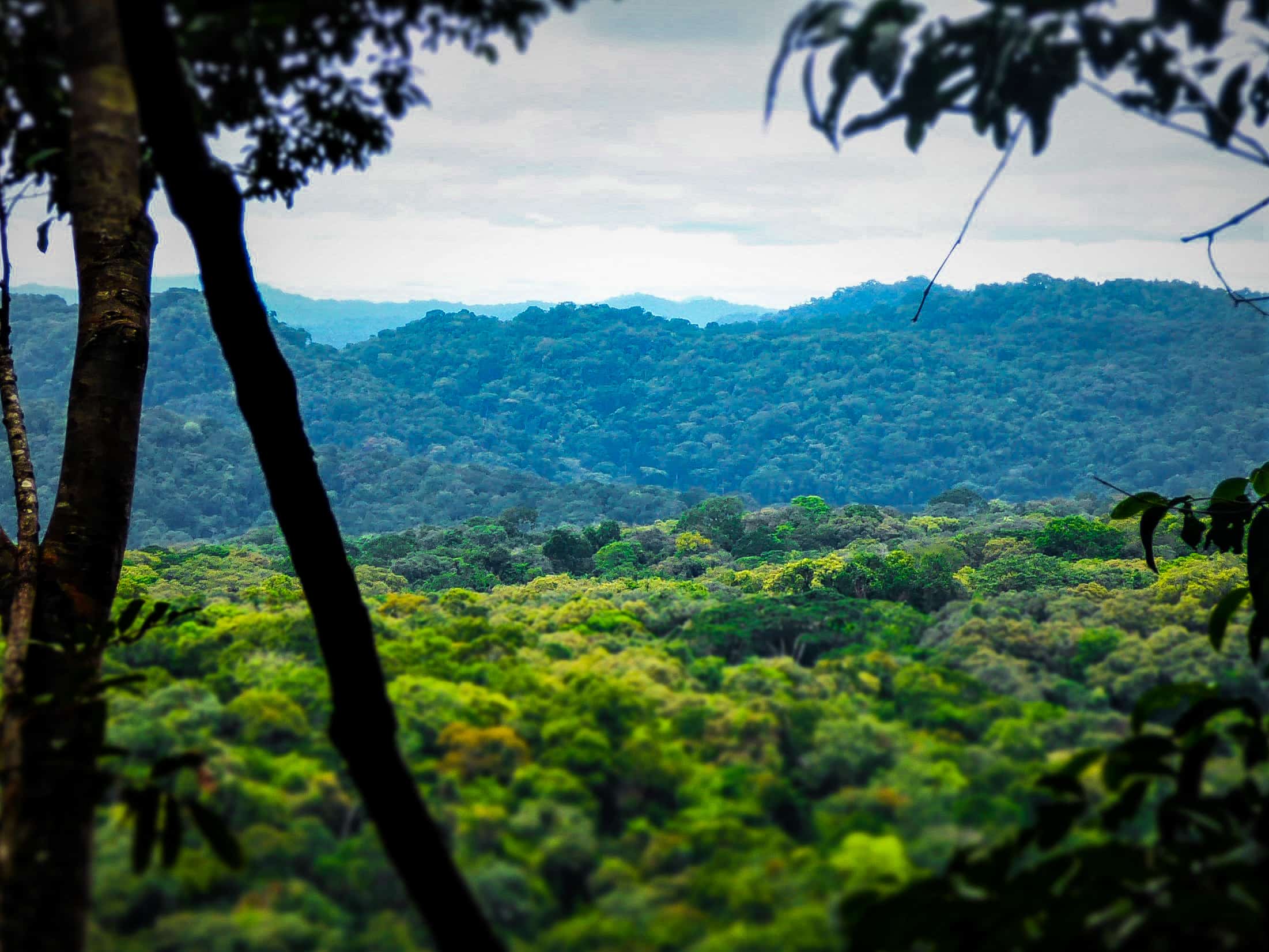
VCS1201 is an Avoided Deforestation project in southeast Sierra Leone and is the first REDD+ project in the country. The project seeks to conserve 68,000 hectares of the Gola Rainforest National Park, which is recognised as a global biodiversity hotspot. Under the management of the Gola Rainforest Conservation LG and in partnership with the Government of Sierra Leone and conservation organisations, the project aims to mitigate deforestation risks through robust conservation management. It also aims to promote sustainable livelihoods and agricultural practices among forest-edge communities.

Locations

Sierra Leone

Timeline

Follow the latest milestones and updates from this project.

Mar 2025

Publication of Third Monitoring Report (2019–2023)

  • The RSPB and EP Carbon finalized the CCB & VCS Monitoring Report (CCB v3.0 / VCS v4.4) for the monitoring period Jan 01, 2019–Dec 31, 2023
  • Reverified Gold Level status for Climate Change Adaptation and Biodiversity
  • Reported 2,149,509 tCO2e in net estimated emission removals during the 5-year monitoring window
Dec 2023

Second Verification Audit Report Issued by Aster Global

  • Aster Global Environmental Solutions published final Verification Report
  • Verified 2,108,857 tCO2e net emission reductions for Jan 01, 2015–Dec 31, 2018, resulting in 1,697,497 VCUs issued after a 15% buffer pool deduction (411,360 tCO2e)
Oct 2023

Completion of Second Monitoring Report (2015–2018)

  • CCB & VCS Monitoring Report Version 3.1b was finalised for the 4-year monitoring period from Jan 01, 2015 to Dec 31, 2018.
Jan 2023

Non-Permanence Risk Report Update

  • The RSPB issued Non-Permanence Risk Report Version 2 for VCS Project 1201, assigning an internal risk score of 7, an external risk score of 7, and confirming low natural disaster risks
Nov 2015

First Verification Audit Report Issued

  • Rainforest Alliance published the final VCS/CCB Verification Audit Report
  • Confirmed the generation of 975,023 VCUs after buffer deductions for the monitoring period Aug 01, 2012–Dec 31, 2014
Oct 2015

CCB Validation Statement Issued

The project formally achieved validation under the Climate, Community & Biodiversity (CCB) Standards 2nd Edition

Oct 2015

Publication of Project Description & Risk Assessment

  • Final Verified Carbon Standard Project Description (VCS PD v1.0) was formally issued
  • Version 3 of the AFOLU Non-Permanence Risk Report was completed
Sep 2015

Completion of First Monitoring & Implementation Report

  • The project proponent finalized Version 2 of the Gola REDD Project Monitoring and Implementation Report I for the period Aug 01, 2012–Dec 31, 2014
Sep 2015

First Verification Period Field Audit Executed

  • Field verification audit activities were carried out by Rainforest Alliance across participating communities and forest areas for the initial monitoring period (Aug 01, 2012–Dec 31, 2014)
Feb 2015

Formal Field Validation Audit Conducted

  • Rainforest Alliance auditors conducted on-site field visits, stakeholder interviews, and technical reviews across the project zone
Nov 2012

Initial Pre-Validation Audit Executed

  • Rainforest Alliance conducted a preliminary VCS pre-validation audit to evaluate the project's early design, baseline carbon accounting, and governance framework
Oct 2012

Project Start Date & Crediting Period Initiation

  • The Gola REDD Project (VCS 1201) officially initiated its 30-year crediting period, set to run through Jul 31, 2042
Jan 2011

Official Declaration of Gola Rainforest National Park

  • The Government of Sierra Leone formally upgraded the Gola Forest Reserve to National Park status (GRNP), legally prohibiting commercial logging across 68,515 hectares
  • Sierra Leone's Parliament enacted legislation establishing the framework for the National Protected Area Authority (NPAA) and Conservation Trust Fund
Jan 2002

Formation of the Gola Forest Programme

  • The Ministry of Agriculture, Forestry and Food Security (MAFFS), the Royal Society for the Protection of Birds (RSPB), and the Conservation Society of Sierra Leone (CSSL) established a partnership to manage conservation initiatives across seven surrounding Chiefdoms

Benefits

Climate

Forest protection under this REDD+ project prevents large quantities of carbon from being released into the atmosphere, approximately half a million tonnes of CO₂e per year, and keeps around 19 million tonnes of carbon stored in forest biomass. The project also promotes natural regeneration in degraded areas and strengthens climate resilience by educating communities on climate impacts, improving ecosystem health, and monitoring forest and biodiversity indicators. By keeping the rainforest standing and functioning, it contributes directly to both climate mitigation and adaptation

Nature

By conserving the largest remaining block of Upper Guinea tropical rainforest in Sierra Leone, the project safeguards critical habitat for hundreds of species, including endangered and threatened birds and mammals such as chimpanzees, pygmy hippos, and other flagship species. The area is part of a globally recognised biodiversity hotspot and forms important ecological corridors across the Greater Gola Landscape. These efforts help maintain species richness and ecological connectivity, which are essential for long‑term ecosystem resilience

People

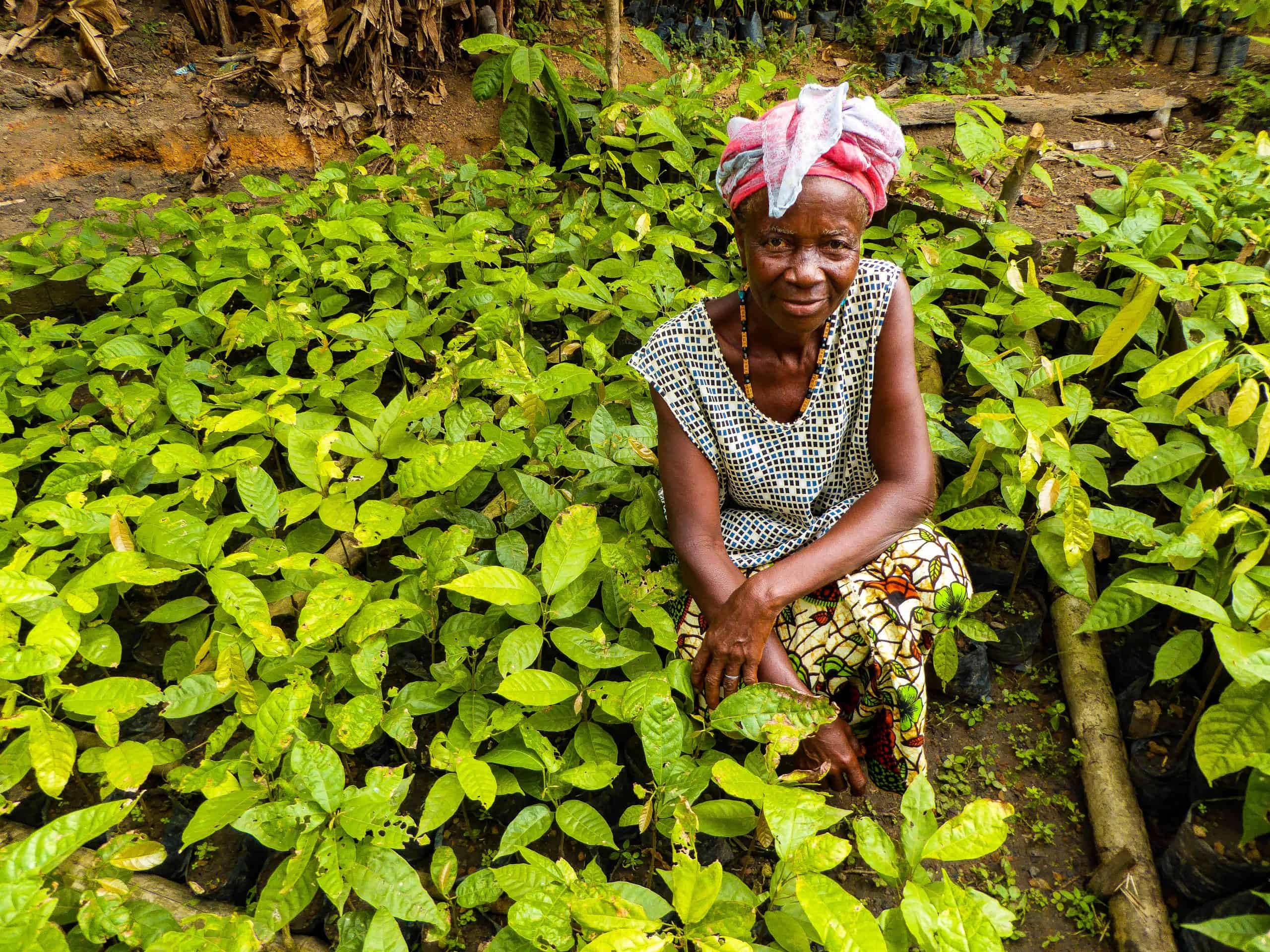
The project supports sustainable livelihoods and social development for communities around the Gola Rainforest in Sierra Leone and Liberia. It funds community initiatives that build long‑term economic opportunities, such as farmer field schools, community‑managed loan schemes, and training programmes (including gender inclusivity training). These help local farmers improve crop yields and diversify into sustainable high‑income activities like forest‑friendly cocoa production, which has been exported and recognised internationally.

SDGs supported

No Poverty

The project supports forest-friendly, sustainable commodity production and has established 42 cocoa farmer groups with over 1,500 registered cocoa farmers. The cocoa farmer associations have exported more than 35 tonnes of rainforest friendly cocoa into the international market, where it is being recognised for its quality and unique story (Gola Rainforest Chocolate). 83 villages have participated in cocoa mapping and cocoa growing support programmes

Quality Education

658 scholarships for secondary schools were awarded in 2017, in communities where families cannot normally afford to educate their children past primary school.

Decent Work and Economic Growth

Project activities help local farmers integrate commercially viable and sustainable practices into their work. 35 farmer field schools provide training to improve crop yields and quality. As part of this, 90 “Master Farmers” have been trained to cascade training and support other farmers and 66 community members have been trained as Gender Inclusivity trainers. 35 Community managed Loan Schemes have been established to allow communities to buy equipment and seeds necessary to implement sustainable agricultural practices. 450 people have benefited to date, primarily women.

Sustainable Cities and Communities

24,000 people in 122 different communities directly benefit from the project

Climate Action

Although the primary objective of the Gola project is protecting the existing high carbon stores, the project also enables significant carbon removal as well through natural regeneration of previously degraded areas. Since its inception in 2012, it is estimated that the project area has sequestered an additional 460,000 tC02e.

Life on Land

The biodiversity hotspot contains 327 bird species, 31 fish species and over 100 other mammal species including the pygmy hippopotamus.

Good Health and Well-Being
Life Below Water

Verification

These partners help deliver the project and verify its impact.

Suppliers

Gola Rainforest Conservation LG

Gola Rainforest Company Limited by Guarantee (GRC-LG) is a joint venture organization established in 2014 to manage the Gola Rainforest National Park in Sierra Leone and protect the surrounding transboundary ecosystem

Verifiers

Verified Carbon Standard

The Verified Carbon Standard (VCS) Program is the world's most widely used greenhouse gas (GHG) crediting program.

View evidence
Climate, Community and Biodiversity Standard

Projects developed under the CCB Program must follow a rigorous assessment process to be certified. The CCB Standards are managed by Verra but were developed through a multi-stakeholder process by the Climate, Community & Biodiversity Alliance, a partnership of CARE, Conservation International, The Nature Conservancy, the Rainforest Alliance and the Wildlife Conservation Society.