Carbon removal

The Carbon Farming Program of Lithuania

The Carbon Farming Program of Lithuania

What is regenerative agriculture?

Regenerative farming rebuilds soil health, biodiversity and climate resilience through minimal tillage, soil cover, diverse crops and grazing, cutting reliance on synthetic fertilisers and pesticides.

Project summary

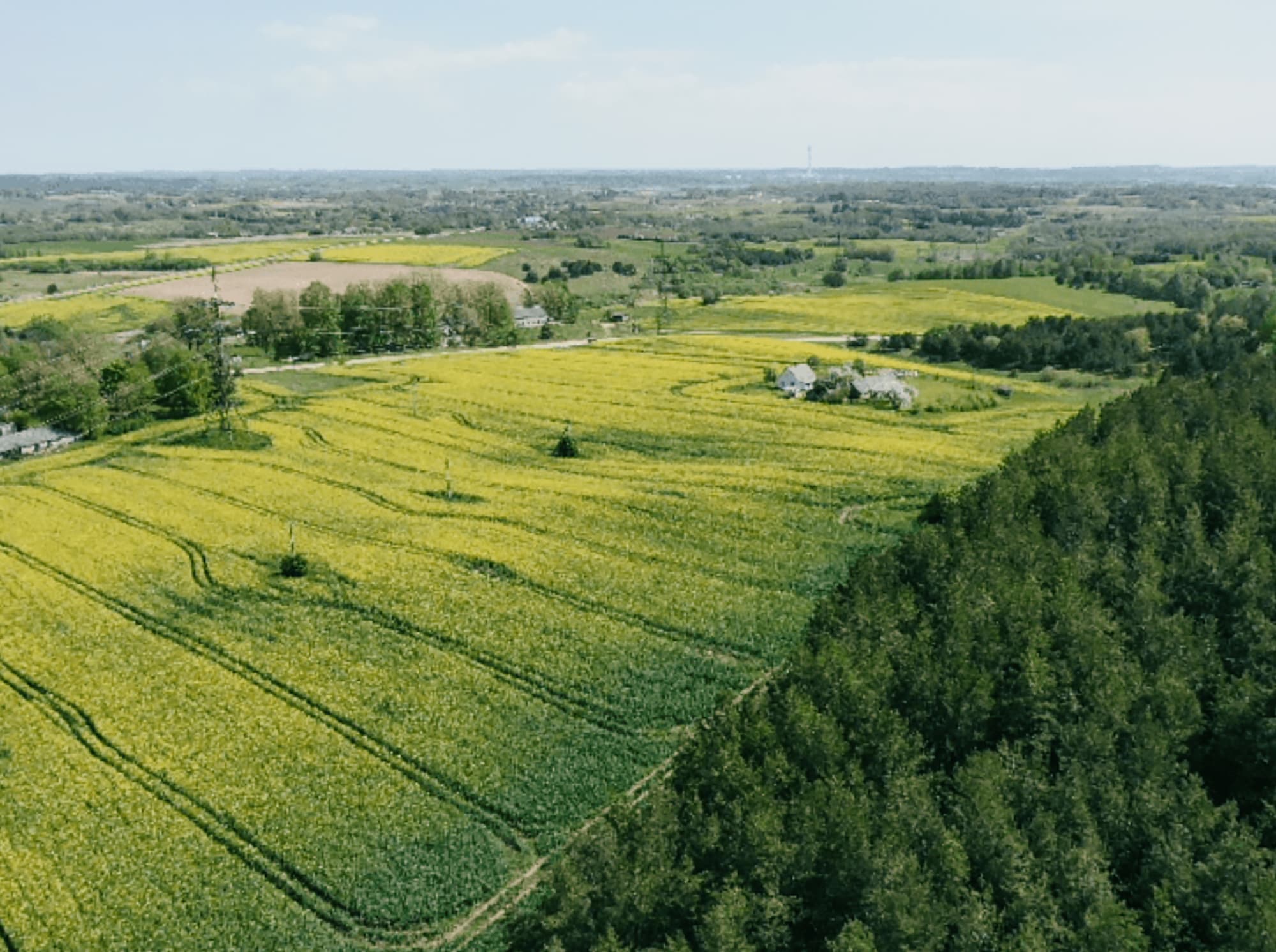
The Carbon Farming Program of Lithuania is a joint initiative between UAB Heavy Finance (HF) and farmers within the Lithuanian Republic's borders. The program utilises private capital to implement and adopt improved agricultural land management for a long-term period, thus changing the mindset and establishing climate change mitigation and biodiversity-friendly practices. 

It is a first-of-its-kind program in Lithuania and the Baltics. It aims to assist farmers in overcoming barriers that prevent adopting sustainable land management practices by providing financial support, scientific knowledge, training, and technical support to adopt climate activities. 

The program is designed to expand over time and cover a range of conservation farming practices in Lithuania to help drive the change from the current conventional agriculture toward resilient and sustainable agrifood systems. 

The project operates under Verra’s VM0042 methodology and has enrolled 21,000 hectares of farmland into the scheme.

Locations

Lithuania

Benefits

Climate

The combination of implemented project activities will reduce the amount of released CO2 and N2O against common practices and sequester carbon in the soils, qualifying for CO2 removal.

The program fosters soil fertility restoration and improvement of cash-crop yields while building the resilience of the farming systems to the impacts of climate change and mitigating greenhouse gas emissions from agricultural practices within the borders of the Republic of Lithuania. One of the project's main objectives is to reduce soil disturbance and introduce proper residue management. Changing tillage practices from intensive to minimal, no-till, or strip-till will improve soil organic carbon stock retention and accumulation, increase in organic matter, waterholding and nutrient capacity. The practice aims to keep soil surface covered to create the best environment for microbiom to grow.

Soil is recognised as the second largest carbon pool after the oceans and one of the crucial components of the biosphere, supplying primary ecosystem services and functions. The importance of Improved Agriculture Land Management is prominent to reduce excessive CO2 from the atmosphere and mitigating global warming to maintain temperatures 1.5 °C or 2 °C set by the targets of the Paris Agreement.

Nature

Improved agriculture land management refers to the techniques that focus on soil health and fertility by storing and increasing organic carbon, reducing anthropogenic gases from excessive use of chemical fertilisers in the context of the offered program, accelerating changes to pre-existing agricultural management practices, and adopting the methods listed in VM0042 methodology.

People

The Program aims to reward farmers for the positive results of fostering improved agricultural land management practices by sharing the revenue obtained from the sale of VCUs generated through verified greenhouse gas emissions reduction and removal projects. 

Project activities are helping farmers achieve balance in the triple bottom line - economic, environmental, and social. 

Moreover, the program intends to provide farmers with additional benefits like technical support, a set of MRV tools, professional agriculture staff consultations, training, sharing of best practices from the international network, updated science research, and good practices that shall facilitate the successful output in farm production and climate change mitigation.

SDGs supported

Good Health and Well-Being

Applying sustainable land management practices will allow farmers to produce the quality of crop with increased nutrition facts for the health and benefit of the consumers and reducing the use of harmful pesticides and fertilizers, sustainable agriculture can improve public health and reduce environmental pollution.

Decent Work and Economic Growth

The rural areas of Lithuania are not economically attractive and gradually vanishing. The project activities and incentives influence decent wages, stable employment, and economic development and can help evolve the country's rural areas.

Climate Action

Agriculture's transition to sustainable practices is acting as the nature-based solution for excessive Carbon Dioxide Removal through the biological process of photosynthesis. It is sequestered in the soil in organic carbon form, which permanently locks excessive emissions. Soils play the role of the natural sink for carbon storage, improving soil's physical, biological and chemical properties and reducing emissions from fossil fuel combustion. Nitrogen Oxide emissions from excessive synthetic fertilizer application and groundwater pollution from Nitrogen leaching

Life on Land

The primary tool in agriculture is soil. Soil is a living organism that significantly impacts the climate and ecosystems. The project aims to reduce soil disturbance, synthetic fertilizers, herbicides, and pesticides, improve crop rotation, and incorporate cover crop techniques to restart the natural cycles of soil and water to increase above and below-ground biodiversity and restore local ecosystems.

Verification

These partners help deliver the project and verify its impact.

Suppliers

InSoil
InSoil

InSoil provides sustainable farming solutions, including financing, agronomy support, and soil carbon credit programs to help farmers.

Key Carbon
Key Carbon

Key Carbon finances and supports high-quality projects that tackle climate change, enhance biodiversity, improve soil health and water quality.

Verifiers

Verified Carbon Standard

The Verified Carbon Standard (VCS) Program is the world's most widely used greenhouse gas (GHG) crediting program.

View evidence