

Carbon avoidance
Reducing emissions through sustainable composting in Vietnam
Overview
Site
Benefits
Verification
Context
According to the World Bank, global waste generation exceeds 2 billion tonnes per year. In landfills, organic processes break down waste, and this process releases the harmful greenhouse gas methane (CH4) into the atmosphere.
While methane molecules don’t stay in the atmosphere for as long as carbon dioxide molecules do, they have a much greater warming effect while they are there. It is estimated that methane accounts for over a third of today’s anthropogenic global warming, and landfill sites are one of the largest sources of methane emissions worldwide.
Project
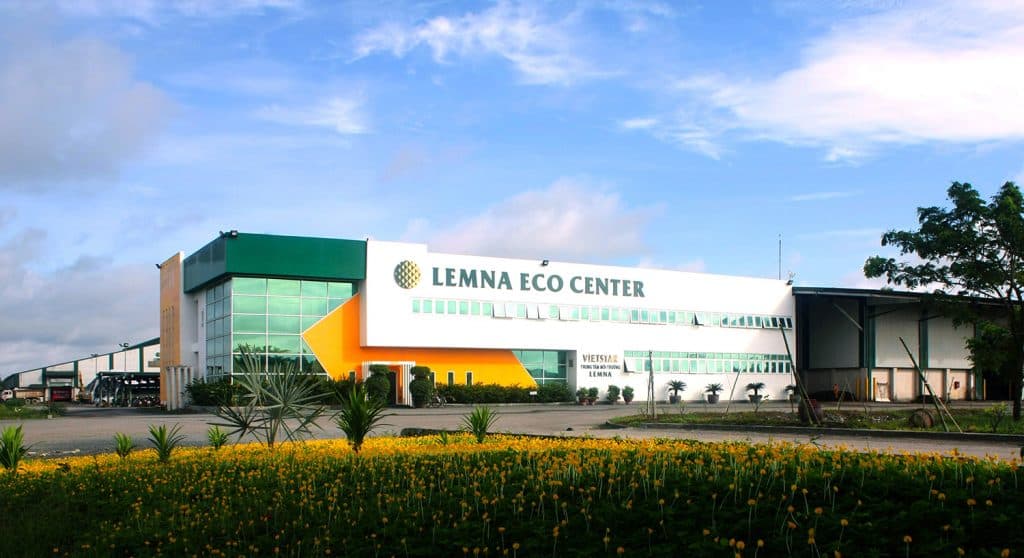
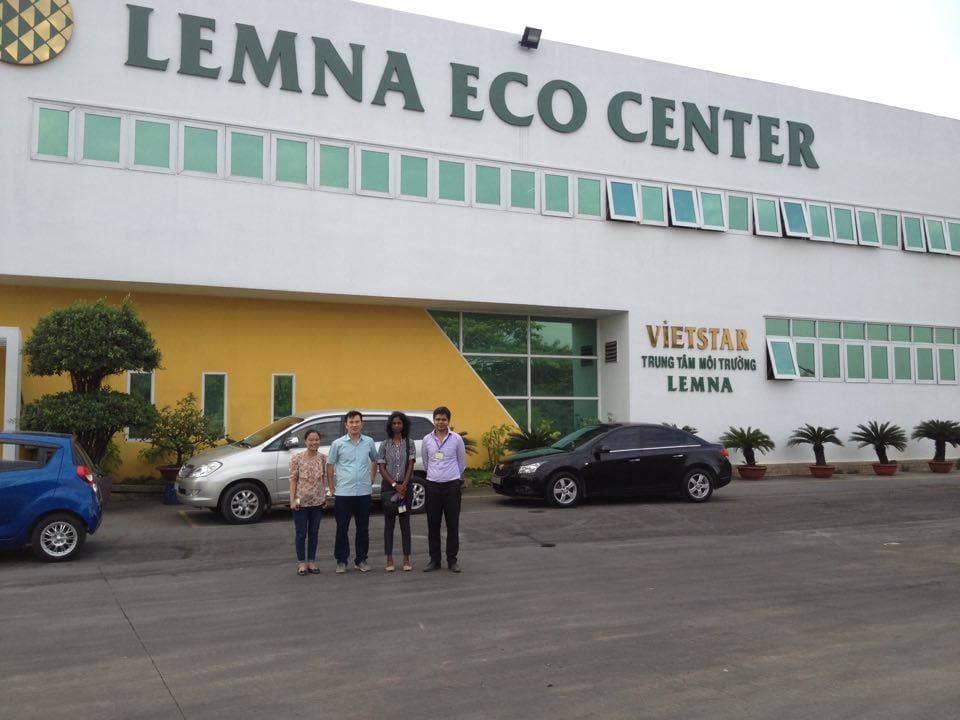
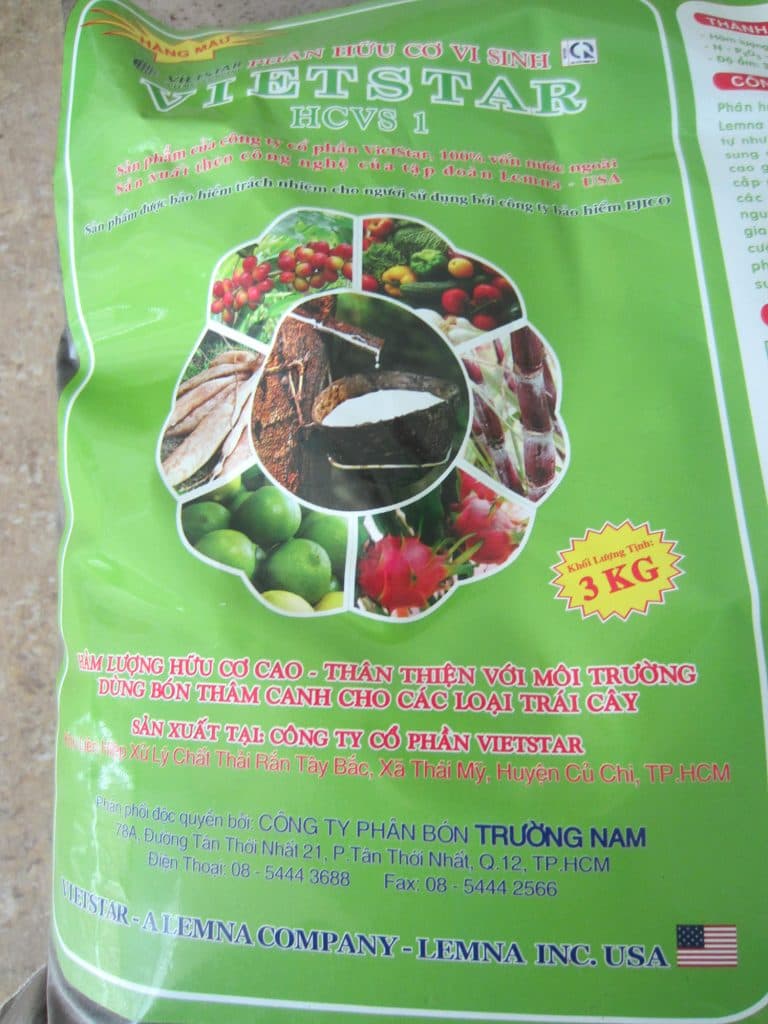
This innovative project aims to improve the sustainability and circularity of Vietnam’s waste disposal activity. It addresses the environmental impact of municipal landfills by pre-sorting and classifying solid waste, recycling plastic and then treating remaining organic matter with advanced composting technology. The final product of organic compost is then sold as high-quality bio-fertiliser – producing over 53,000 tonnes each year.
In 2014, the project doubled its capacity and the facility now treats 432,000 tons of solid waste per year – around 1,200 tonnes per day. In 2020, the project completed its 4th successful verification under the Gold Standard. The project’s environmental and social impacts are also third-party verified by TÜV SÜD.
As well as emissions reductions of around 181,000 tCO2e per year, the project also reduces the amount of waste going into landfill, creates 388 local jobs, and supports local farmers as the organic fertiliser improves soil productivity, contributing to economic sustainable development of the region.
Verification
This project is verified by the Gold Standard. You can view it on the Gold Standard Registry here.

Climate Solution #2
Composting
While many landfills have some form of methane management, it is far more effective to divert organic waste to composting.
Composting ranges in scale from backyard bins to industrial operations. The basic process is the same: ensuring sufficient moisture, air, and heat for soil microbes (bacteria, protozoa, and fungi) to feast on organic material.
Rather than generating methane, the composting process converts organic material into stable soil carbon, while retaining water and nutrients of the original waste matter. The result is carbon sequestration as well as production of a valuable fertilizer.
Photos
Locations
Ho Chi Minh City, Vietnam
Benefits
Sustainable development goals
These Sustainable Development Goals show the wider outcomes this project supports beyond its headline impact.


Verification
These partners help deliver the project and verify its impact.
Verifier

Gold standard
This project is verified by the Gold Standard.