Reforestation

Restoring woodlands to reduce flooding in York, UK.

Restoring woodlands to reduce flooding in York, UK.

Why support this project?

The River Foss is a landscape under pressure, and this project puts 3,500 trees where they can make a significant difference. Planting on the banks of York’s river is a priority area in the local nature recovery strategy and part of York’s long-term flood planning. Supporting this project delivers benefits for both people and nature, close to a city that is vulnerable to flooding.

Why plant trees?

Reforestation replants trees on land hit by natural or human disturbance. It restores forest structure and canopy, protects biodiversity and watersheds, and promotes carbon sequestration.

Project summary

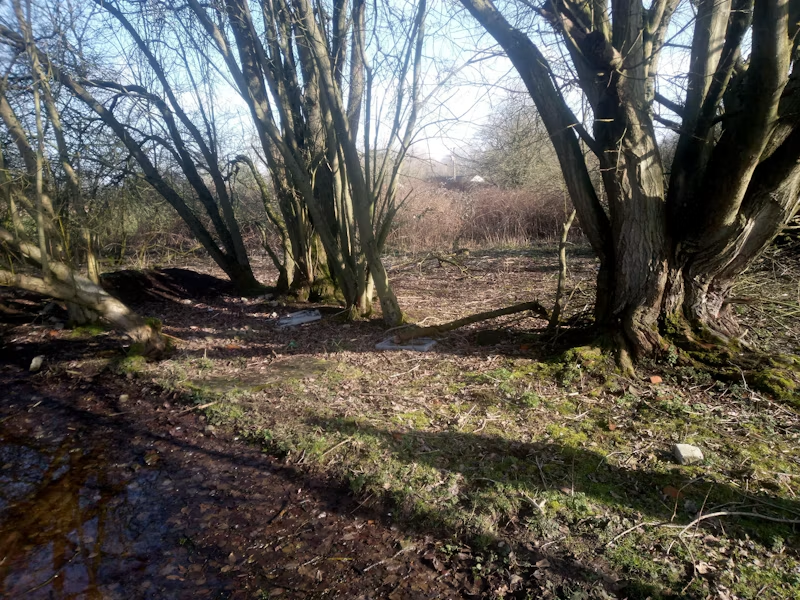
This project will plant 3,500 trees along the River Foss on the outskirts of York, creating native woodland, wet woodland and hedgerow across a river corridor. This will help restore and enhance the river corridor, supporting wider flood reduction measures identified in York’s long-term flood management plans. The area is also a priority within the North Yorkshire and York Local Nature Recovery Strategy (LNRS).

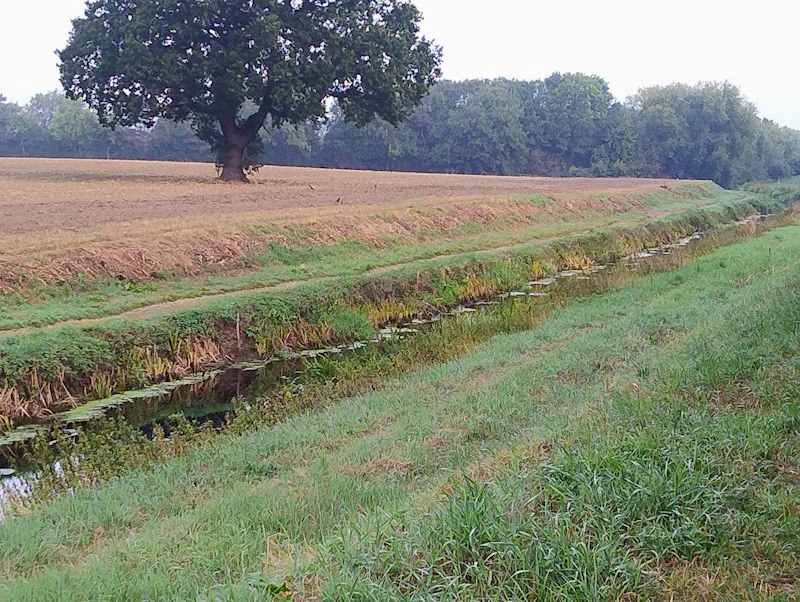
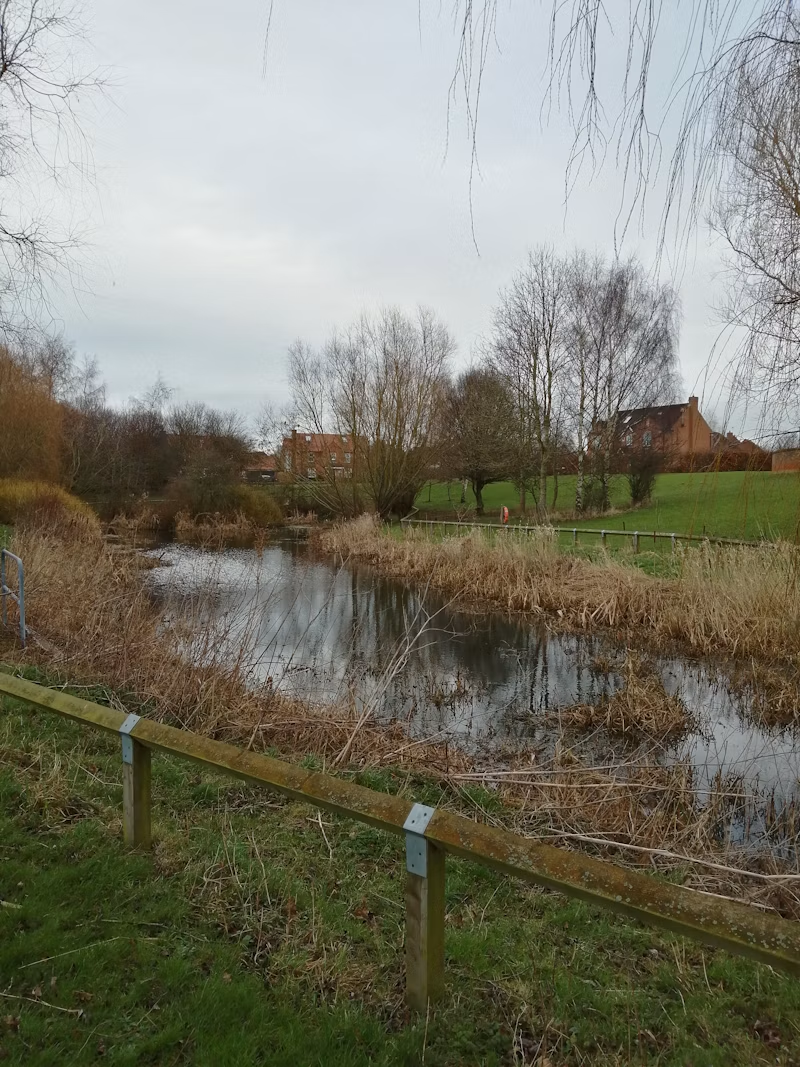
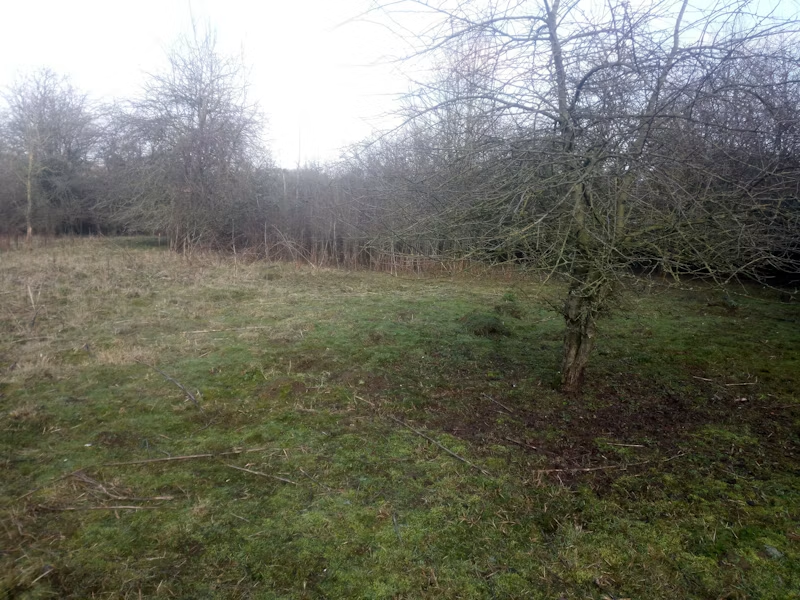
Planting along the river boundary of the lower Foss’s only arable field will also slow surface water runoff, reduce soil erosion and improve habitat connectivity. Tree planting on the former Yorkshire Water site will transform an underused area into diverse woodland habitat, while planting around the balancing pond will enhance conditions for wetland wildlife. 

Together, these measures will help reverse habitat degradation, increase biodiversity and improve the resilience of the river corridor to flooding and climate change.

Locations

United Kingdom

Benefits

Climate

Planting 3,500 trees along the River Foss will help tackle climate change by capturing carbon dioxide and storing it in the trees’ wood, roots and the soil beneath them. Wet woodland, which thrives in waterlogged conditions, is especially good at locking carbon into the soil over the long term.

The project will also help the river corridor adapt to a changing climate. Heavier rainfall and more frequent flooding are expected, and the new woodland and hedgerows will slow surface water runoff, reduce soil erosion and absorb excess water, supporting York’s long-term flood management plans. Planting around the balancing pond and along the river boundary will further buffer the river against extreme weather, while the connected habitat helps wildlife adapt as conditions change.

Nature

This project plants a diverse mix of 11 native UK tree and shrub species: alder (Alnus glutinosa), silver birch (Betula pendula), downy birch (Betula pubescens), bird cherry (Prunus padus), elder (Sambucus nigra), hawthorn (Crataegus monogyna), hazel (Corylus avellana), holly (Ilex aquifolium), dogwood (Cornus sanguinea), aspen (Populus tremula) and willow (Salix spp.).

People

The project will benefit the local community by creating a new, accessible natural space where residents can enjoy trees, wildlife and the river environment. It will provide opportunities for people of all ages to spend time outdoors, supporting physical and mental wellbeing, while increasing opportunities to connect with and learn about nature. The project will also enhance the local landscape and create a richer habitat for wildlife, providing long-term benefits for both the community and environment.

Community involvement will be central to the project. Volunteers will help with planting and ongoing care, including watering, mulching, clearing vegetation and monitoring tree health. This will provide opportunities for residents to develop practical skills, work together and take ownership of the new woodland. Led by the St Nicks staff team, this ongoing involvement will help build a lasting connection between local people and the site and ensure the trees are well cared for as they establish.

SDGs supported

Climate Action

Planting 3,500 trees along the River Foss captures carbon in the trees’ wood, roots and soil, with wet woodland especially effective at locking carbon into the soil over the long term. The new woodland and hedgerows slow surface water runoff, reduce soil erosion and absorb excess water, supporting York’s long-term flood management plans as heavier rainfall and more frequent flooding are expected. Planting around the balancing pond and along the river boundary further buffers the river corridor against extreme weather.

Life on Land

The project creates native woodland, wet woodland and hedgerow across the river corridor, using a diverse mix of 11 native UK tree and shrub species including alder, aspen, hazel and willow. Underused land at the former Yorkshire Water site becomes diverse woodland habitat, and planting around the balancing pond improves conditions for wetland wildlife. The new planting improves habitat connectivity along the river, helping to reverse habitat degradation in a priority area of the local nature recovery strategy.

Verification

These partners help deliver the project and verify its impact.

Suppliers

International Tree Foundation

International Tree Foundation is a charity working with local communities to plant trees and restore forests in places where, together, we can make the fastest, most lasting impact for communities and the future of our planet.