
Planting goal
Target date for the planting of 1,450 native trees.
This project addresses the urgent need to restore canopy cover and build resilience against climate change impacts like droughts and flooding. By planting a diverse mix of native species, the project mitigates the spread of natural diseases and improves soil water retention on steep valley slopes. The project is managed by Protect Earth, a registered charity with over a decade of experience in UK restoration, including the management of ancient woodlands and large-scale woodland creation.

Reforestation replants trees on land hit by natural or human disturbance. It restores forest structure and canopy, protects biodiversity and watersheds, and promotes carbon sequestration.
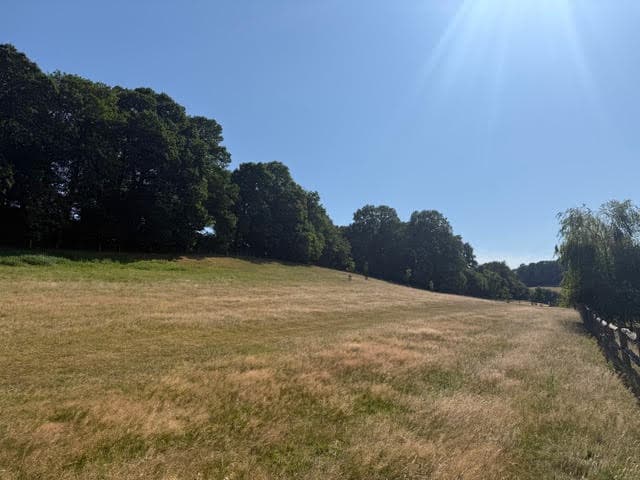
This project involves the planting of 1,450 native trees across two sites in Bramley, Surrey: Thorncombe Farm and Lower Combe Farm. The primary objective is to contribute to the area’s canopy cover, which has suffered losses due to extensive ash dieback.
The project sites, Thorncombe Farm and Lower Combe Farm, are located in Bramley, Surrey. The land consists of managed grassland fields and felled woodland areas affected by ash dieback. Protect Earth has extensive local ties in the area, having previously planted 2,760 trees and hedgerows on a neighbouring site on Thorncombe Street.
Follow the latest milestones and updates from this project.
Target date for the planting of 1,450 native trees.
The project will increase soil water retention and slow surface runoff on the steep valley slopes, building resilience against future droughts and reducing the risk of flooding. The restoration of canopy cover helps remove carbon from the atmosphere and improves air quality.
By planting 1,450 native trees, the project enhances biodiversity and restores habitats in areas previously affected by ash dieback. A diverse mix of species, including Aspen, Oak, Silver Birch, and Alder, ensures a reduction in the spread of natural diseases and supports local ecology. The species chosen are appropriate for the local sandy spoil and native broadleaf requirements.
The project was initiated through local community engagement, with a local neighbour connecting with Protect Earth to extend the planting area. This has created a volunteer group, including younger community members, who participate in planting and maintenance days. Protect Earth will also deliver presentations on planting and wildling to further educate the community.

Restoring canopy cover removes carbon from the atmosphere and improves air quality. On the steep valley slopes, the new planting increases soil water retention and slows surface runoff, building resilience to future droughts and reducing flood risk. Ongoing maintenance and volunteer engagement help the saplings establish so these benefits last.

Planting 1,450 native trees restores habitat in areas previously affected by ash dieback. A diverse mix of species, including Aspen, Oak, Silver Birch and Alder, reduces the spread of natural diseases and supports local ecology. The species are suited to the local sandy spoil and native broadleaf requirements, and local volunteers help look after the woodland as it establishes.
These partners help deliver the project and verify its impact.

Protect Earth is a registered charity in England and Wales. Our purpose is simple: we aim to plant, and help people plant, as many trees as possible in the UK to help mitigate the climate crisis.