Reforestation

Restoring degraded ancestral land in Australia

Restoring degraded ancestral land in Australia

Why support this project?

Rejuvenation Trees is an Australian First Nations-led initiative that reconnects the Wudjari people with their ancestral land while restoring critical biodiversity in Southwestern Western Australia, one of only 25 Global Hotspots for Plants and Wildlife designated by Conservation International.

Why plant trees?

Reforestation replants trees on land hit by natural or human disturbance. It restores forest structure and canopy, protects biodiversity and watersheds, and promotes carbon sequestration.

Project summary

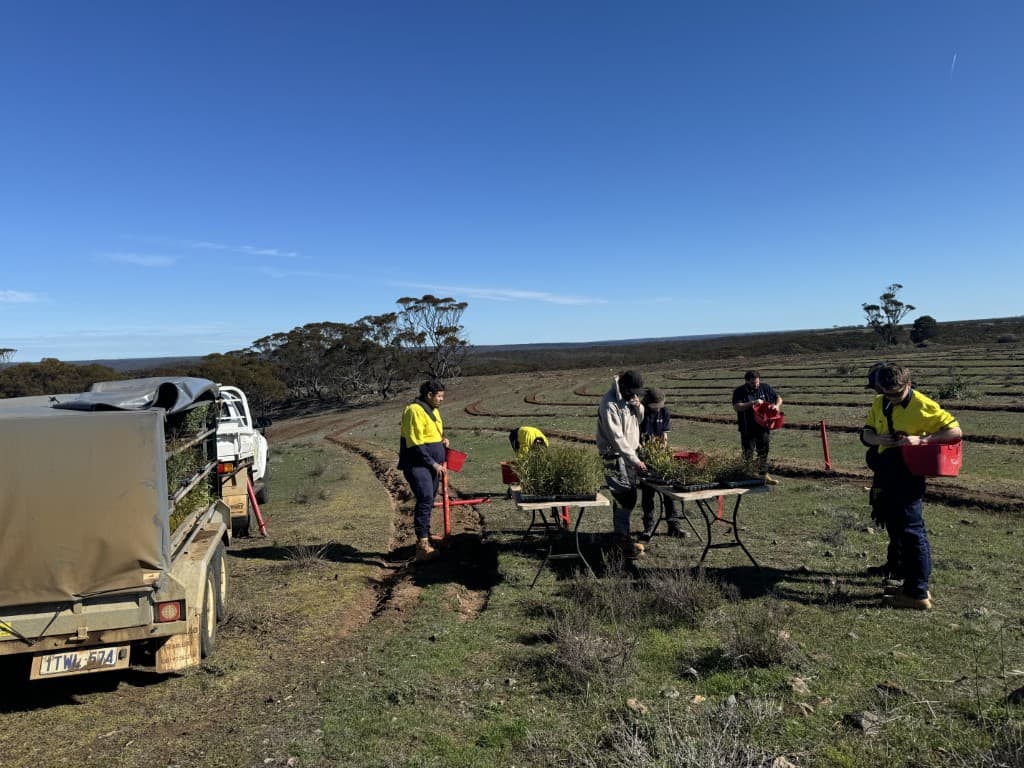
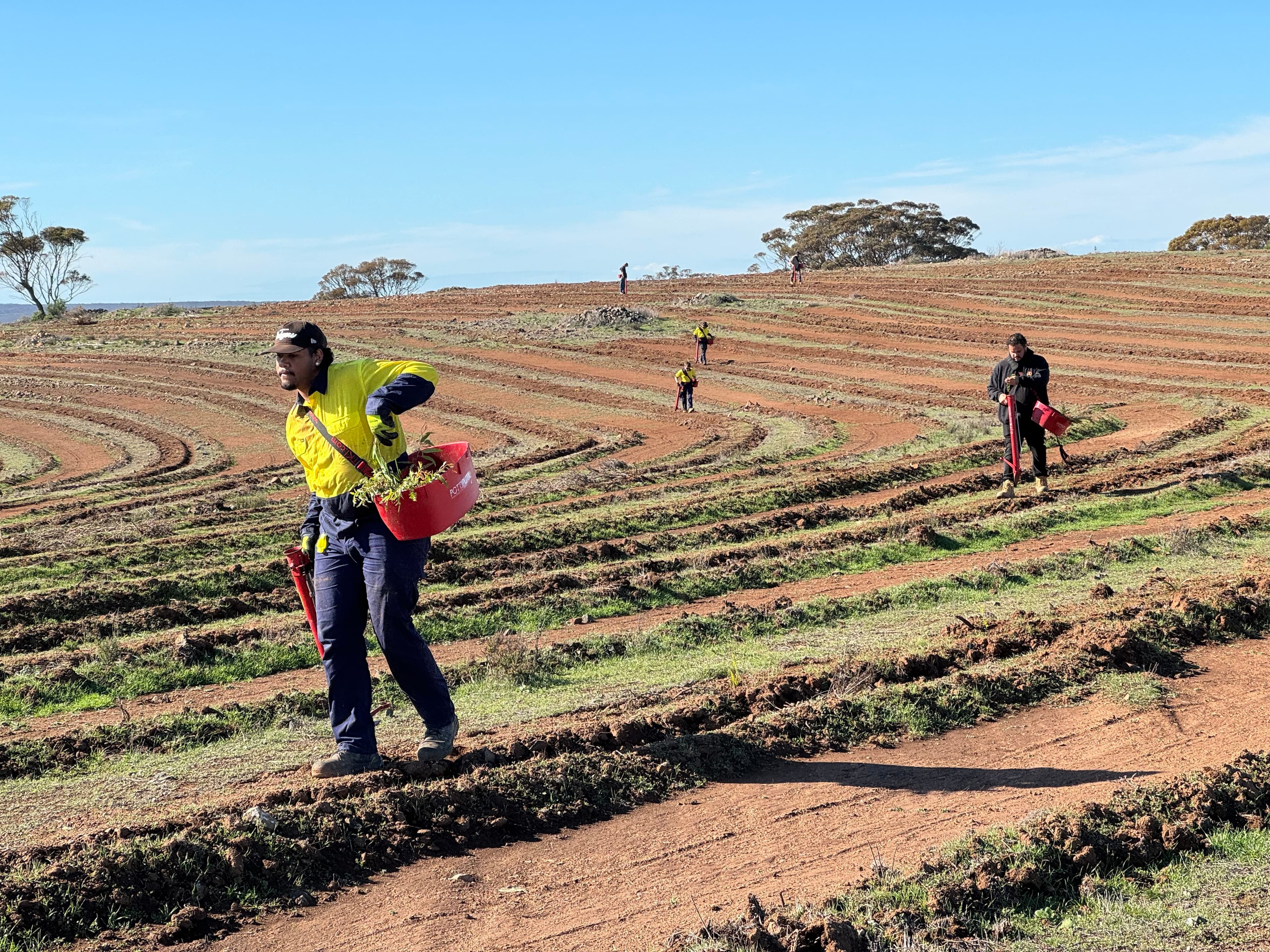
The project centres on the Kardutjaanup site, a 4,000-hectare former wheat farm selected by the Tjaltraak people, where 200 hectares will undergo initial reforestation through direct seeding and hand-planting of endemic species. Since European settlement, this biodiverse region has suffered severe degradation from agricultural clearing and chemical-intensive farming, resulting in soil deterioration, groundwater contamination, and the fragmentation of native vegetation that once supported unique species found nowhere else on Earth. The separation of First Nations people from their traditional lands has compounded these impacts, preventing the application of the traditional land management knowledge developed over tens of thousands of years.

The project's transformative approach interweaves ecological restoration with true economic self-determination for First Nations communities. By enabling land ownership and generating sustainable income through forest restoration and regenerative agriculture, Rejuvenation Trees creates pathways for the Tjaltraak people to own homes, build generational wealth, and secure employment through land management activities. All implementation work is carried out by members of the local Wudjari community, with capacity-building as a core program element, including the training of new Tjaltjraak Rangers.

Locations

Western Australia, Australia

Timeline

Follow the latest milestones and updates from this project.

Oct 2026
35 jobs supported with training and employment opportunities

35 jobs supported with training and employment opportunities

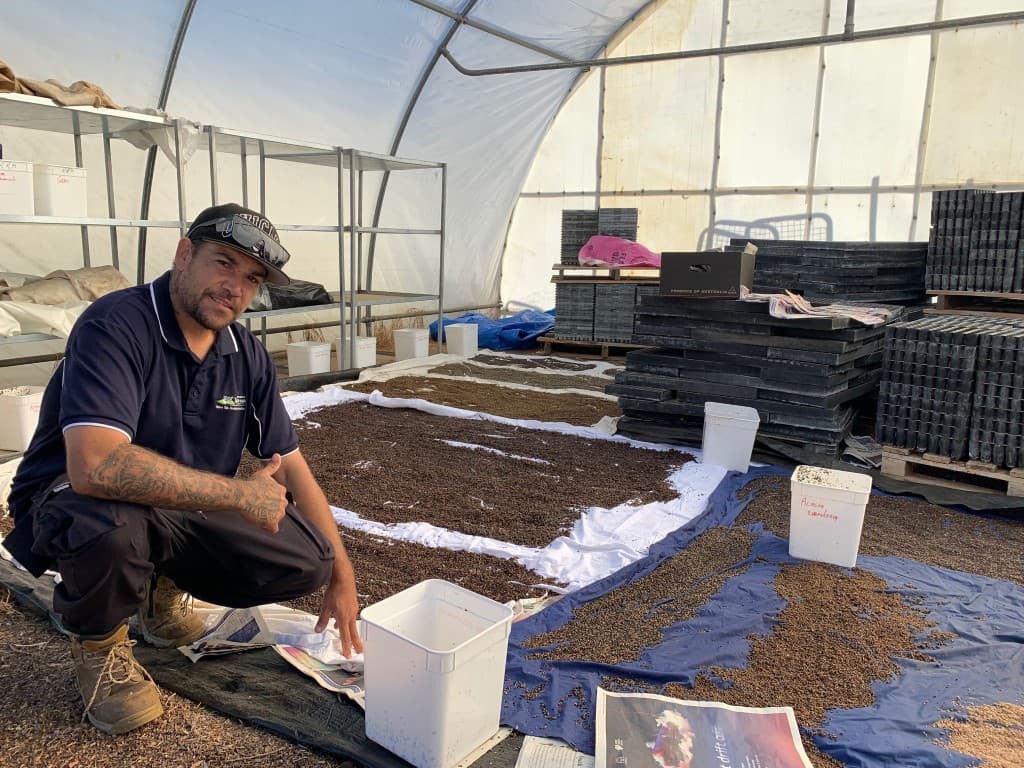
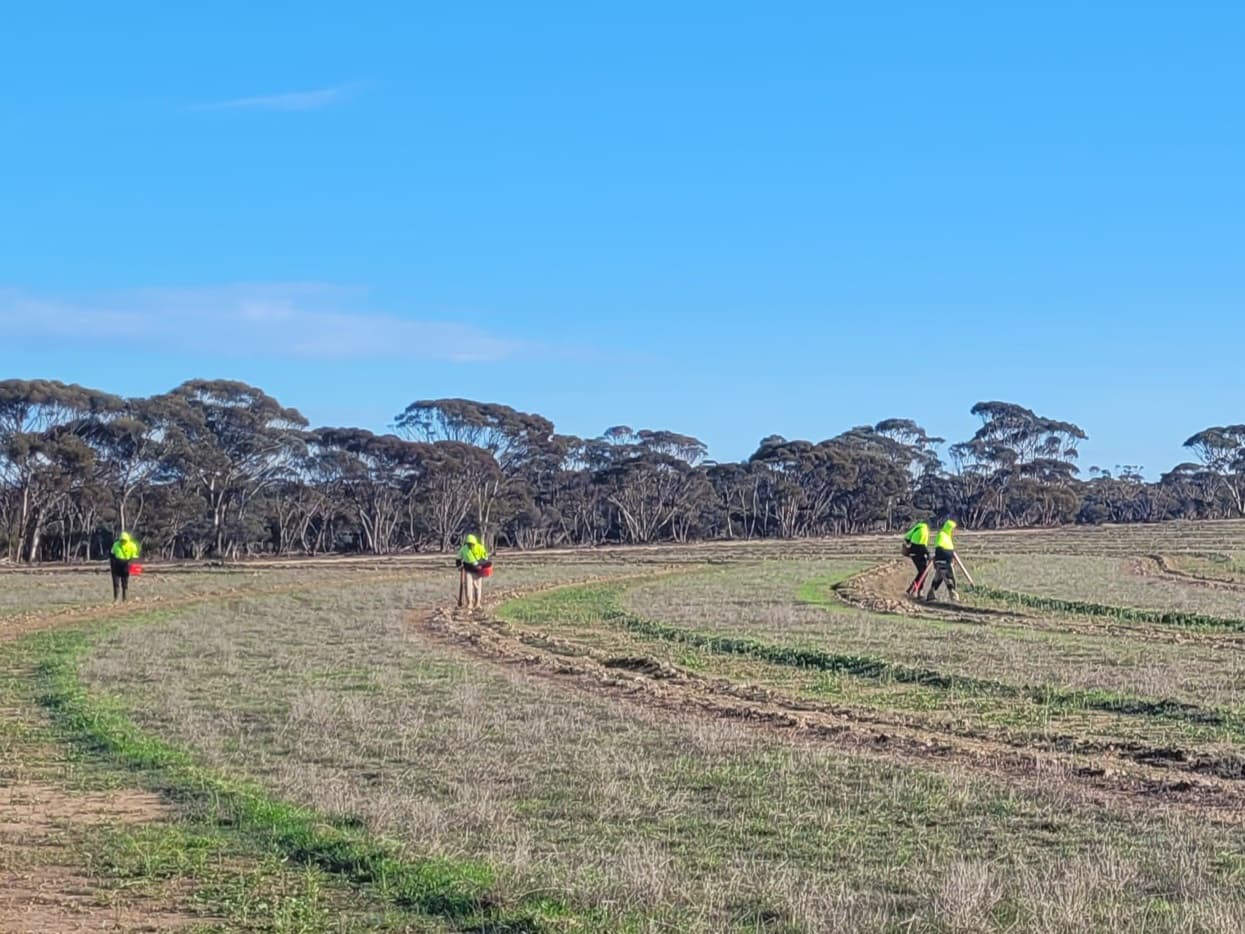
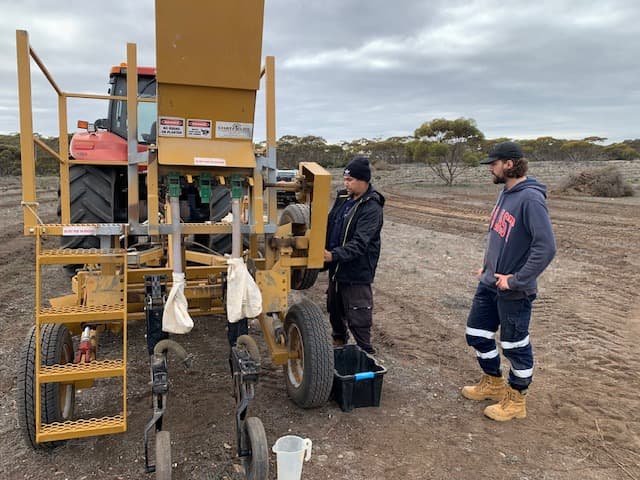
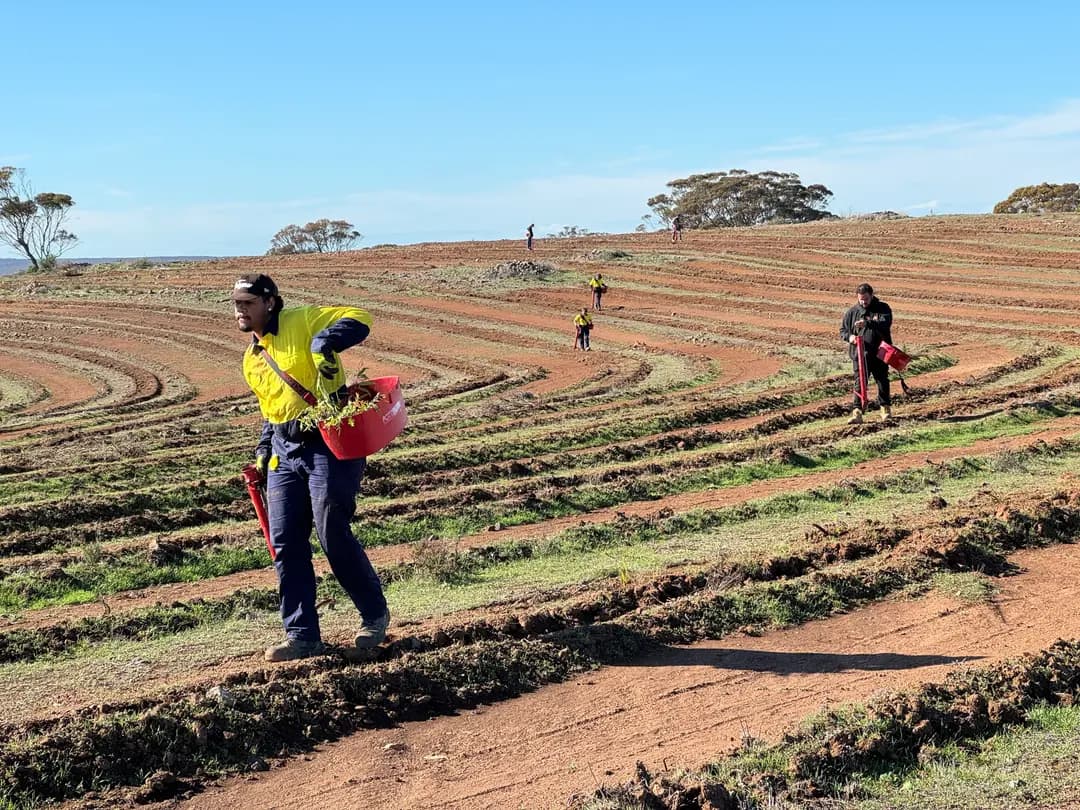
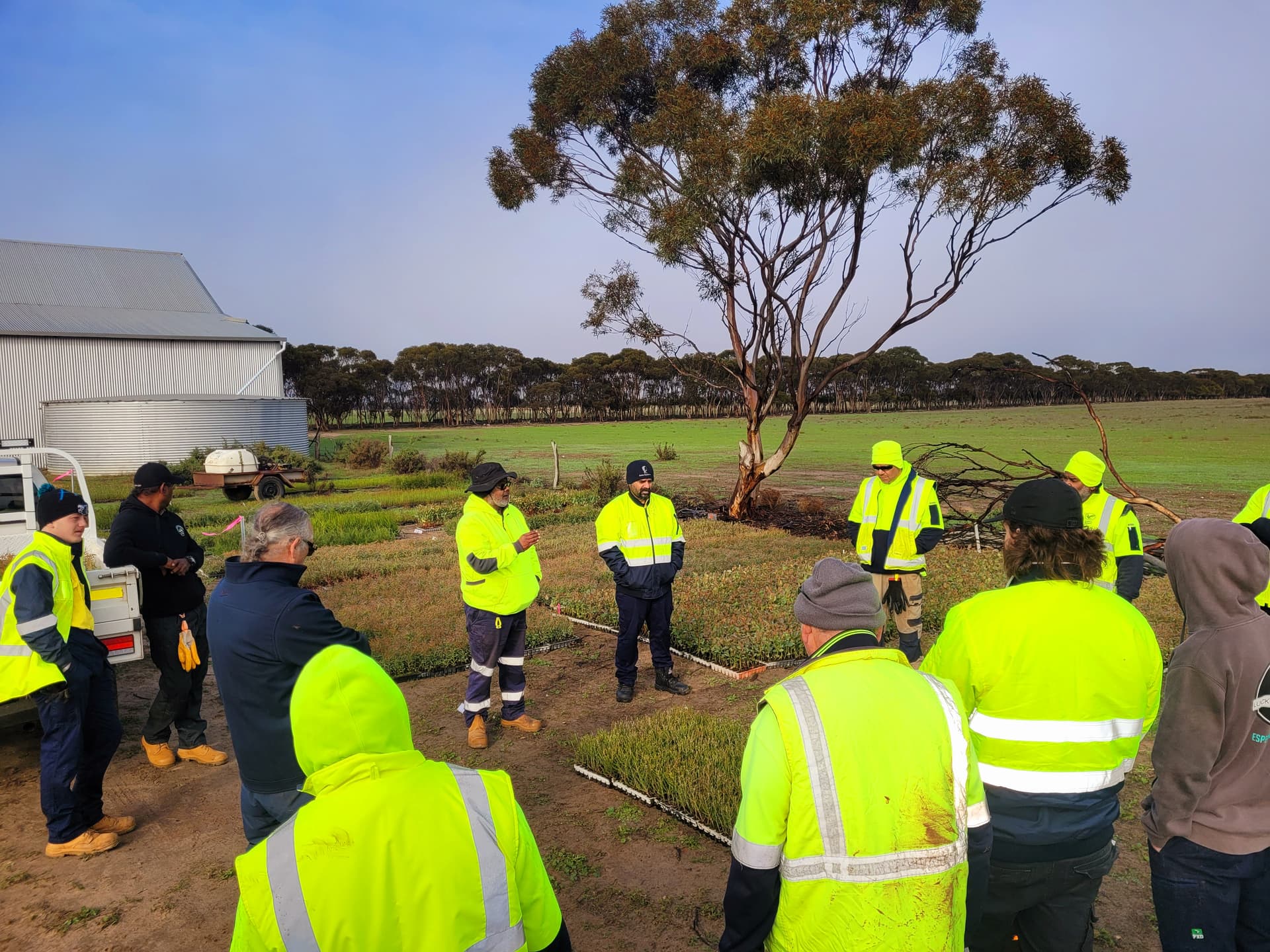
All program activities are being carried out by members of the local Wudjari community, who will receive technical training in areas such as seed collection, ecology, and machinery operation.

The goal is to restore a healthy landscape while empowering First Nations people to own, live on and manage their land, ensuring a bright and prosperous collective future where culture is empowered, and relationships are rebuilt.

Training and job opportunities are created within the local community in planting and land management. Youth are engaged at all stages, including participation in the restoration economy, which provides pathways for young people within the Wudjari community to lead more purposeful and prosperous lives than previous generations.

This project also engages women at all stages, from employing women at the Director, management, and implementer levels to engaging them in the consultation process.
Oct 2026
Over 6,000 trees supported

Over 6,000 trees supported

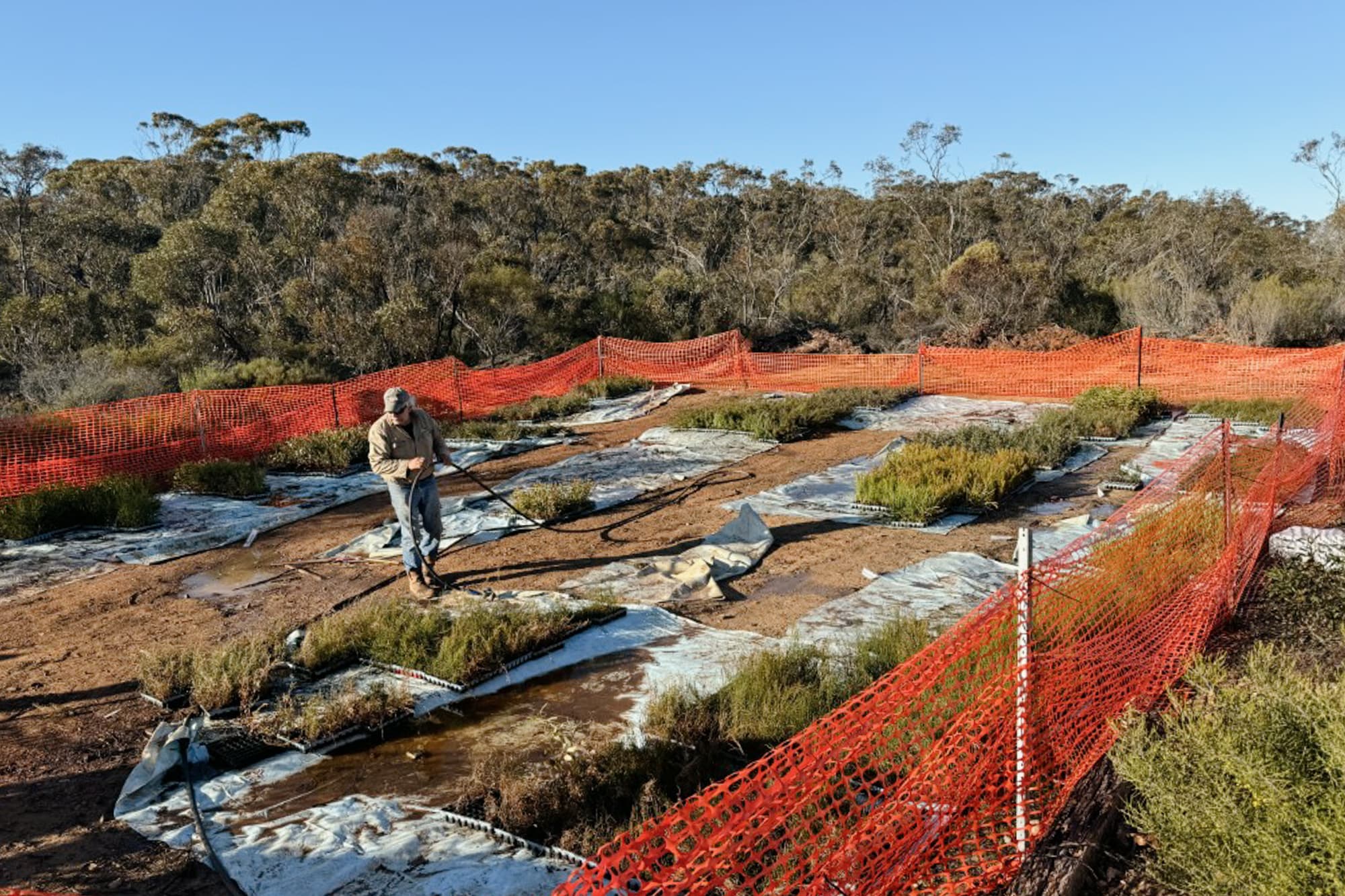
A total of 6,610 trees have been supported! The project collects seed from endemic species found in the immediate vicinity of the property. That seed is then processed, propagated, and planted — to restore the bush as closely as possible to its original condition. As much as possible, implementation activities are carried out by members of the local Wudjari community.

Some species planted include:

  • Acacia accuminata (Raspberry Jam Wattle)
  • Daviesia aphylla (Naked Hop-bush)
  • Daviesia articulata (Wedge-leaf Hop-bush)
  • Disphyma crassifolium (Rounded Noonflower)
  • Eucalyptus pileata (Round-leaved Mallee)
Oct 2026
Economic opportunities for the Esperance-Tjaltraak community

Economic opportunities for the Esperance-Tjaltraak community

A central goal of Rejuvenation Trees is to support economic self-determination for First Nations people through land ownership, employment, and the creation of sustainable income streams. By restoring and managing their own land, the Esperance-Tjaltraak community can generate long-term economic opportunities through restoration activities, carbon markets, and regenerative agriculture, ensuring that wealth generated from the land remains within the community.

The project also provides employment and training opportunities for local Wudjari people through restoration work, nursery operations, and land management activities. Building capability and capacity within the community is a critical component of the program, empowering participants with the skills and knowledge needed to lead restoration efforts and manage Country over the long term.

Benefits

Climate

Healthier soils and native vegetation improve water retention and landscape resilience to climate extremes such as drought. By restoring ecosystems adapted to local conditions, the project delivers long-term, nature-based climate solutions that also support sustainable land use into the future.

Nature

Reforestation of the Kardutjaanup site restores native ecosystems in one of the world’s most important biodiversity hotspots. By planting endemic species and reconnecting fragmented habitats, the project supports plant and animal species found nowhere else on Earth. Restoring degraded farmland improves soil health, groundwater systems, and ecological connectivity, helping native vegetation and wildlife recover across Southwestern Western Australia.

People

Through land ownership, employment, and training as Tjaltjraak Rangers, the initiative creates stable livelihoods, supports home ownership, and builds long-term generational wealth. By placing leadership and implementation in the hands of the local First Nations community, the project strengthens cultural identity, skills, and community wellbeing.

SDGs supported

Quality Education

The project embeds skills development and intergenerational knowledge transfer by training Wudjari community members as land stewards and Rangers, strengthening both formal and cultural education pathways.

Decent Work and Economic Growth

By creating long-term employment in restoration, regenerative agriculture, and land management, the initiative supports sustainable livelihoods and economic self-determination for First Nations communities.

Reduced Inequalities

The project directly addresses historical inequities by restoring access to Country, decision-making power, and economic opportunity for the Wudjari people.

Sustainable Cities and Communities

The project strengthens community resilience by enabling stable housing, employment, and culturally grounded land management, supporting the long-term sustainability of regional First Nations communities.

Responsible Consumption and Production

The initiative promotes sustainable land use practices that reduce environmental harm and restore soil and water health.

Climate Action

Restoring vegetation to this landscape will lock up carbon from the atmosphere.

Life on Land

By reforesting cleared land with endemic species in a global biodiversity hotspot, the project restores fragmented habitats, protects irreplaceable flora and fauna, and strengthens ecosystem integrity.

Verification

These partners help deliver the project and verify its impact.

Suppliers

One Tree Planted
One Tree Planted

One Tree Planted is an environmental non-profit dedicated to planting trees around the world to support healthy forests, biodiversity, & local communities.