Reforestation

Community woodland restoration in Ealing, UK

Community woodland restoration in Ealing, UK

Why support this project?

This project transforms two underused urban sites in Ealing into thriving woodland habitats while delivering direct benefits to students, local communities, and the environment. By planting 4,000 native trees across Springhallow School and Pear Tree Park, the project creates a living classroom for SEND learners, restores vital habitat along the River Brent, and builds long-term community stewardship. It is a practical, people-centred approach to urban reforestation that delivers measurable climate, nature, and social impact.

Why plant trees?

Reforestation replants trees on land hit by natural or human disturbance. It restores forest structure and canopy, protects biodiversity and watersheds, and promotes carbon sequestration.

Project summary

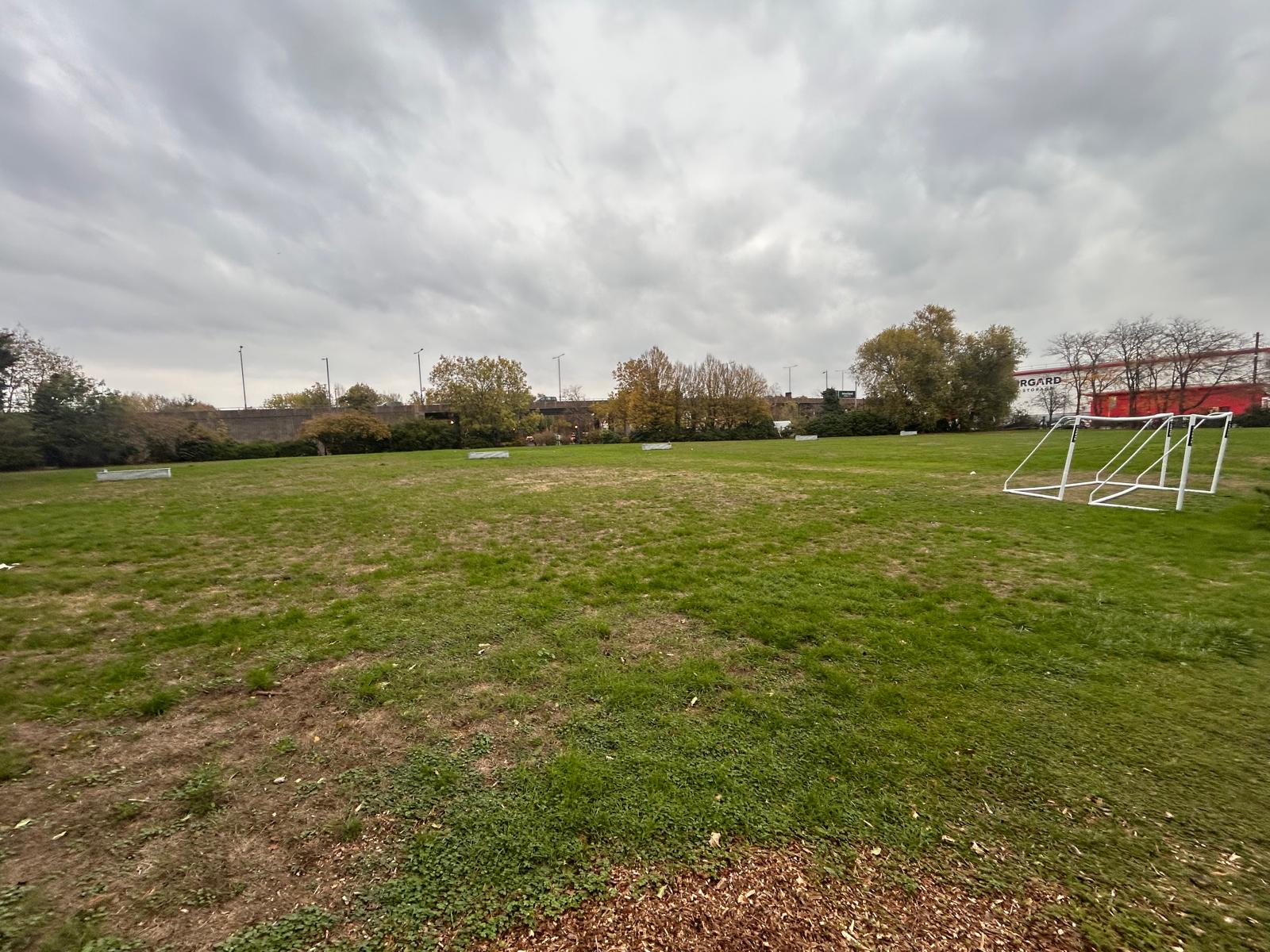
The project spans two neighbouring sites in Ealing: Springhallow School, a post-16 college for SEND students, and Pear Tree Park, a large former council-run golf course now being restored for wildlife. Collectively, the sites will see the planting of 4,000 trees. While situated in different contexts, both are part of the broader restoration of the Brent Valley and are maintained and managed by Ealing Borough Council. Both projects leverage local groups of young people to take part in the planting of native species to enhance local wildlife.

At Springhallow, 2,500 trees will be planted directly adjacent to the A40 to create a woodland screen that reduces pollution, creates a visual barrier from the motorway, and provides more privacy for the school. These trees will be largely planted by the students, giving them valuable and rewarding experience in outdoor work.

At Pear Tree Park, 1,500 trees will be planted to add to planting that occurred on the site two years ago, creating an additional 0.8 hectares of woodland on the banks of the River Brent. This will eventually link up with existing woodland and riparian trees to form a continuous habitat corridor.

The team at the Royal Botanic Gardens, Kew has advised on species selection, including a small trial of non-native species to assess survivability under extreme summer heat. All primary species are native to the UK, and a minimum 85% survival rate is expected.

Locations

United Kingdom

Benefits

Climate

The establishment of 4,000 trees across the two sites will deliver long-term carbon sequestration as the woodland matures. By increasing canopy cover in an urban setting, the project also helps mitigate the urban heat island effect and improves local air quality — particularly at Springhallow School, where the new woodland screen will sit directly between the college and the pollution-heavy A40. Species have been selected for their suitability to local conditions and for resilience to heat and drought, ensuring the woodland remains a carbon sink even as climate conditions change.

Nature

This project restores degraded mowed grass and public park land into diverse, multi-layered woodland habitat. At Pear Tree Park, the new 0.8-hectares of planting will eventually connect with existing woodland and riparian trees to form a continuous habitat corridor along the River Brent, significantly expanding usable habitat for wildlife. Over 20 native UK species — including oak, lime, hazel, willow, rowan, and hawthorn — will be planted, supporting a wide range of flora and fauna. The project expects a minimum 85% survival rate and includes ongoing monitoring, maintenance, and replacement of any trees that fail to establish.

People

At its heart, this is a community-led project. At Springhallow School, SEND students will play a hands-on role in planting the 2,500 trees, gaining valuable outdoor work experience and a sense of ownership over the new woodland. At Pear Tree Park, local volunteers — including those who helped with the first planting phase in 2024 — will continue to maintain and steward the site. The project creates stronger community ties, improves visual amenity and privacy for students and residents, and delivers tangible air quality benefits near the A40. With expert support from Ealing Borough Council and Royal Botanic Gardens, Kew, the project ensures both environmental and social outcomes are delivered sustainably over the long term.

SDGs supported

Climate Action

Planting 4,000 native trees across Springhallow School and Pear Tree Park will build long-term carbon sequestration as the woodland matures. Increased canopy cover in an urban setting also helps reduce the urban heat island effect, while the woodland screen beside the A40 improves local air quality. Species have been chosen for heat and drought resilience, so the woodland should keep functioning as a carbon sink under a changing climate. The project also supports climate adaptation by involving young people and the wider community in hands-on climate action.

Life on Land

The project converts mowed grass and underused public land into diverse, multi-layered woodland. At Pear Tree Park, 0.8 hectares of new planting will eventually link with existing woodland and riparian trees to form a continuous habitat corridor along the River Brent. More than 20 native UK species, including oak, lime, hazel, willow, rowan and hawthorn, will support a wide range of flora and fauna.

Verification

These partners help deliver the project and verify its impact.

Suppliers

International Tree Foundation

International Tree Foundation is a charity working with local communities to plant trees and restore forests in places where, together, we can make the fastest, most lasting impact for communities and the future of our planet.