Reforestation

Reforestation in Mwanza, Tanzania

Reforestation in Mwanza, Tanzania

Why plant trees?

Reforestation replants trees on land hit by natural or human disturbance. It restores forest structure and canopy, protects biodiversity and watersheds, and promotes carbon sequestration.

Project summary

Trees for the Future (TREES), an international agroforestry nonprofit, and the Tanzanian Ministry of Agriculture Training Institute (MATI) have launched a five-year initiative to deliver land- and life-changing agroforestry training to 5,400 farmers across Mwanza, Singida, and Tabora Regions.

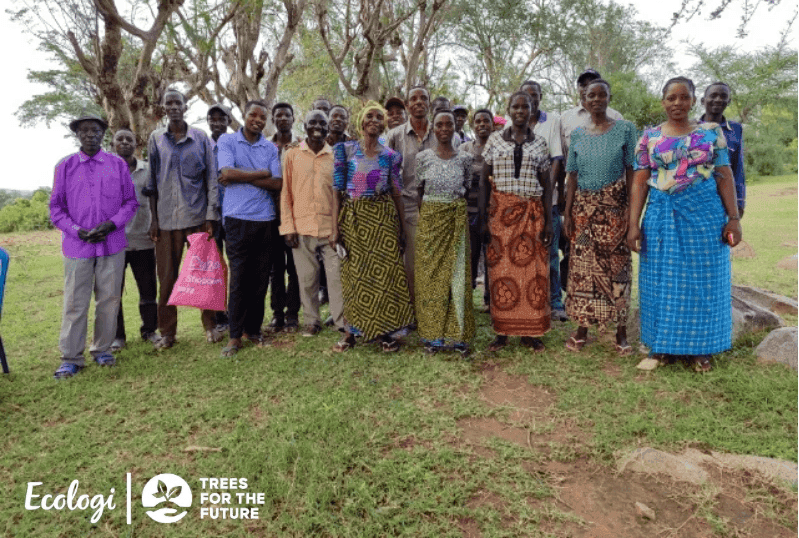
 The partnership was formally announced on 12 December during a Memorandum of Understanding signing and training event held at the Regency Hotel Hall in Singida, where 24 Regional and District Agricultural Officers participated in the inaugural session. 

Together, TREES and MATI will strengthen institutional capacity, embed climate-smart agriculture within regional extension systems, and support thousands of farmers in building productive, regenerative, and resilient farming systems.

The project equips farmers with proven agroforestry and climate-smart agriculture practices through TREES’ Forest Garden Approach. By planting thousands of trees and a diverse mix of crops, participating farmers will restore degraded land, increase climate resilience, and significantly improve food security and household income.

Case Study

In the remote Magu District, in the village of Kinango, Tanzania, subsistence farmers have long struggled with unpredictable weather and years of land degradation that threaten their livelihoods. 

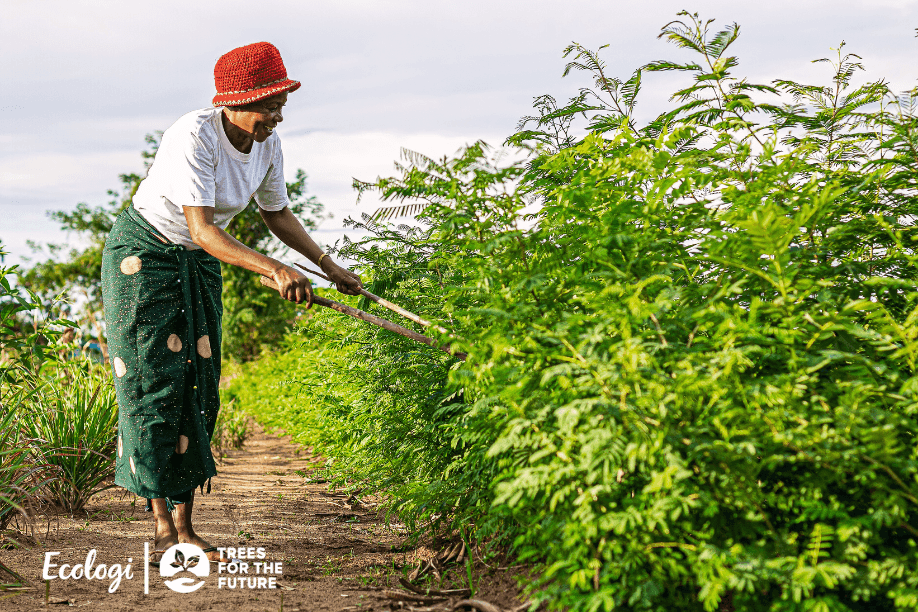
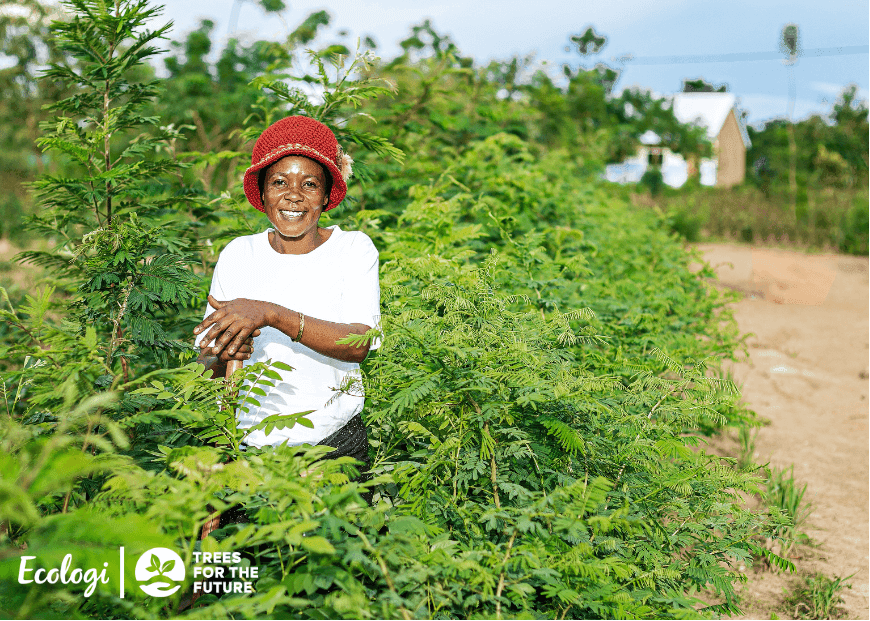
However, with training, seedling management, and mentorship from Trees for the Future, a farmer called Abeli began applying forest garden techniques. Abeli has planted more than 2,000 trees, including fast-growing species that now form a living green barrier around his farm. This natural fence protects his crops and young trees from grazing animals—something he had been unable to achieve for years.

Within this newly protected space, Abeli has also planted nitrogen-fixing species such as gliricidia and pigeon pea, along with fruit trees like papaya and mango, and a variety of vegetables to restore soil fertility and moisture. What was once cracked, exhausted earth has become soft, mulched soil rich with organic matter. 

Today, Abeli’s family enjoys a regular harvest of nutritious vegetables, including spinach, onions, and okra, which provide a reliable food source for their household. While increased income remains a future goal, the first major success has been environmental recovery. Soil erosion on his land has dropped dramatically, marking a powerful step toward long-term resilience.

Read more about this story here.

Locations

Tanzania

Timeline

Follow the latest milestones and updates from this project.

Farmer Abeli’s story

Trees for the Future (TREES) is already partnering with 1,280 farming families in Mwanza to restore their land and strengthen livelihoods through their regenerative agroforestry approach. Through TREES’ agroforestry approach, Abeli began restoring his farm with diverse crops and trees that protect the soil and provide food throughout the year. Today, his land is more resilient, erosion has drastically reduced, and his family now enjoys a steady harvest of nutritious food from their own garden.

Over 400 farmers supported in Tanzania

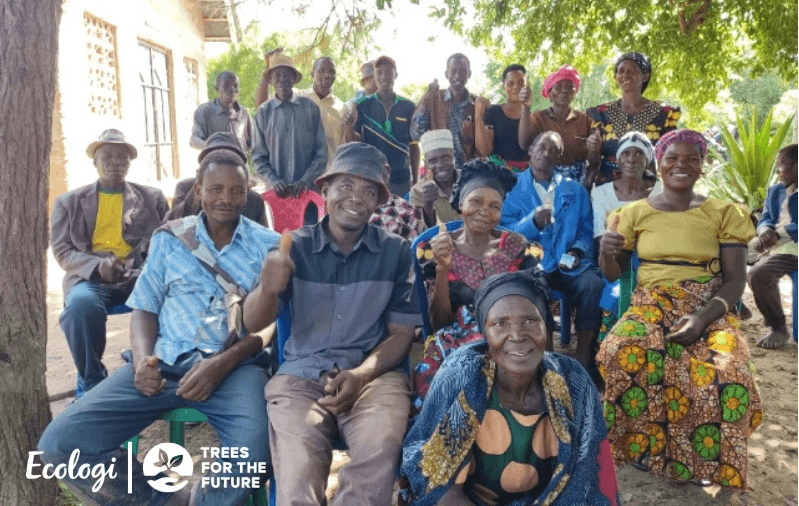
The 427 farmers on this project support 3282 beneficiaries. Since its inception in 2024, the farmers on this project have planted 1,228,835 trees so far!

Mwanza 1

All the nurseries have now been established, and the seedlings have been growing in their controlled environment. The planting season should start in a few weeks, with April typically being the wettest month.

Benefits

Climate

By planting trees and adopting climate-smart practices, farmers help capture carbon, reduce land degradation, and protect their farms from drought, floods, and extreme weather. The project strengthens climate resilience while contributing to long-term climate mitigation.

Nature

Through the establishment of Forest Gardens, degraded land is restored with thousands of trees and dozens of plant species. This increases soil health, boosts biodiversity, reduces erosion, and creates more productive, regenerative landscapes that support thriving local ecosystems.

People

The project improves food security and household income for 5,400 farming families by teaching sustainable practices that increase crop yields and diversify production. With stronger livelihoods and more reliable harvests, communities gain greater economic stability and long-term resilience.

SDGs supported

Climate Action

By planting trees and adopting climate-smart practices, farmers help capture carbon, reduce land degradation, and protect their farms from drought, floods, and extreme weather.

Life on Land

Within this newly protected space, farmers have been able to plant nitrogen-fixing species such as gliricidia and pigeon pea, along with fruit trees like papaya and mango, and a variety of vegetables to restore soil fertility and moisture. What was once cracked, exhausted earth has become soft, mulched soil rich with organic matter.

Verification

These partners help deliver the project and verify its impact.

Suppliers

Trees For The Future

Trees for the Future is a nonprofit organisation focused on land restoration in developing communities around the world.