

Habitat restoration
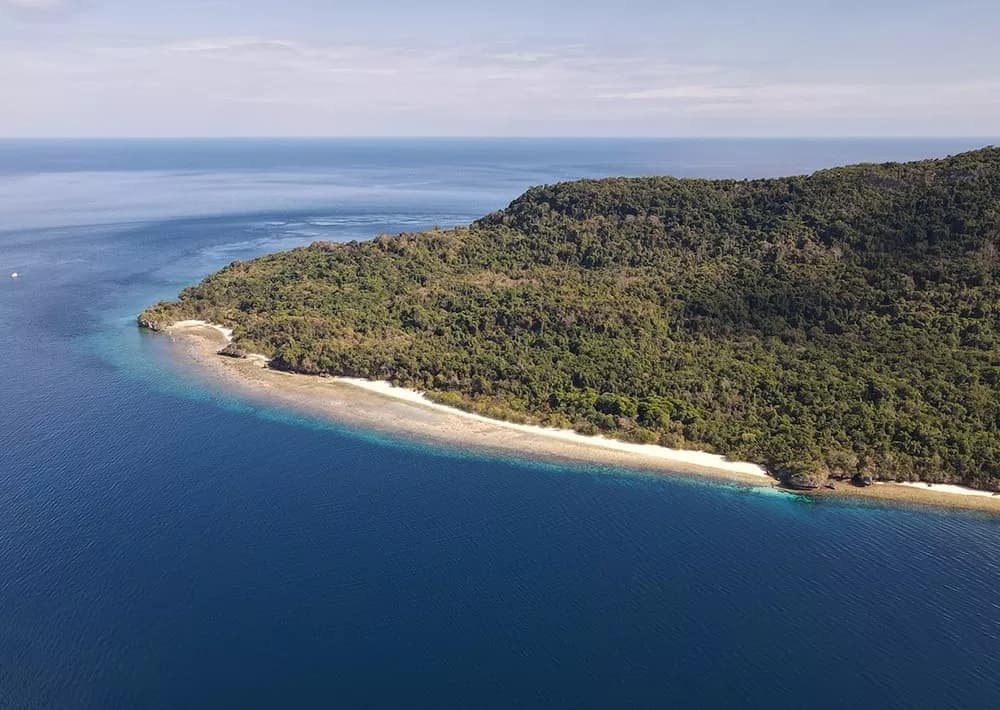
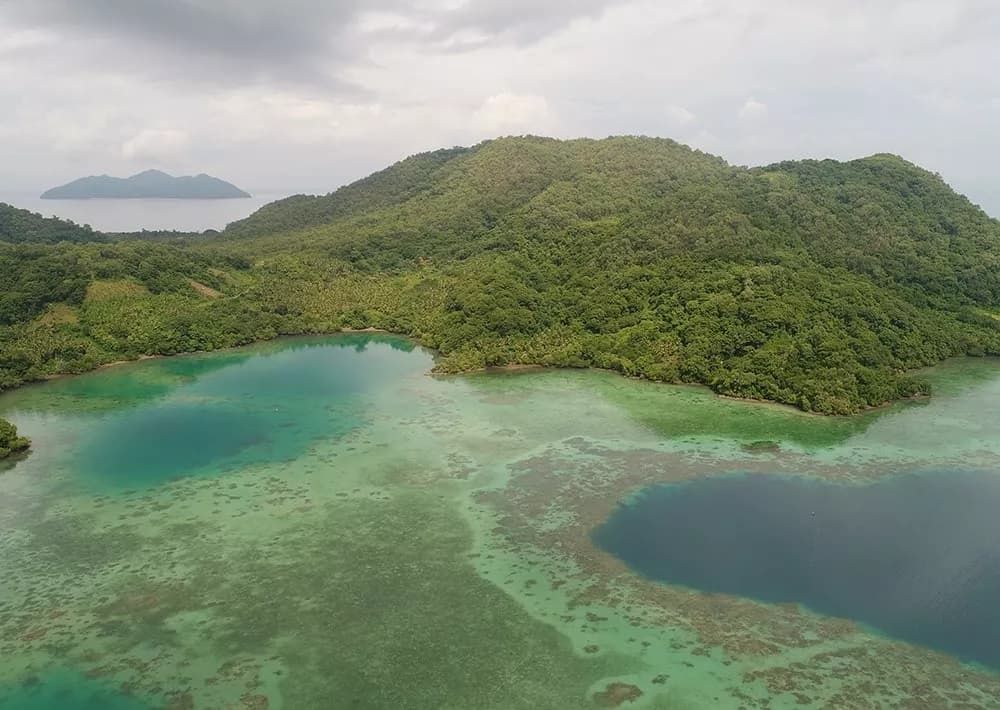
Protecting the coral triangle in Indonesia
Overview
Site
Benefits
Verification
Protecting and restoring marine habitats is a powerful tool in the fight against climate change. Oceans absorb over 30% of the world’s carbon dioxide, and ecosystems like mangroves, seagrass beds, and coral reefs store carbon at exceptional rates. By preserving these habitats, we enhance the ocean’s ability to regulate the climate while also protecting coastal communities from storms and erosion. Without them, we risk accelerating global warming and losing natural defenses against its worst impacts.
For people, marine habitats are vital for survival and prosperity. Over 3 billion individuals rely on seafood as a primary protein source, while millions depend on fisheries for their livelihoods. Coastal and island communities, especially Indigenous groups, also depend on these ecosystems for cultural identity and traditional practices. Protecting marine habitats ensures food security, economic stability, and the preservation of heritage for future generations.
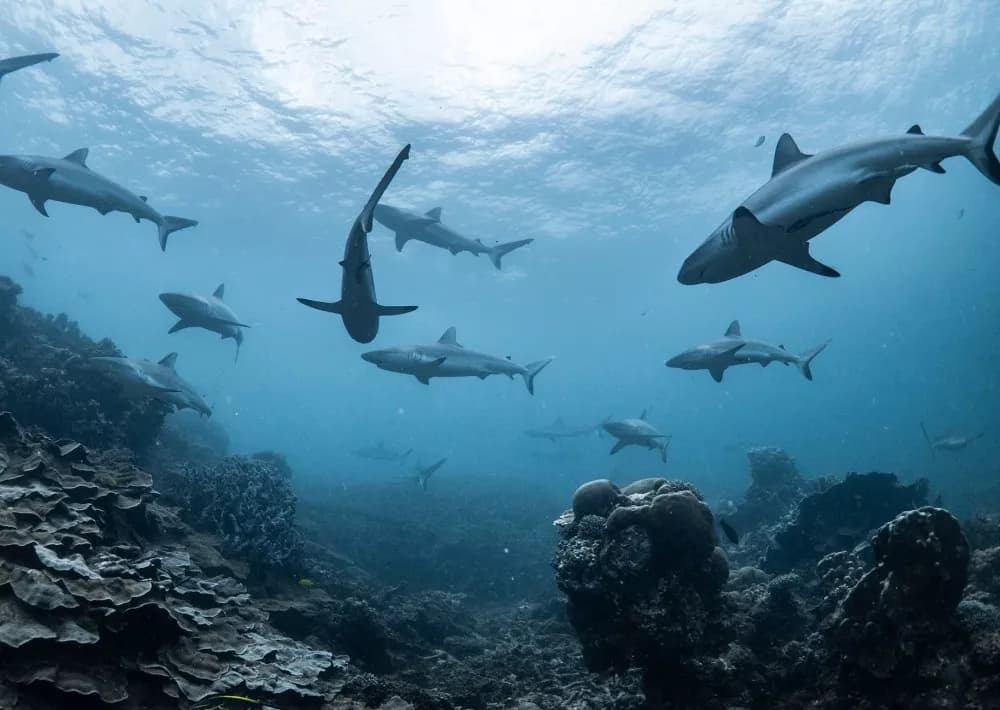
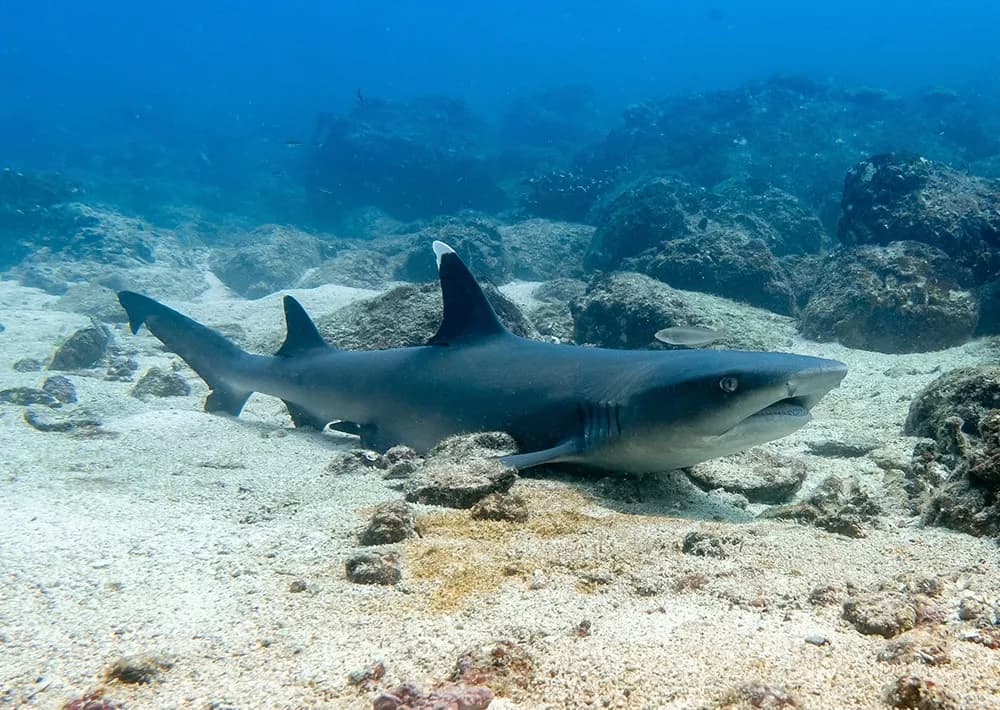
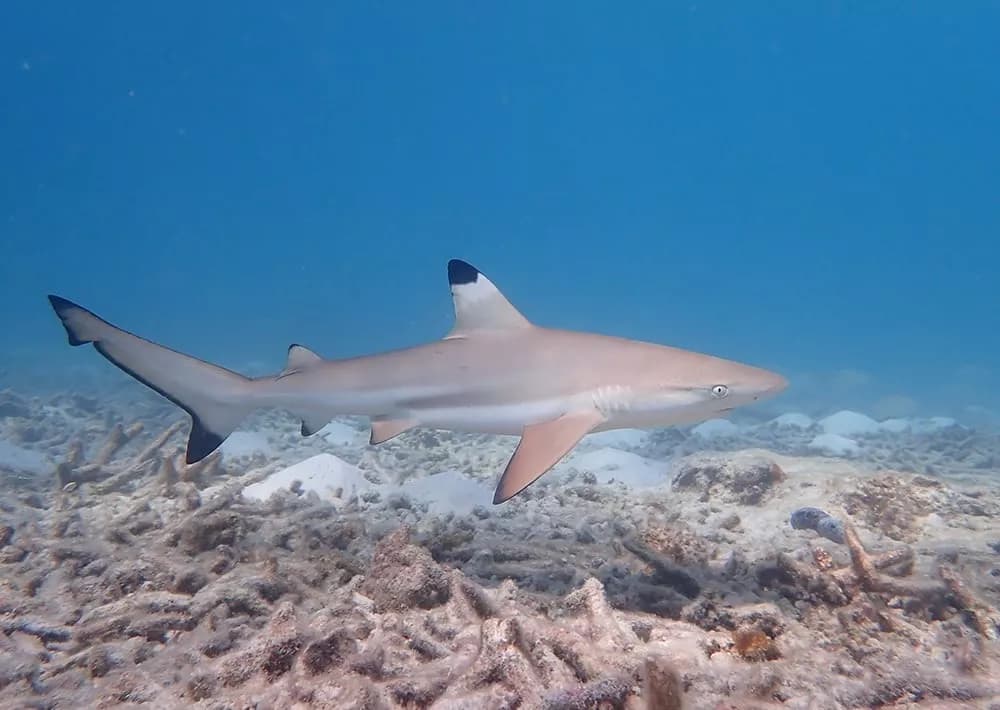
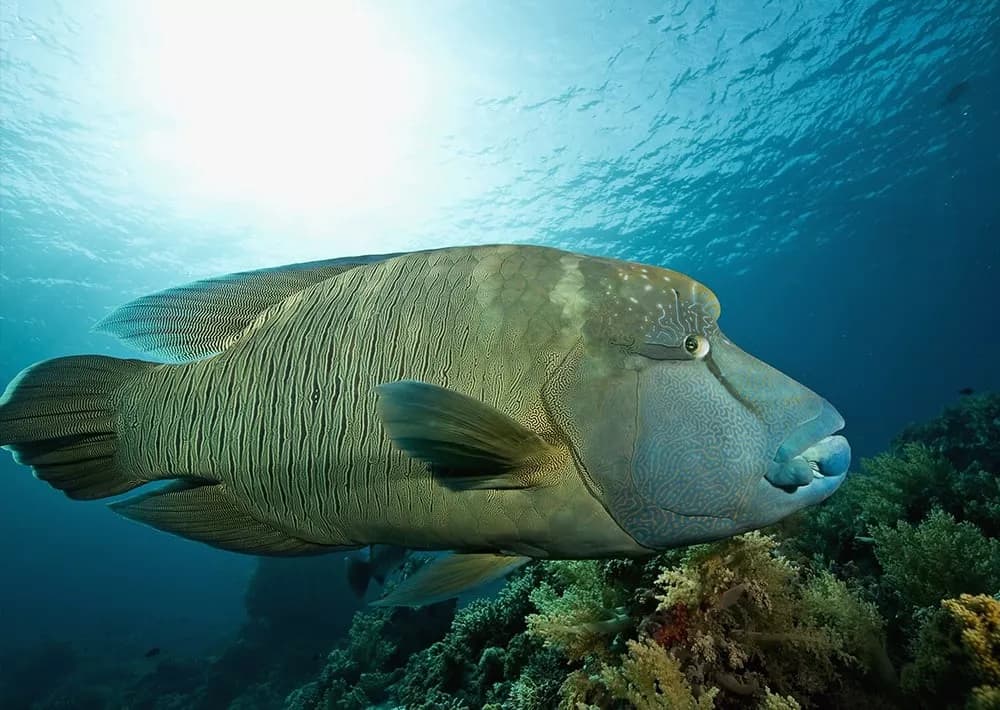
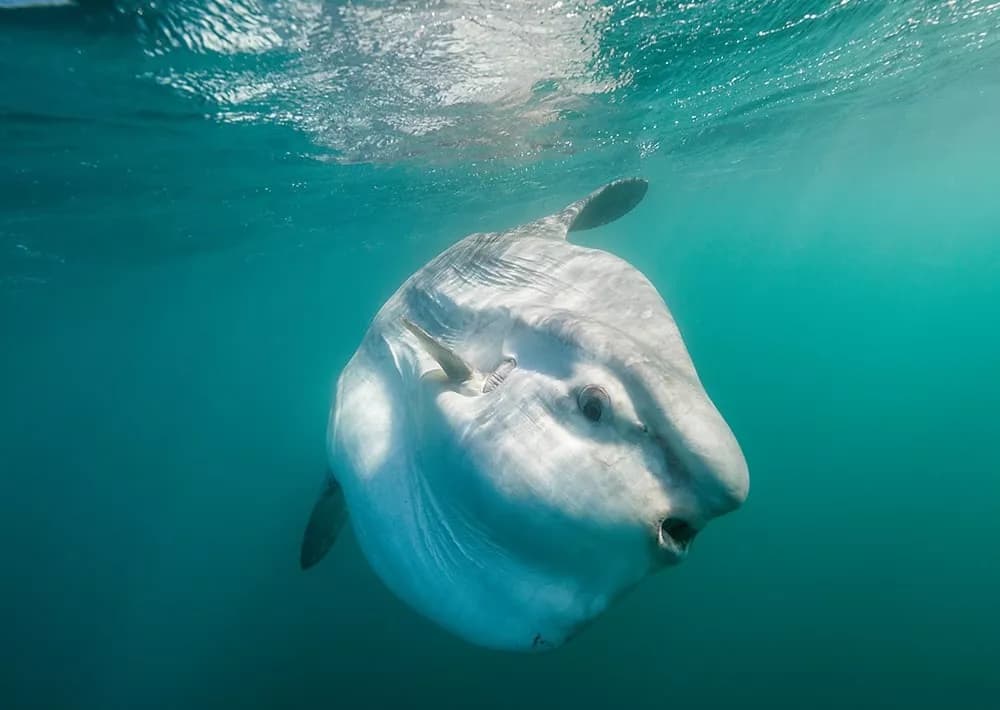
Nature benefits immensely from healthy marine ecosystems. Coral reefs, seagrass meadows, and kelp forests support a quarter of all marine species, providing shelter and food for creatures from tiny plankton to large predators. Restoring degraded habitats revives biodiversity, improves water quality, and strengthens ecosystems against environmental pressures. In doing so, we safeguard the intricate relationships that sustain life in the ocean and, ultimately, on Earth.
Marine protected areas (MPAs) are vital tools for safeguarding ocean health, biodiversity, and the services these ecosystems provide to humanity. By restricting harmful activities like overfishing, destructive fishing practices, and coastal development, MPAs allow marine life to recover, fish populations to replenish, and habitats like coral reefs, seagrass beds, and deep-sea ecosystems to thrive. Newly established MPAs can enhance climate resilience by protecting carbon-rich habitats such as mangroves and seagrasses, which store carbon at rates far exceeding those of terrestrial forests. Additionally, MPAs support sustainable fisheries, boost local economies through eco-tourism, and preserve cultural heritage for coastal communities. Expanding global MPA coverage is a key step toward achieving international biodiversity targets, ensuring the ocean’s ability to sustain both nature and people in the face of climate change and growing human pressures.
Ecologi is supporting the creation of MPAs in partnership with Rainforest Trust. Find out more about this project here.
Locations
Indonesia
Benefits
Marine habitats like mangroves and coral reefs act as natural climate regulators by absorbing carbon dioxide and protecting coasts from extreme weather, making their protection critical for slowing global warming. MPAs help combat climate change by protecting and restoring carbon-rich habitats like mangroves and seagrass beds, which store vast amounts of carbon dioxide and enhance the ocean’s resilience to warming.
Sustainable development goals
These Sustainable Development Goals show the wider outcomes this project supports beyond its headline impact.


Verification
These partners help deliver the project and verify its impact.
Supplier

Rainforest Trust
Rainforest Trust saves endangered wildlife and protects our planet by creating rainforest reserves through partnerships, community engagement and community support.