Why support rainforest protection?
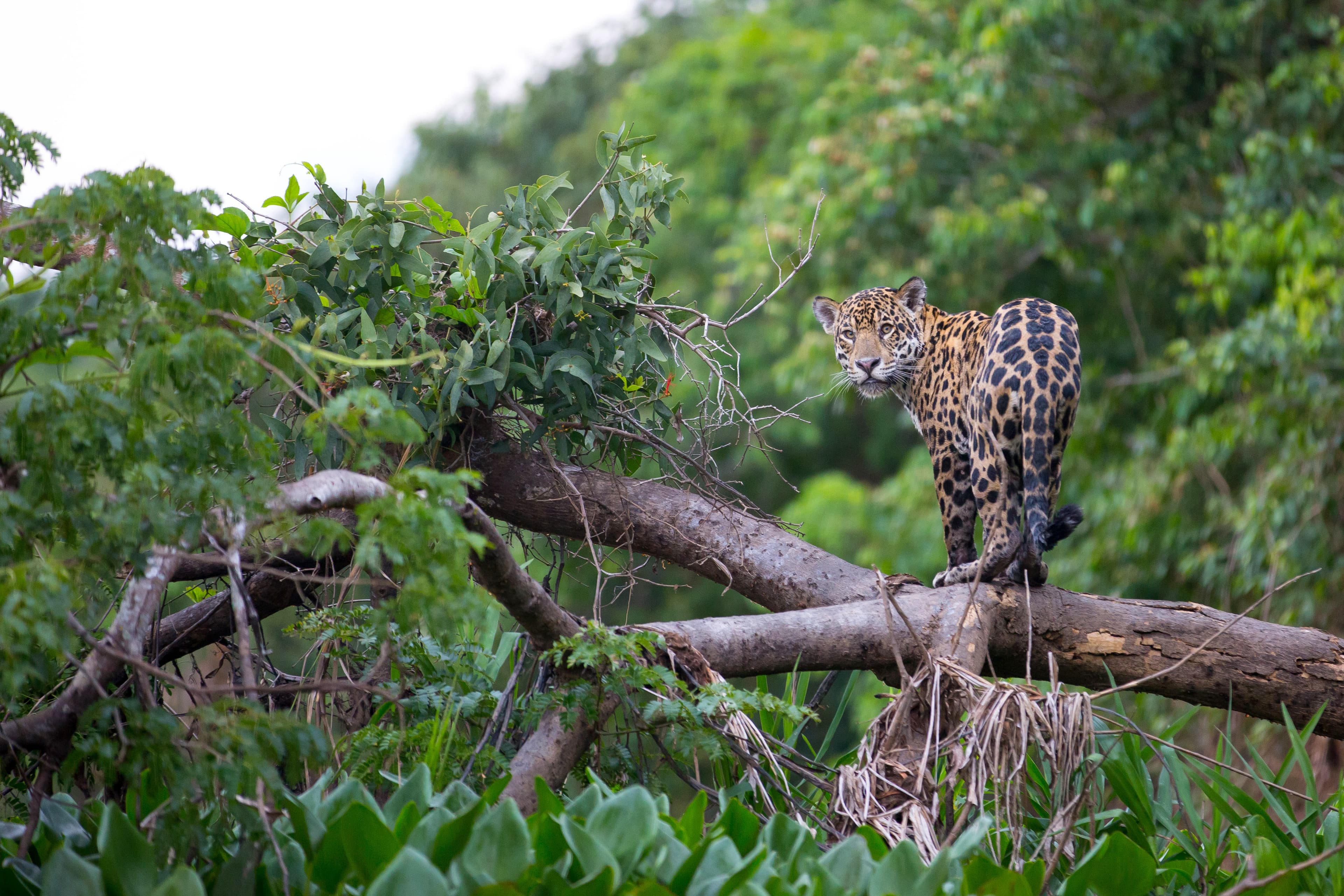
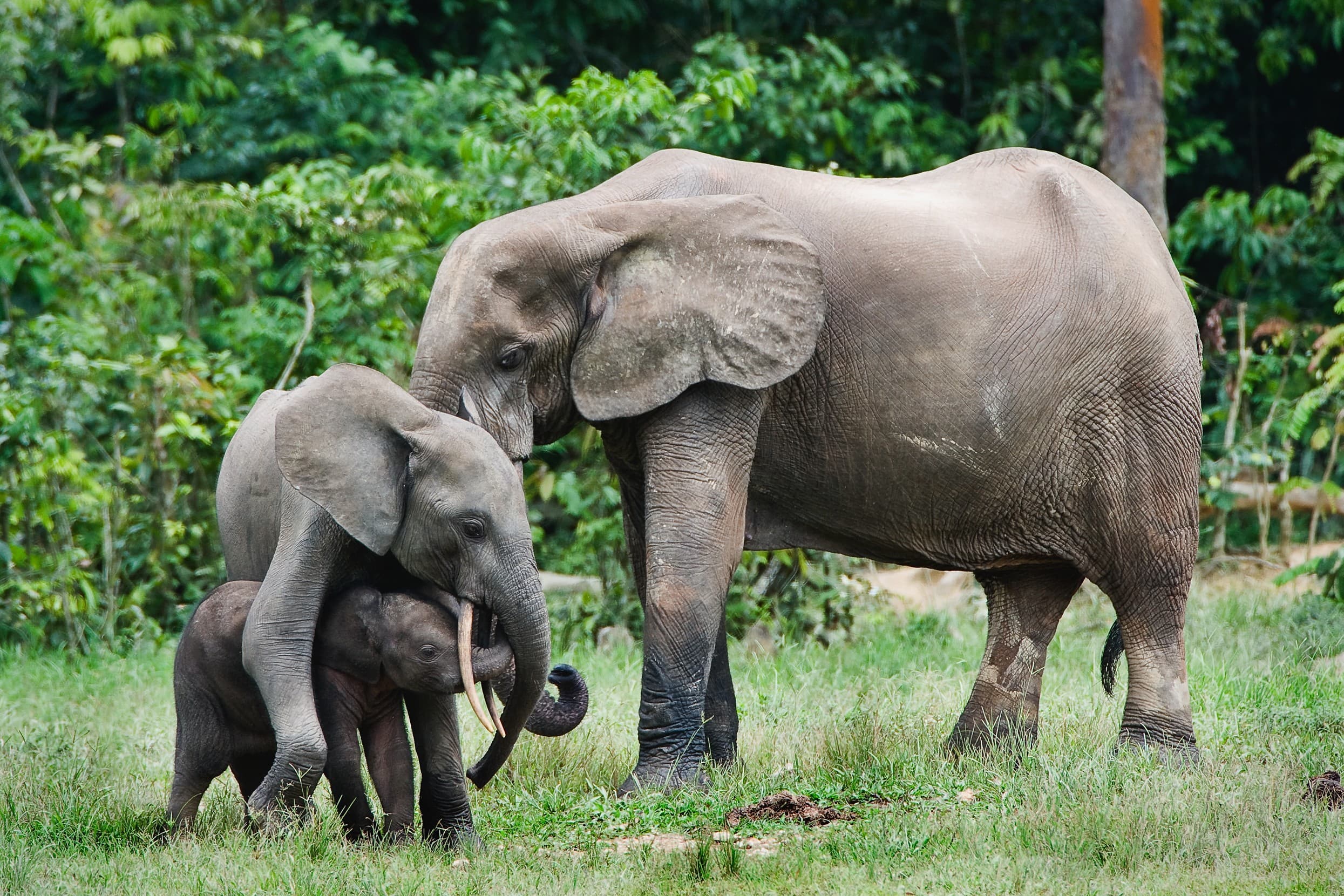
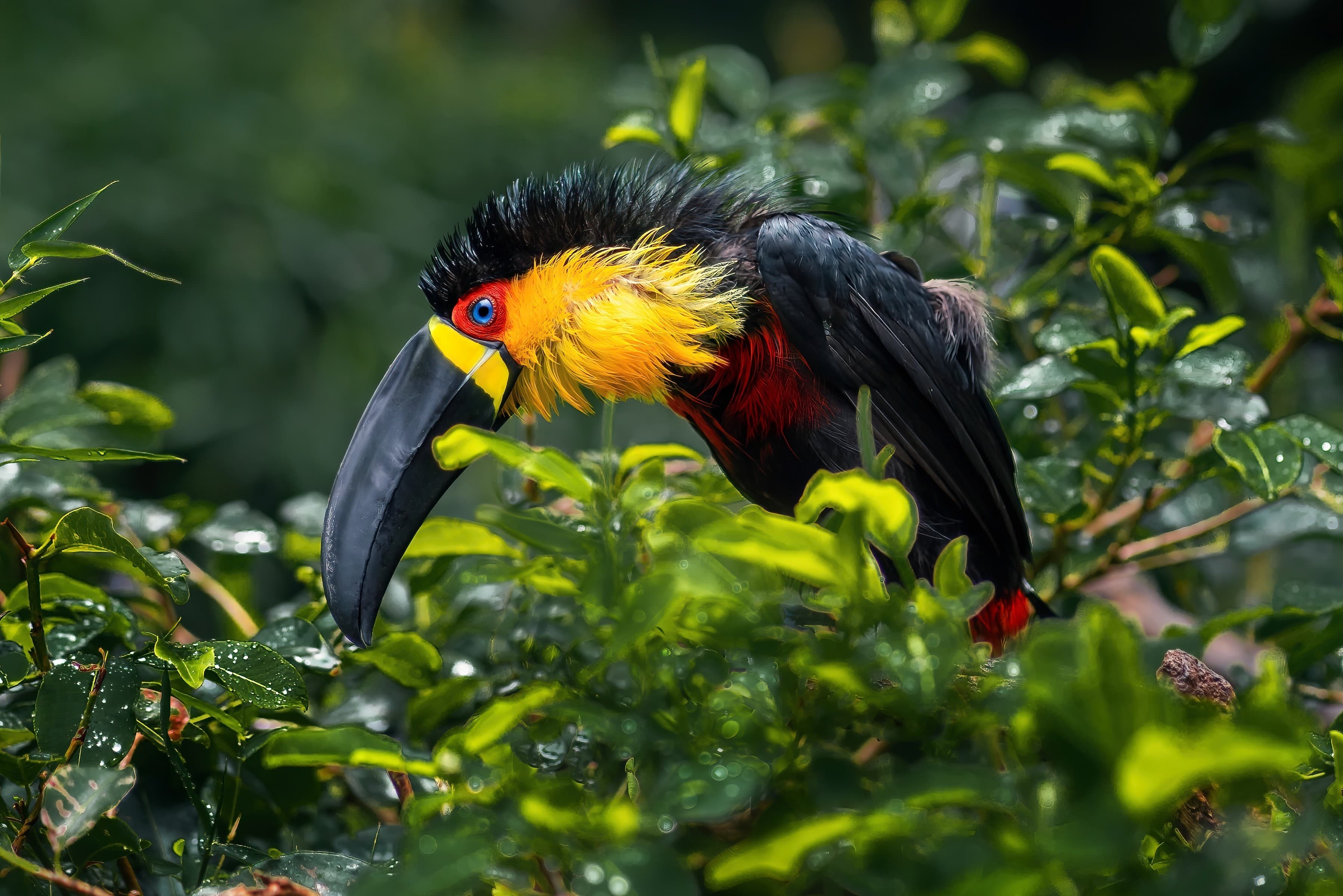
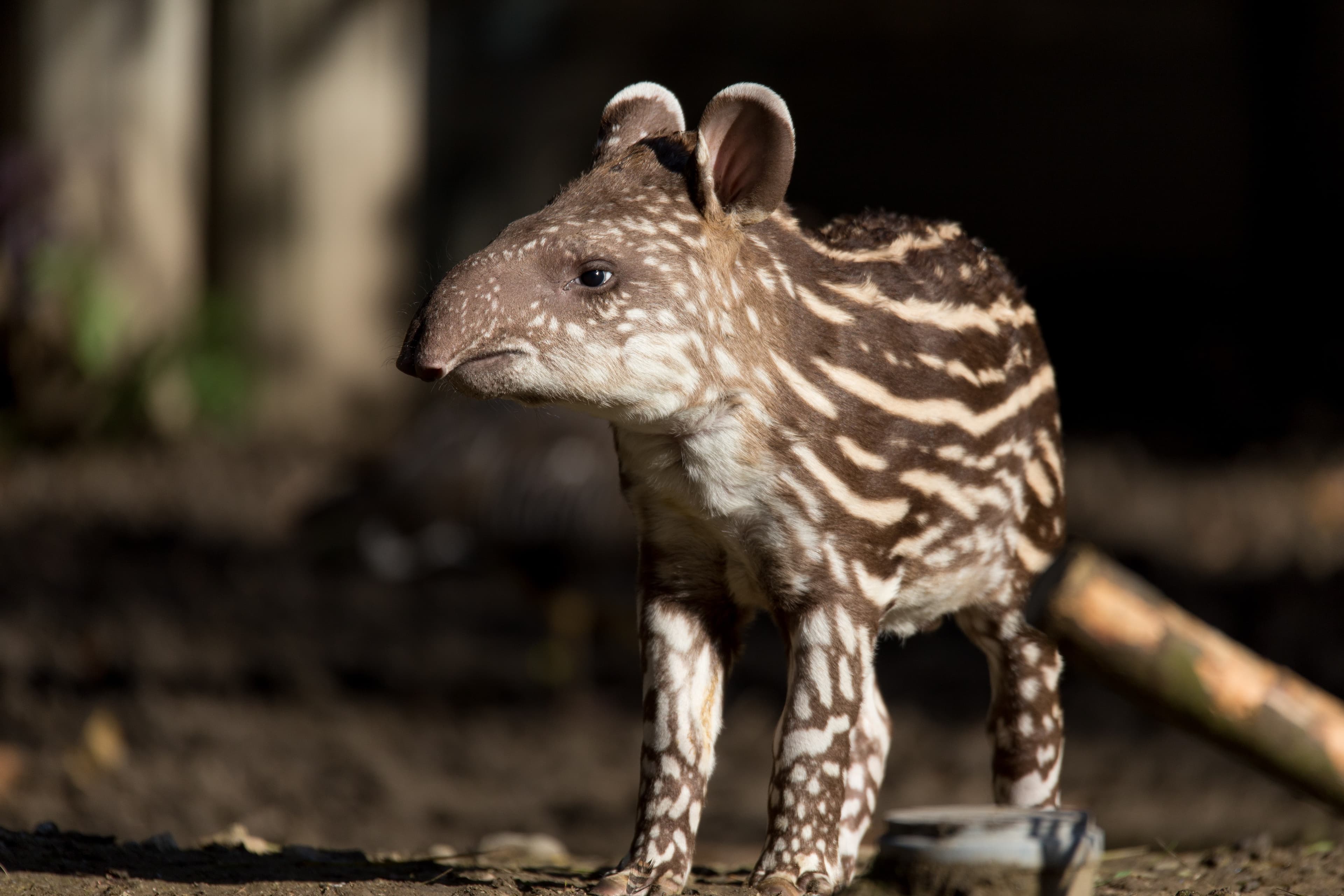
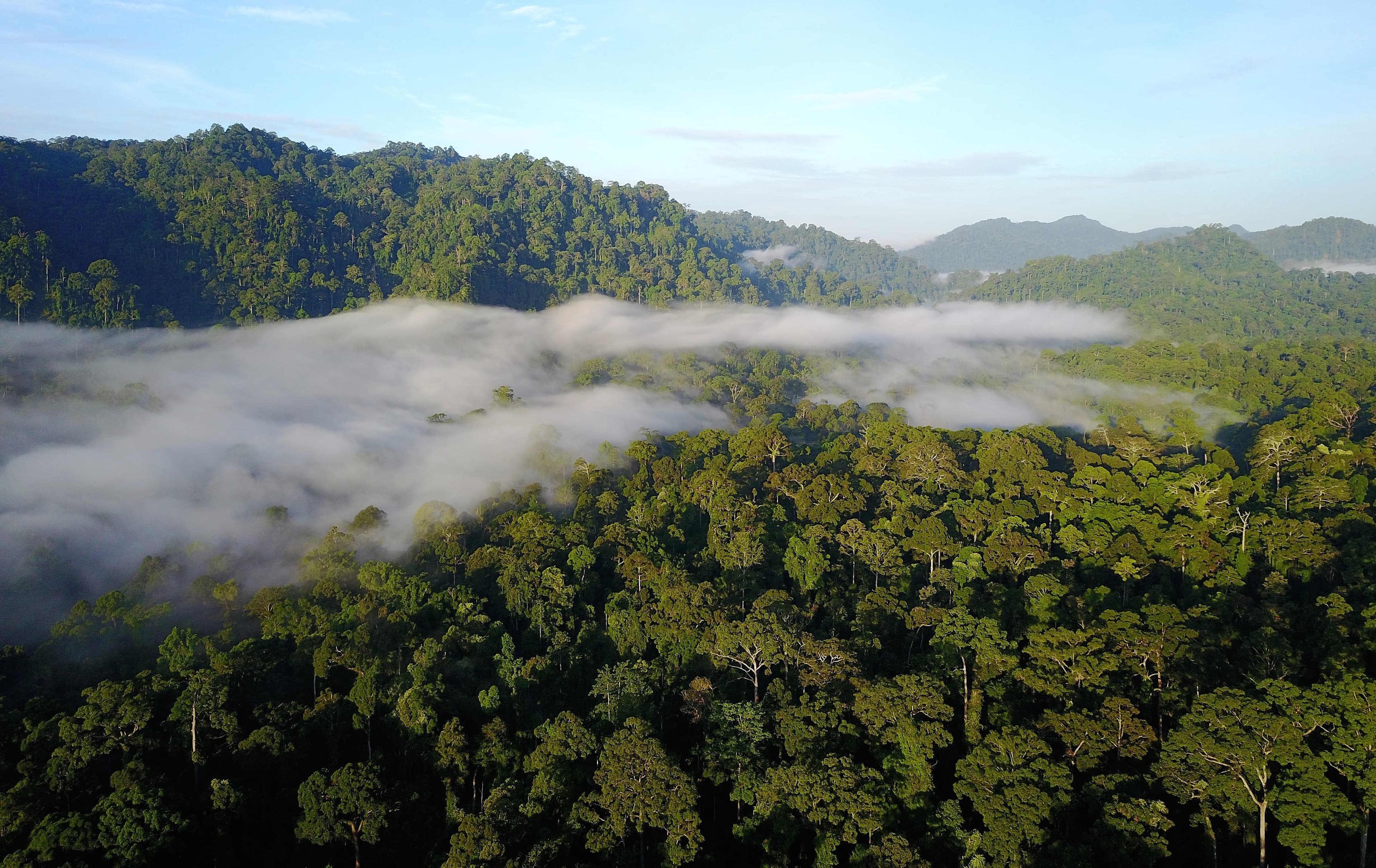
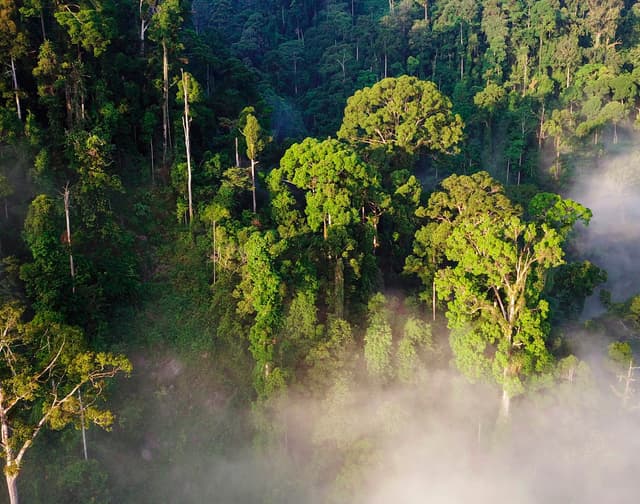
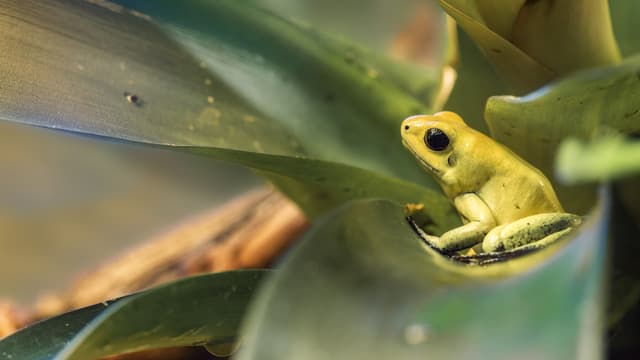
Tropical forests are biodiversity hotspots, providing habitat for half of the global species population and 80% of terrestrial wildlife.
Rainforests exchange carbon dioxide and oxygen, recycle rainwater, and cool the climate, supporting life as we know it across the planet. It will be impossible to curb global warming without saving tropical forests. If deforestation were a country, it would be the third largest emitter of greenhouse gases after China and the United States.
Millions of Indigenous people also depend on forests for their survival, and the livelihoods of over a billion people rely on rainforest resources.
An acre of rainforest is destroyed every 3 seconds — that’s an area of forest the size of Bristol wiped out every day.
Tropical deforestation is responsible for up to 15% of all greenhouse gas emissions, which drive climate change, and is also the primary cause of biodiversity loss. A million species are at risk of extinction this century, each unique and irreplaceable.
That’s why we’ve chosen to take action to save the planet’s tropical forests, preserve the lungs of the planet and allow nature to thrive.
The Rainforest Climate Action Fund
The Rainforest Climate Action Fund supports a range of projects around the world, directing funding to where it is most needed. It focuses on 3 types of forests:
- Frontier forests - These are forests that massively reduce carbon emissions in the immediate future because they protect forest in imminent danger of destruction-a so-called "frontier" providing a protective barrier, keeping dense forest intact.
- Super-sequesters - Forests inundated by water are particularly efficient sequesters because the water blocks the oxygen required for carbon-releasing decomposition. These include flooded forests, swamp forests, peat forests and mangroves.
- Carbon vaults - These forests lock up carbon in large, tall, intact hardwoods in perpetuity for a reasonable cost. These large trees store vast amounts of carbon in their wood, roots and soil, preventing the release of huge amounts of carbon.
How are project areas protected?
By working with local partners and local communities, the funding provided through the Rainforest Climate Action Fund helps to protect forests in the best way for the specific location. In many places, this is by assisting Indigenous communities to gain legal rights over their ancestral land. With the support of local partners, this is often the very best way to sustainably protect forests. In other areas, project areas are designated official protected areas to ensure their long-term protection.
What projects are currently being supported by the RCAF?
Build Connectivity for Endangered Wildlife in the Congo Rainforest - Democratic Republic of Congo
This project is protecting over 120,000 hectares, safeguarding 36.5 million tonnes of CO2e - equivalent to the annual electricity demands of 15.9 million homes
Hold the Line Against Agribusiness in the Bolivian Amazon - Bolivia
This project is protecting over 800,000 hectares of rainforest
Expand Africa’s Premier Green Sea Turtle Sanctuary - off the coast of Guinea-Bissau
This project is protecting over 133,000 hectares - the majority of the Bijagós Archipelago