
Spring 2027
Target date for the planting of the 4-row boundary shelterbelt and mid-field roundels.
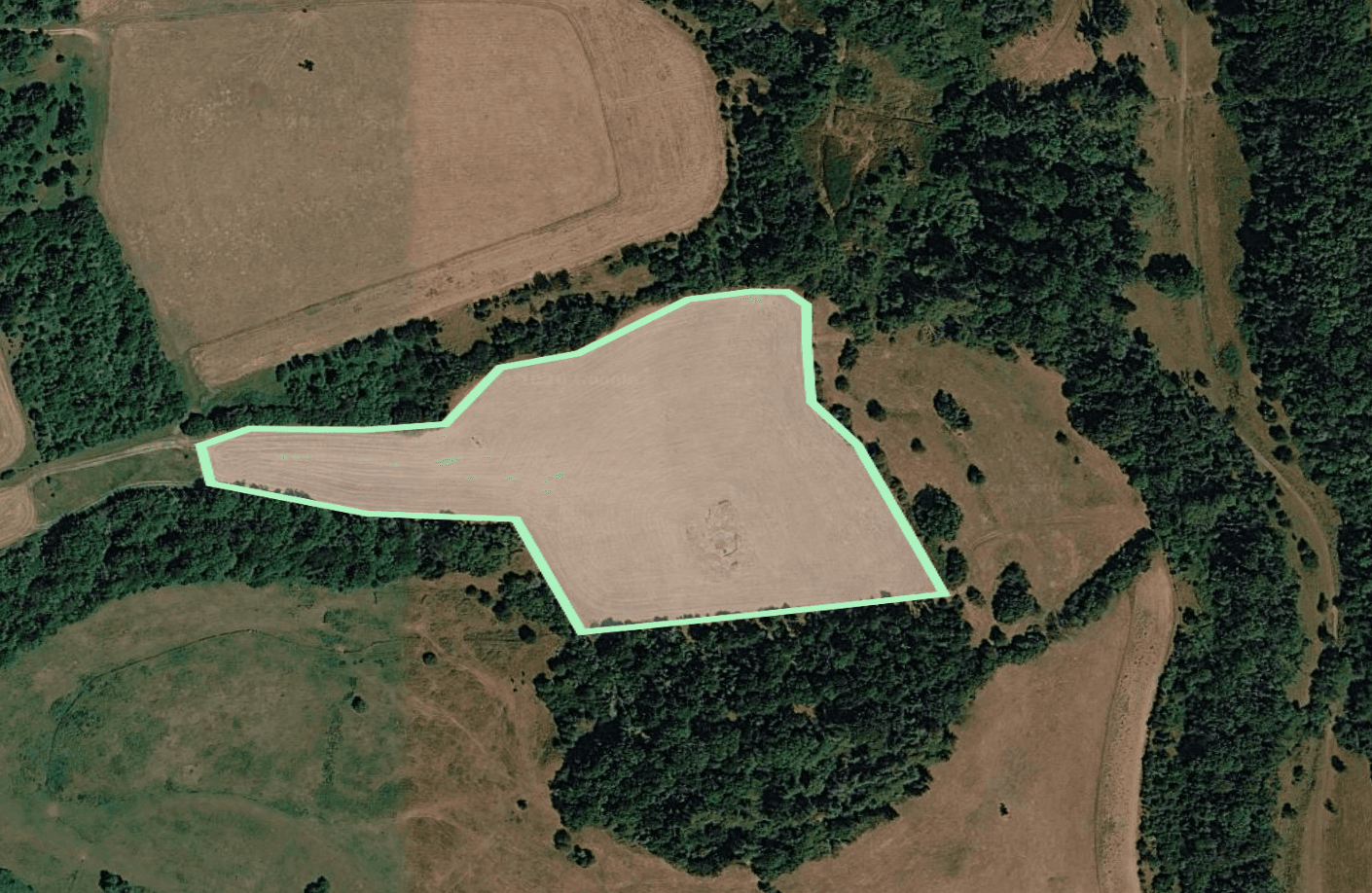
This project addresses the urgent need to protect agricultural land from wind erosion and climate-related exposure, ensuring the long-term viability of organic farming practices. By integrating biodiversity into working landscapes, the project supports both agricultural productivity and ecological resilience.

Reforestation replants trees on land hit by natural or human disturbance. It restores forest structure and canopy, protects biodiversity and watersheds, and promotes carbon sequestration.
The project is located at Syde Park Farm, on private freehold Grade 2 & 3 agricultural land. The site is an organic mixed livestock farm that has been sensitively managed, with existing woodland protected under the UK Felling Licence Act 1948. The project was initiated by the landowner and their advisers, and the planting area will be subject to pre-regulation and subsequent inspection by local authorities to ensure essential maintenance.
Protect Earth is establishing a shelterbelt and biodiversity plantings at Syde Park Farm in the Cotswolds. The project involves planting a 4-row boundary shelterbelt and mid-field “roundels” using 18 UK native tree species. Designed to create a natural microclimate, the project aims to protect organic mixed livestock farming from wind abrasion and exposure.
Follow the latest milestones and updates from this project.
Target date for the planting of the 4-row boundary shelterbelt and mid-field roundels.
The shelterbelt creates a natural microclimate that reduces wind speed and protects the farm from extreme weather events, enhancing resilience against climate change impacts. The trees will sequester carbon and improve soil health, contributing to the farm’s sustainability and reducing the need for external inputs.
The project introduces 18 UK native tree species, including tall trees, intermediate trees, and shrubs, which provide habitat and food for local wildlife. The mid-field roundels add structural diversity to the landscape, supporting pollinators and other biodiversity. The use of biodegradable matting and deer fencing ensures that the planted areas establish without introducing alien species or harmful materials.
The project supports local livelihoods by creating jobs for 7 local community members. Educational benefits are provided through free farm walks and school visits, offering hands-on learning about sustainable agriculture, biodiversity, and the importance of shelterbelts.

The 4-row shelterbelt creates a natural microclimate that reduces wind speed and protects the farm from extreme weather, building resilience to climate change impacts. The new trees sequester carbon and improve soil health, supporting the farm’s sustainability and reducing its reliance on external inputs.

Planting 18 UK native tree species, from tall trees to intermediate trees and shrubs, provides habitat and food for local wildlife. The mid-field roundels add structural diversity to the working landscape, supporting pollinators and other biodiversity.
These partners help deliver the project and verify its impact.

Protect Earth is a registered charity in England and Wales. Our purpose is simple: we aim to plant, and help people plant, as many trees as possible in the UK to help mitigate the climate crisis.