Reforestation

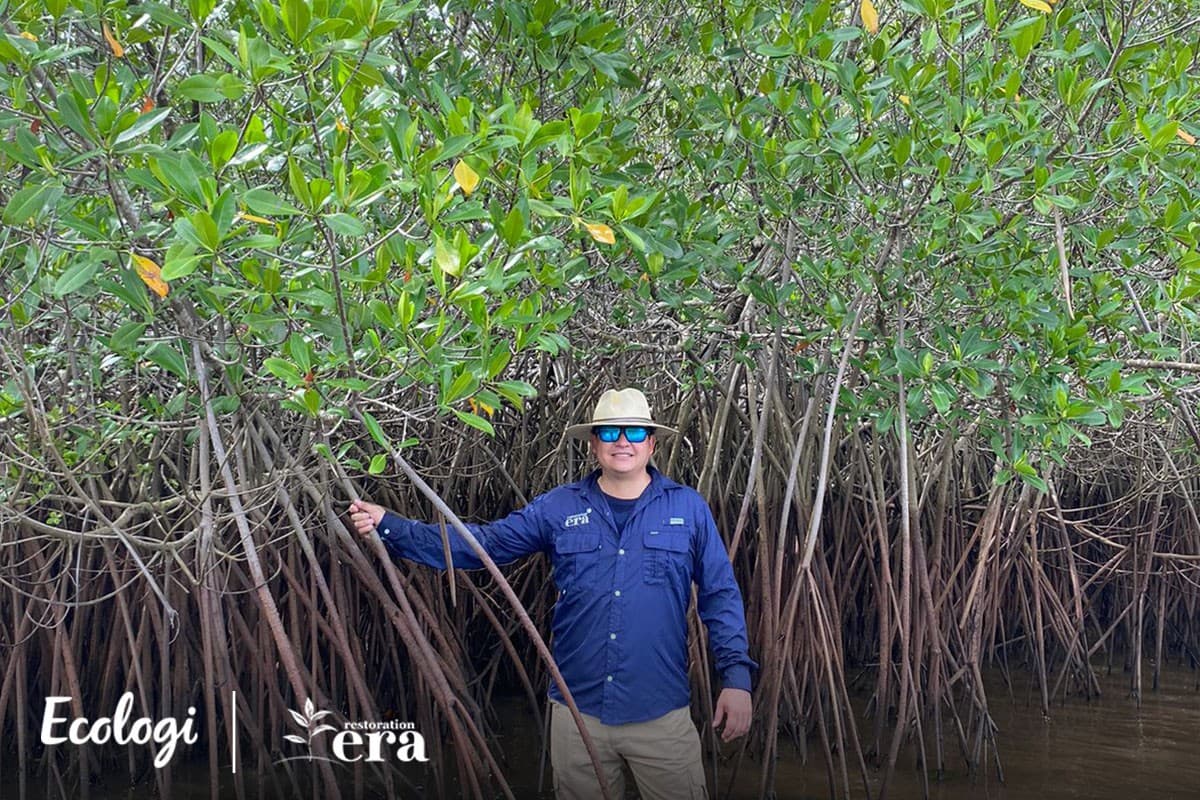
Mangrove restoration in Guatemala

Mangrove restoration in Guatemala

Why plant trees?

Reforestation replants trees on land hit by natural or human disturbance. It restores forest structure and canopy, protects biodiversity and watersheds, and promotes carbon sequestration.

Project summary

About this project

The Guatemalan government, in coordination with the UN, has identified two watersheds that are essential to restore for the well being of the country. Restoration Era is working with the Guatemala Ministry of Water to restore the Samalá and Ocosito Watersheds from the mountains to the mangrove estuaries on the coast.

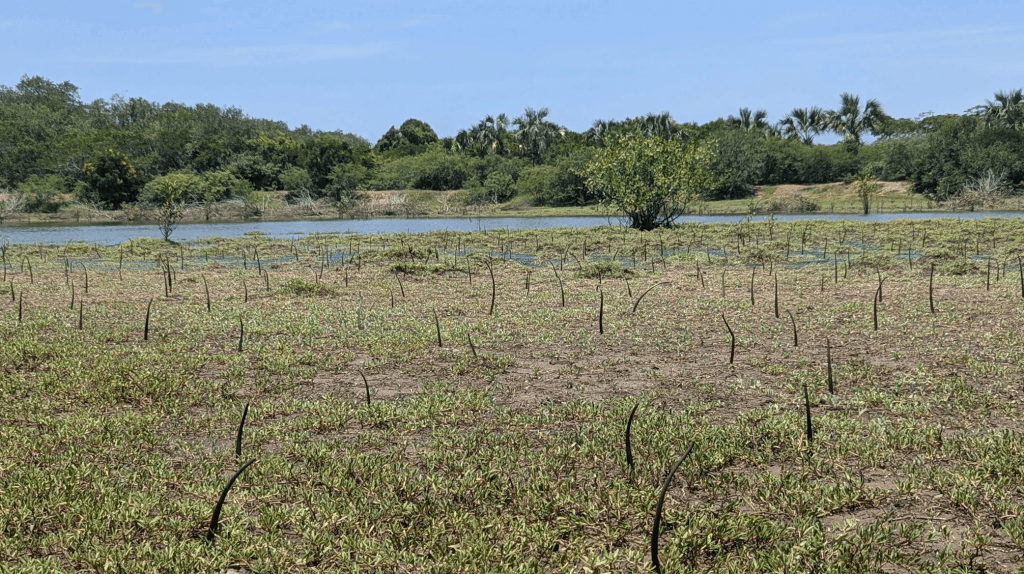
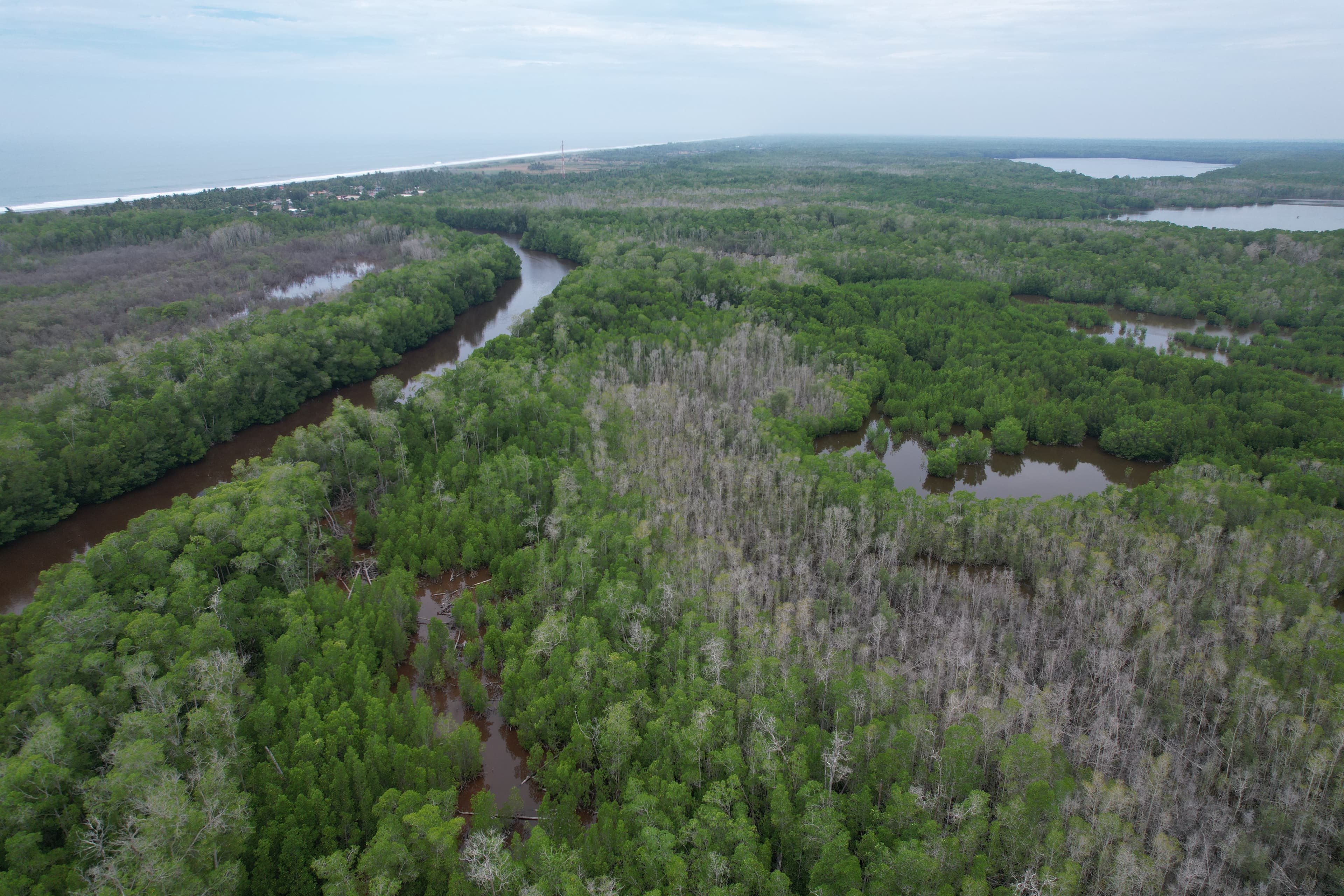
This project area is the estuary at the end of the watersheds. The area has been deemed a protected area, but the government lacks resources to adequately protect the area so this project supports guarding of the area through the employment of forest guards. Live fences made of native tree species are also planted to delineate the protected areas.

The estuary is an essential habitat to many migrating and endemic bird species, and so restoring the mangrove forest here will bring benefits for these important species.

For this particular project an additional benefit is that this community is a predominantly fishing community and they have not been able to fish for several years because of the degradation of the estuary. The estuary is home to several fish species, mussels, crabs, and shrimp that rely on the health of the estuary to survive and flourish. Restoring the estuary restores the primary livelihood activities of the community.

Locations

Guatemala

Timeline

Follow the latest milestones and updates from this project.

Oct 2026
When a restoration project becomes a movement

When a restoration project becomes a movement

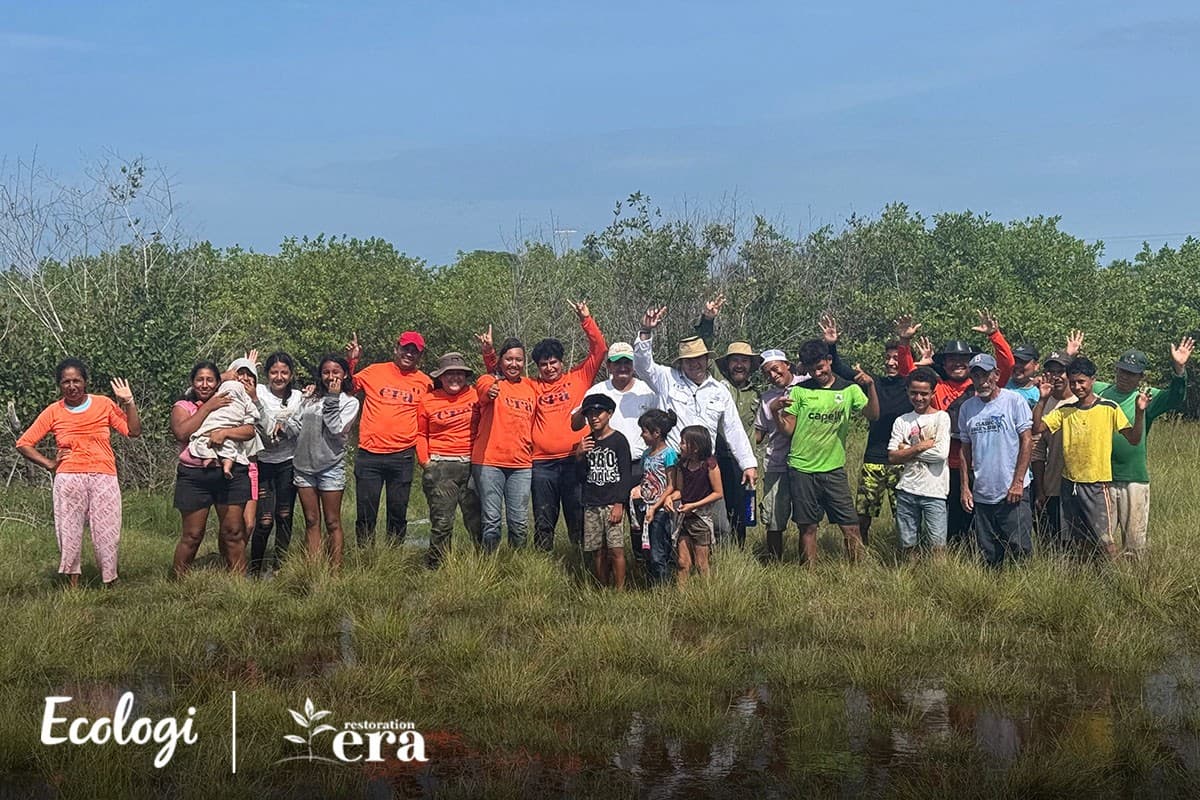
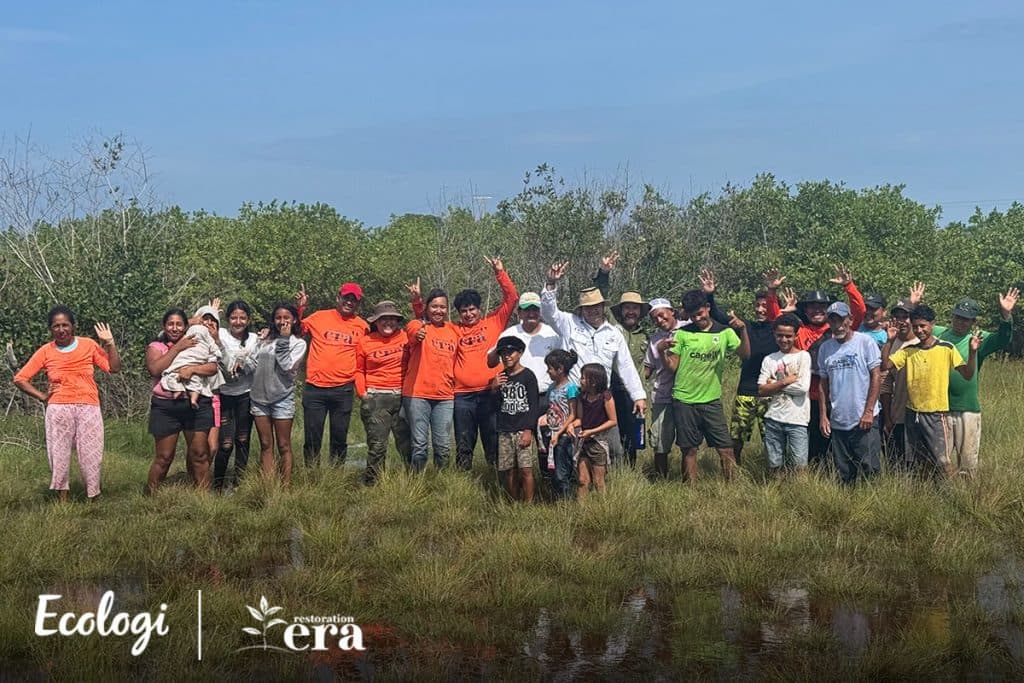
Restoring ecosystems and building thriving communities is no small task, and it takes the strength of many hands to be successful. The large-scale mangrove restoration in Guatemala has started raising national attention and organisations across the private, nonprofit, and government sectors want to join.

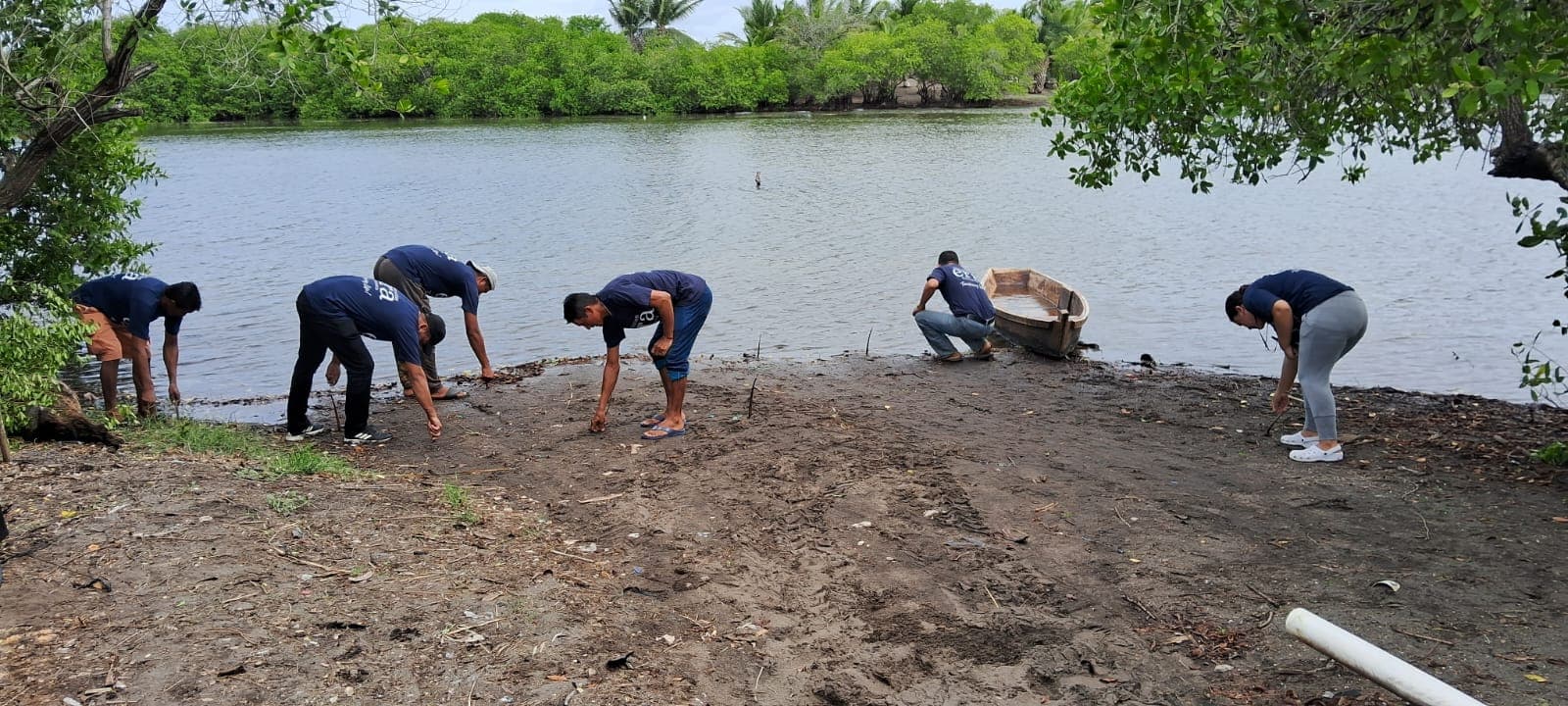
One of the biggest challenges the project faces in the estuary is the amount of litter: plastics travel from the mountains down to the coast, blocking essential water channels and harming local wildlife. The community does not currently have a landfill or trash system, and while the team are in the process of promoting a long-term solution with the state government a short-term solution is needed.

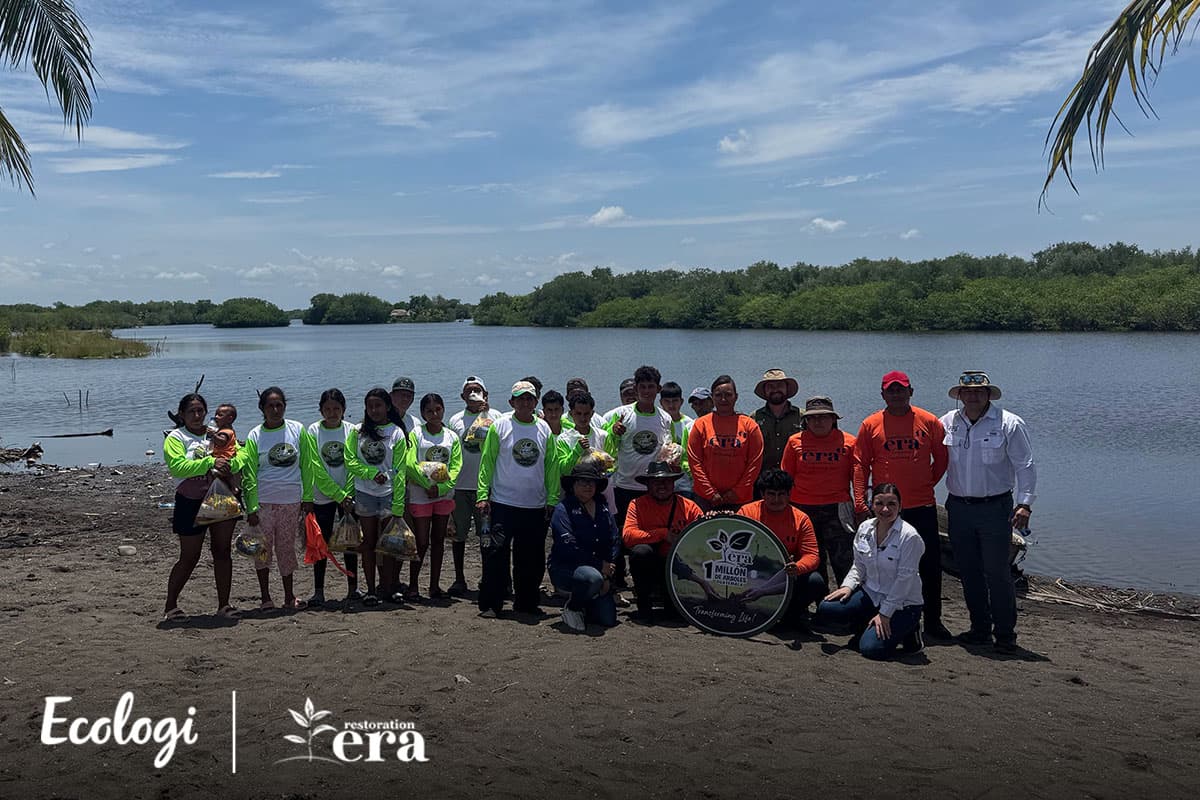
Restoration Era has partnered with the government, communities, and Coca-Cola to organise community-wide plastic trash pick-up days. These events have become something the community takes real pride in, not just for the cleaner surroundings, but for what they represent. These communities have had a shift in attitude from thinking that ‘leaving is the solution to change’ to being proactive in making their current home a better place.
Aug 2026
625,000 trees planted since January 2026

625,000 trees planted since January 2026

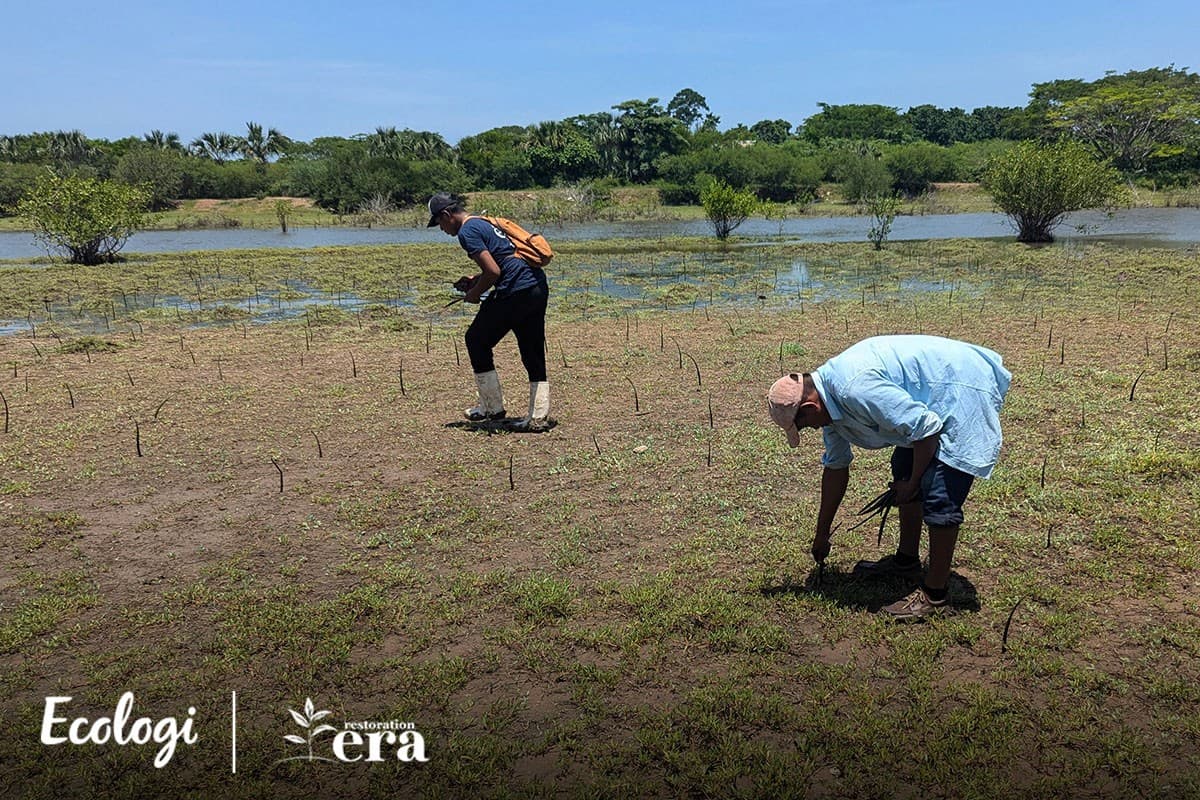
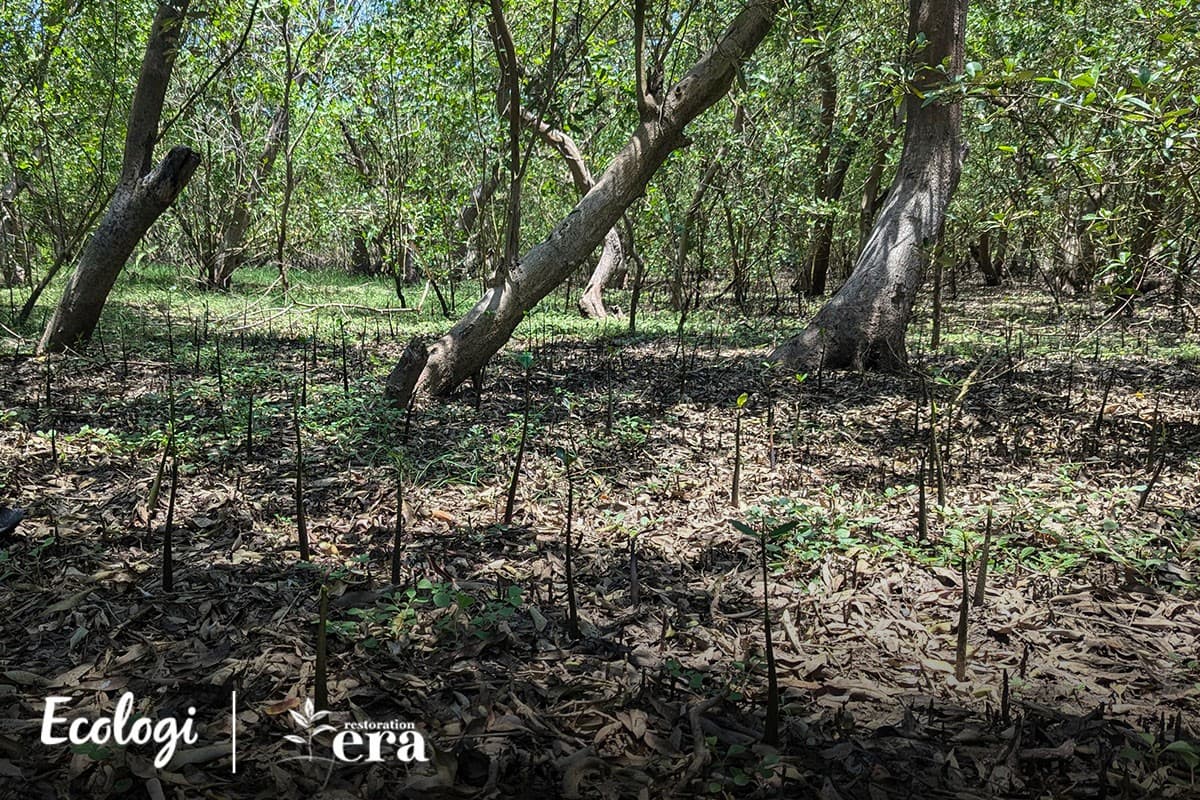
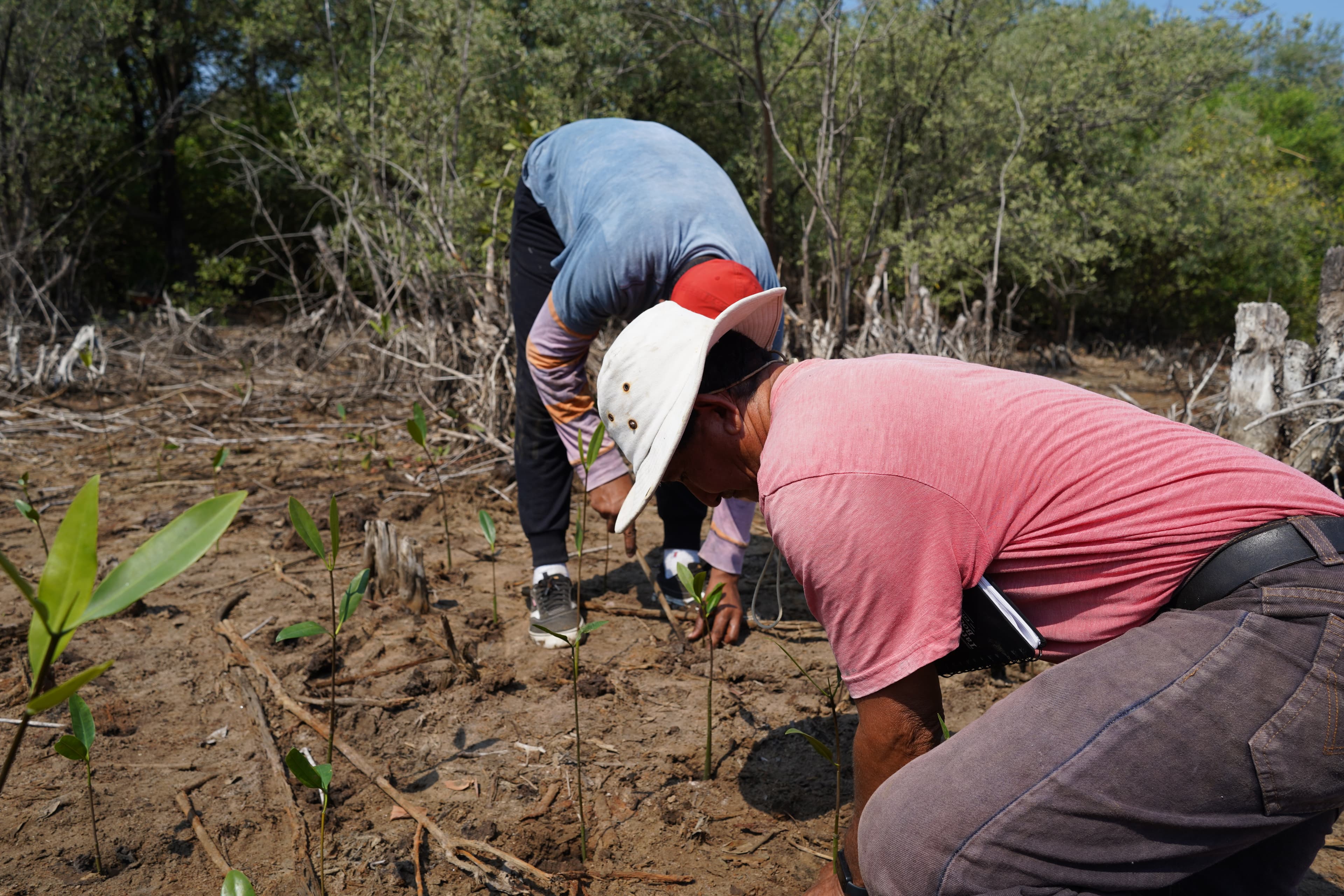
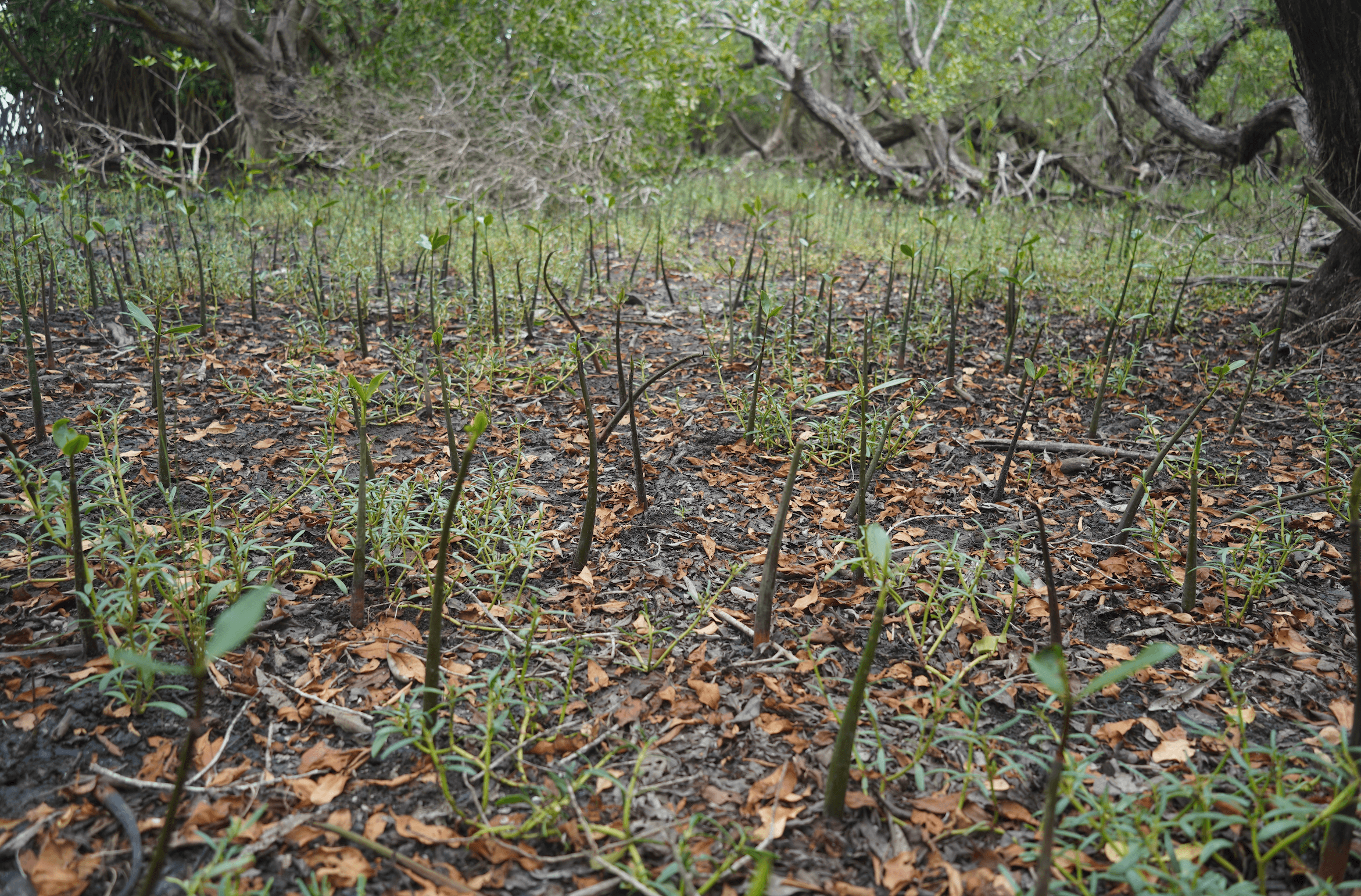
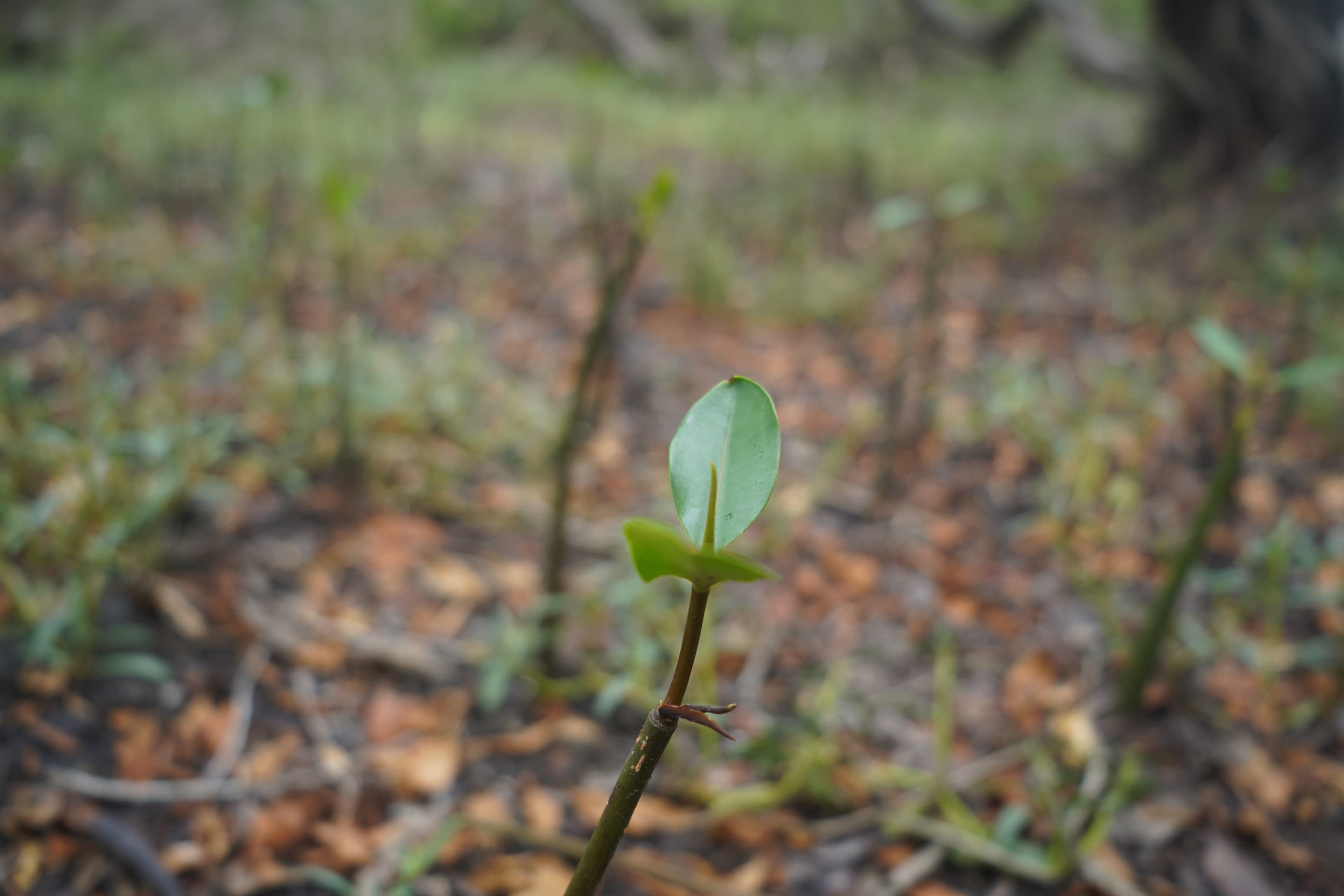
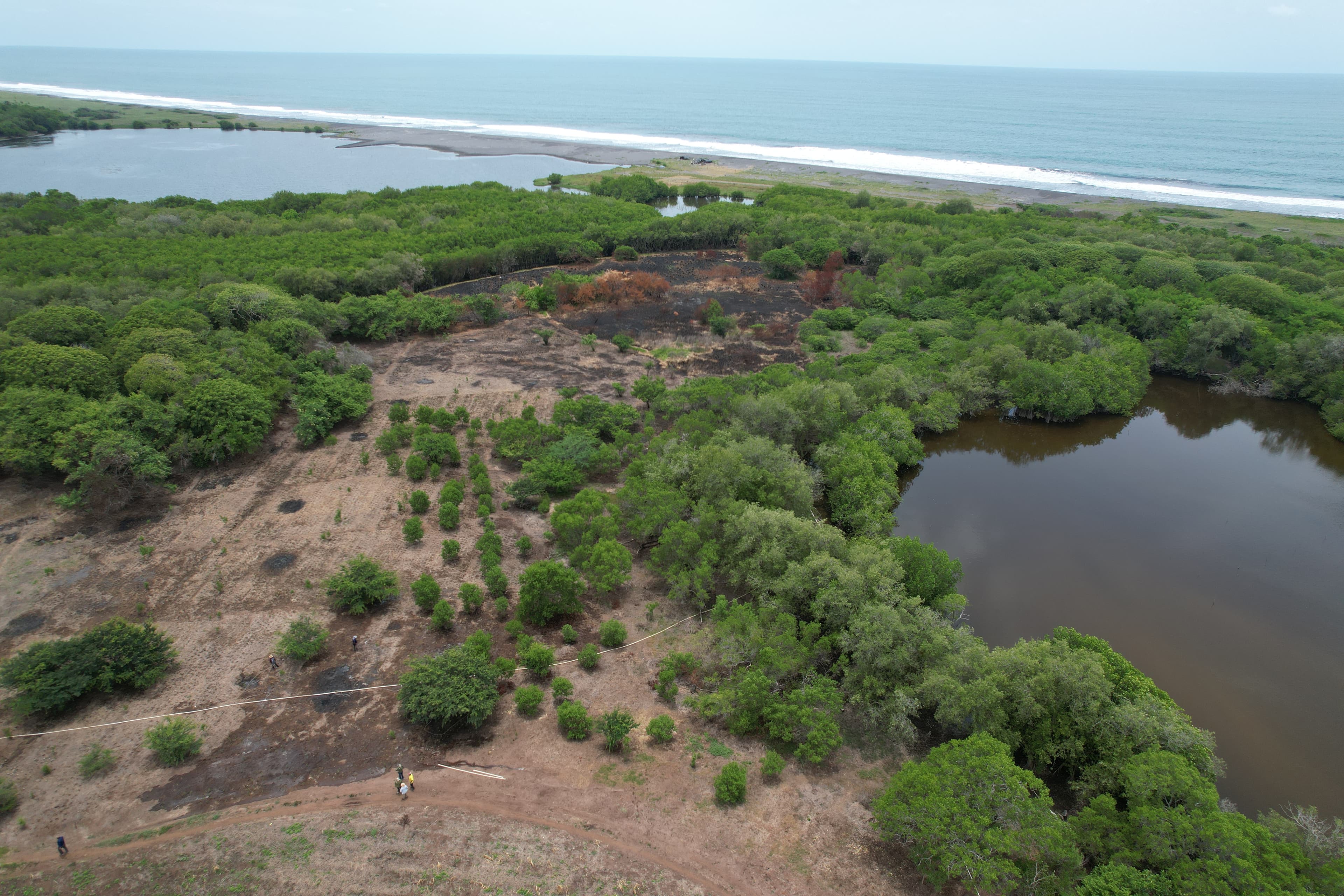
Since January 2026, this project has planted 625,000 trees across 65 hectares of restoration, focused on reviving a heavily degraded mangrove estuary and coastal forest on Guatemala's southern coast.

Not only are the mangroves sequestering carbon, but the trees are also preventing coastal erosion, protecting communities against flooding and reducing the effects of storm surges. This is a frontline defence, helping them adapt as climate change intensifies the risks they already face.

Mar 2026

Eleven community members hired in Guatemala

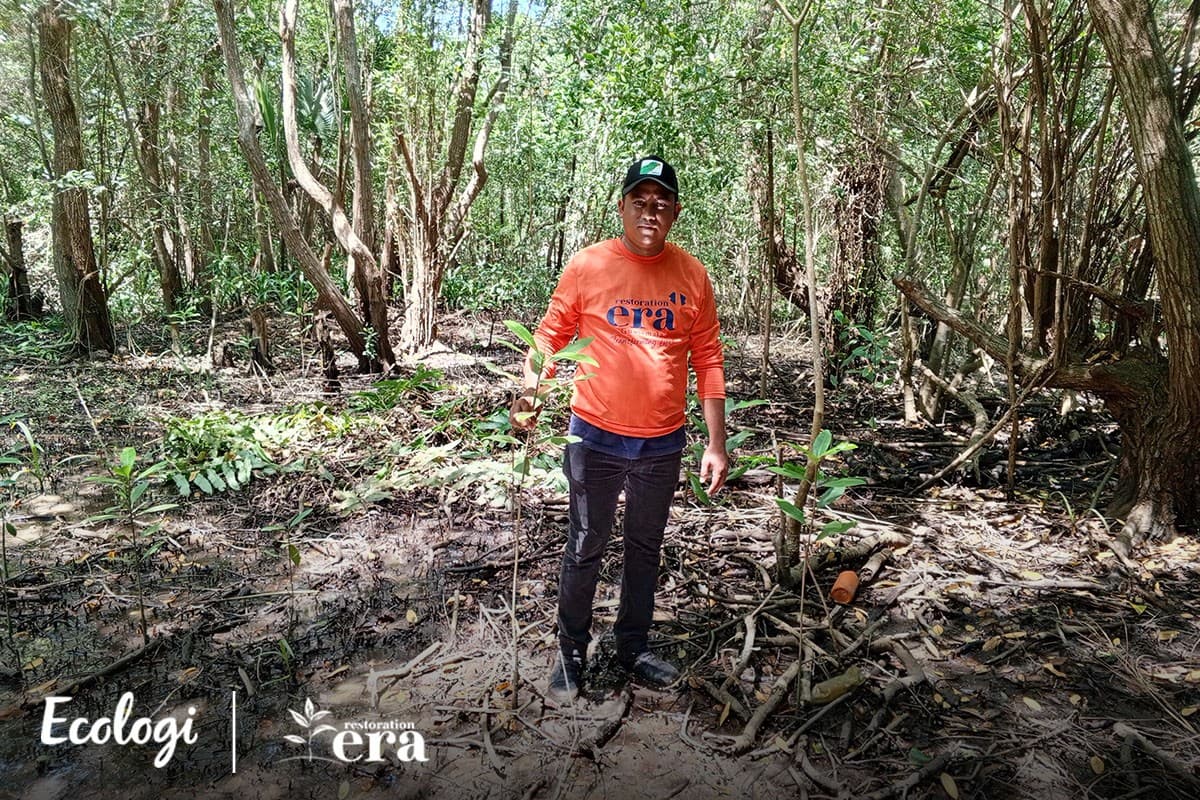
Eleven community members have been hired, ten of whom have never earned a consistent wage before this project. 5 members of the team are women, which is deeply impactful for the families, as traditionally women are not the primary wage earners for their families. The majority of the team are young adults who are grateful for the opportunity to stay in their communities to earn an income. This partnership has not only given jobs to this community, but it is also restoring the estuary, which will restore people’s fishing livelihoods.

Mar 2026

Restoring habitats for the mangrove hummingbird and the yellow-billed cotinga in Guatemala

The mangrove estuaries of Guatemala´s Pacific Coast are a bird refuge for hundreds of species of migratory birds in the Americas and is an essential habitat for many endemic birds. Bird Life International lists the region as a critical endemic bird area. Two key endangered species that the project will provide habitat for are the mangrove hummingbird and the yellow-billed cotinga. Restoring the mangrove estuary will restore this species’ habitats and restore the life underwater that attracts millions of migrating birds to Southern Guatemala.

Benefits

Climate

By restoring native forests, carbon is sequestered from the atmosphere, erosion is reduced, flooding is prevented, and the area cools.

Nature

This project is boosting biodiversity on land and in the water. The project area is particularly important for migratory and endemic birds.

People

This community is traditionally a fishing community. They consume and sell fish, mussels, clams, crab, and shrimp for a living, but the degradation of the mangrove estuary (these species' habitat) has been so degraded that the community can no longer sustain themselves through their traditional methods as the fish and shellfish populations have decreased in the area.

The restoration of this area directly impacts the communities livelihood. Right now most families are having members immigrate to the United States in search of work and those family members are sending back money. This immigration journey is dangerous and disruptive to families as a family member could be gone for years. Now the community has the ability to have jobs at home, earn a just income, and restore the area they rely on. The project is also helping the community implement sustainable shrimp and fishing practices and improve access to market so that they will benefit from the project long term.

In addition, Restoration Era is also working with a partner NGO on implementing ecotourism opportunities in the newly restored areas.

SDGs supported

No Poverty

Through job creation and creation of small businesses by improving access to market.

Zero Hunger

Healthy and diverse diets can be supported through the sustainable agriculture practices introduced by this project.

Good Health and Well-Being

By introducing sustainable agricultural practices, reducing harmful chemical exposure, increasing healthy food through agroforestry, and the environmental restoration improves water quality for the community

Gender Equality

Restoration Era hires across genders and empower women in traditionally male-led societies to take on leadership roles.

Clean Water and Sanitation

Restoration Era is providing every team member with filters, first aid materials, and training.

Decent Work and Economic Growth

Restoration Era provides all tree planters a living wage, meaningful work, and helps communities build sustainable businesses to care for their families.

Reduced Inequalities

Restoration Era focuses on employing those who are marginalized and providing economic stability for impoverished communities.

Sustainable Cities and Communities

Restoration Era works on sustainable agricultural initiatives and sustainable forest management plans for communities.

Climate Action

By restoring native forests, carbon is sequestered from the atmosphere, erosion is reduced, flooding is prevented, and the area cools.

Life Below Water

This project protects and restores the habitat of fish, shrimp, and shell fish.

Life on Land

This project will restore forest habitat for many species that rely on the mangrove estuary.

Partnerships for the Goals

Restoration Era partners with communities, governments, non-profits, and businesses to see holistic environmental and socio-economic transformation

Verification

These partners help deliver the project and verify its impact.

Suppliers

Restoration Era
Restoration Era

Restoration Era approaches environmental restoration with a community focus. Through this model, the ecology of degraded lands is restored, livelihoods are transformed by alleviating poverty, and lives are improved.