Carbon removal

Kuamut Rainforest Conservation, Malaysia

Kuamut Rainforest Conservation, Malaysia

Why support this project?

This project is one of our highest all-round achievers. This is largely due to the dynamic and rich biodiversity within the environment that is being revitalised. Scoring highest in nature, the Kuamut Project largely invests in the area as a refuge for a high abundance of species relative to the area. According to the IUCN Red List of Threatened Species, 910 animal, fungi and plant species have been found within the area. 

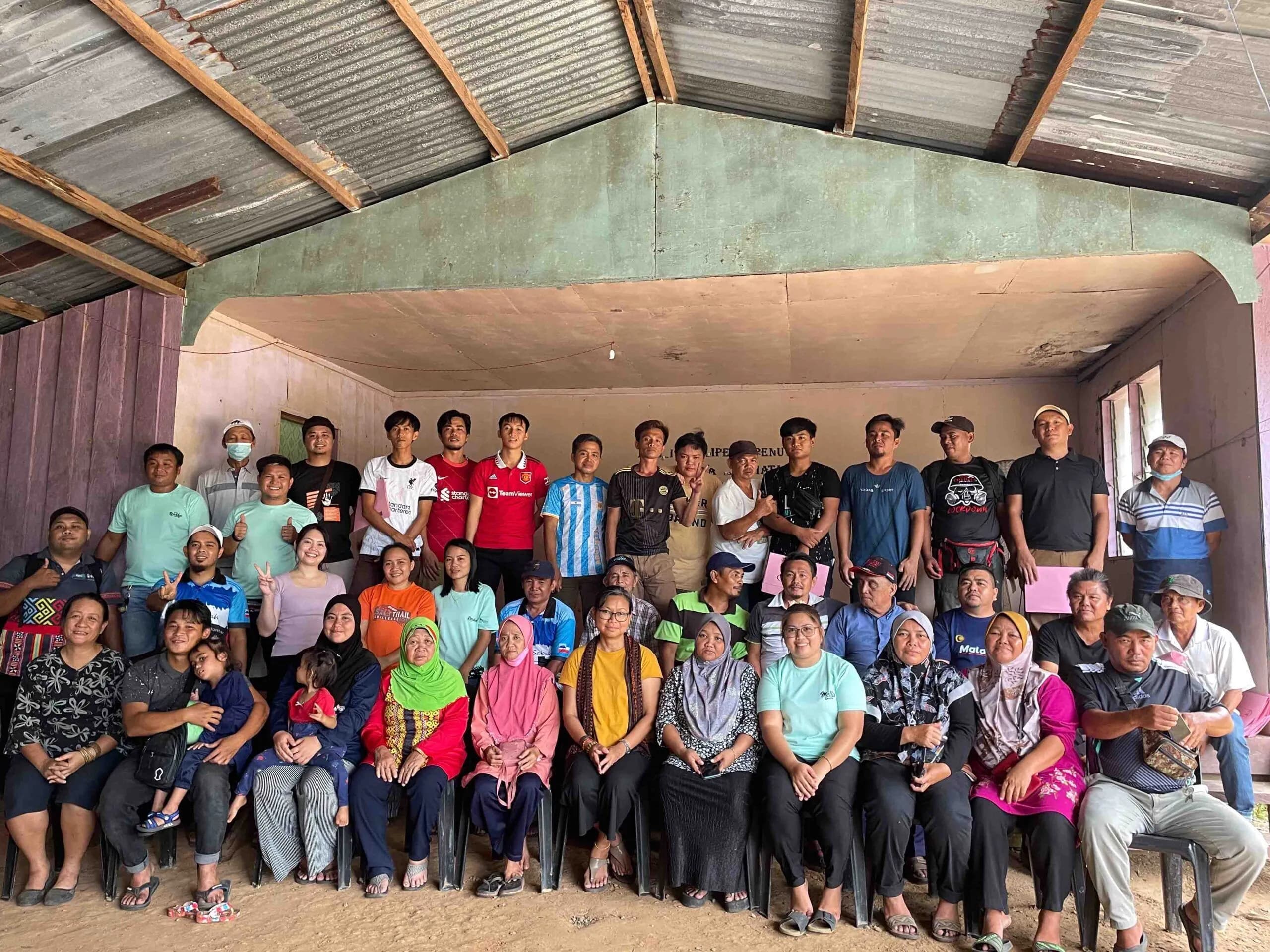
Alongside the benefits to nature, we acknowledge the investment and commitment to communities and villages within the surrounding areas. Employment opportunities and the reduction of inequalities are actively achieved through the employment of women annually. Placing these women in roles of implementation and monitoring has provided the opportunity for increased financial literacy and training.

How does growing vegetation remove carbon?

Afforestation, reforestation and revegetation differ by land-use history. ARR projects restore tree and vegetation cover on degraded or non-forested land, removing CO₂ through biomass and soil carbon.

Project summary

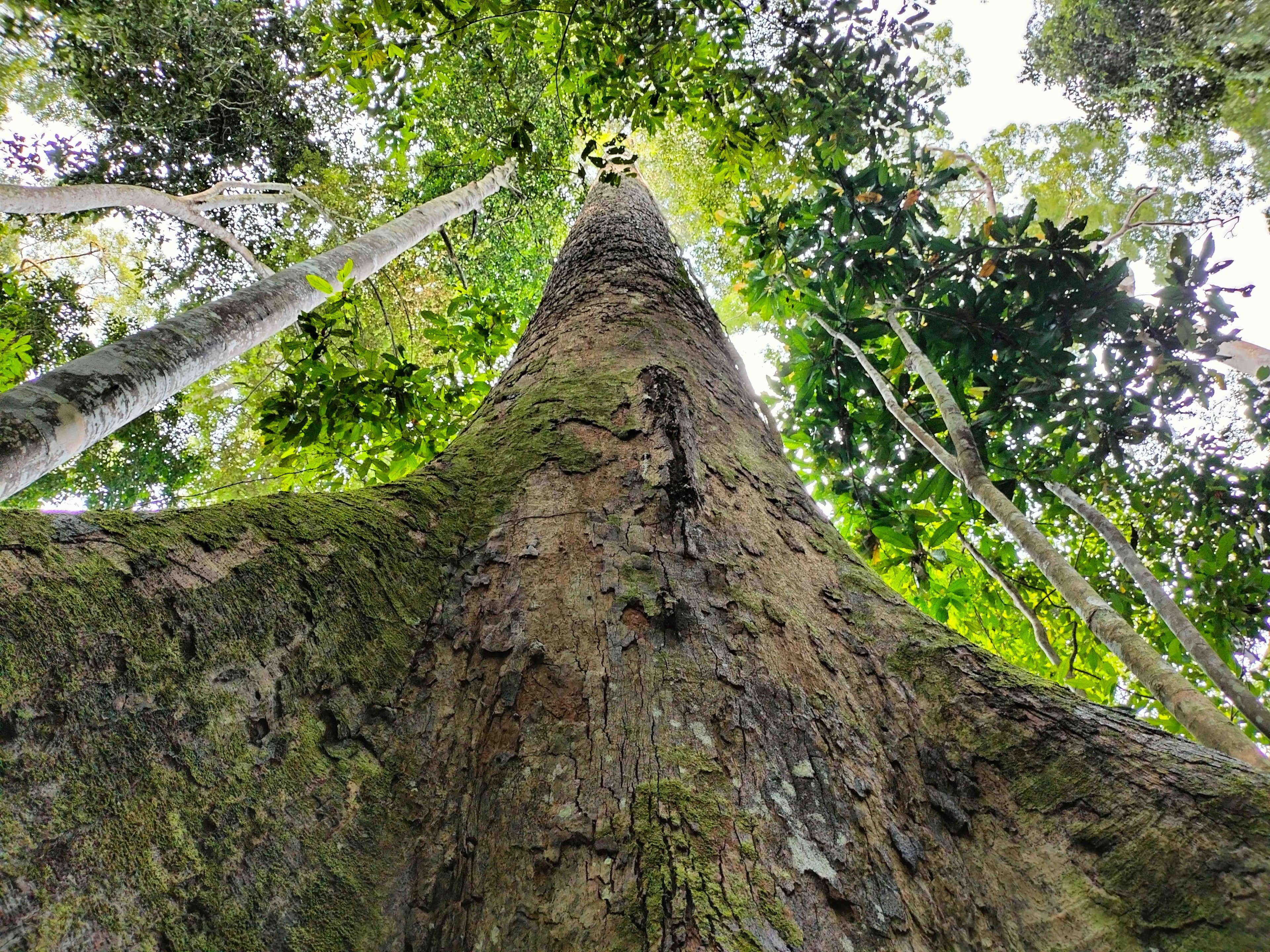
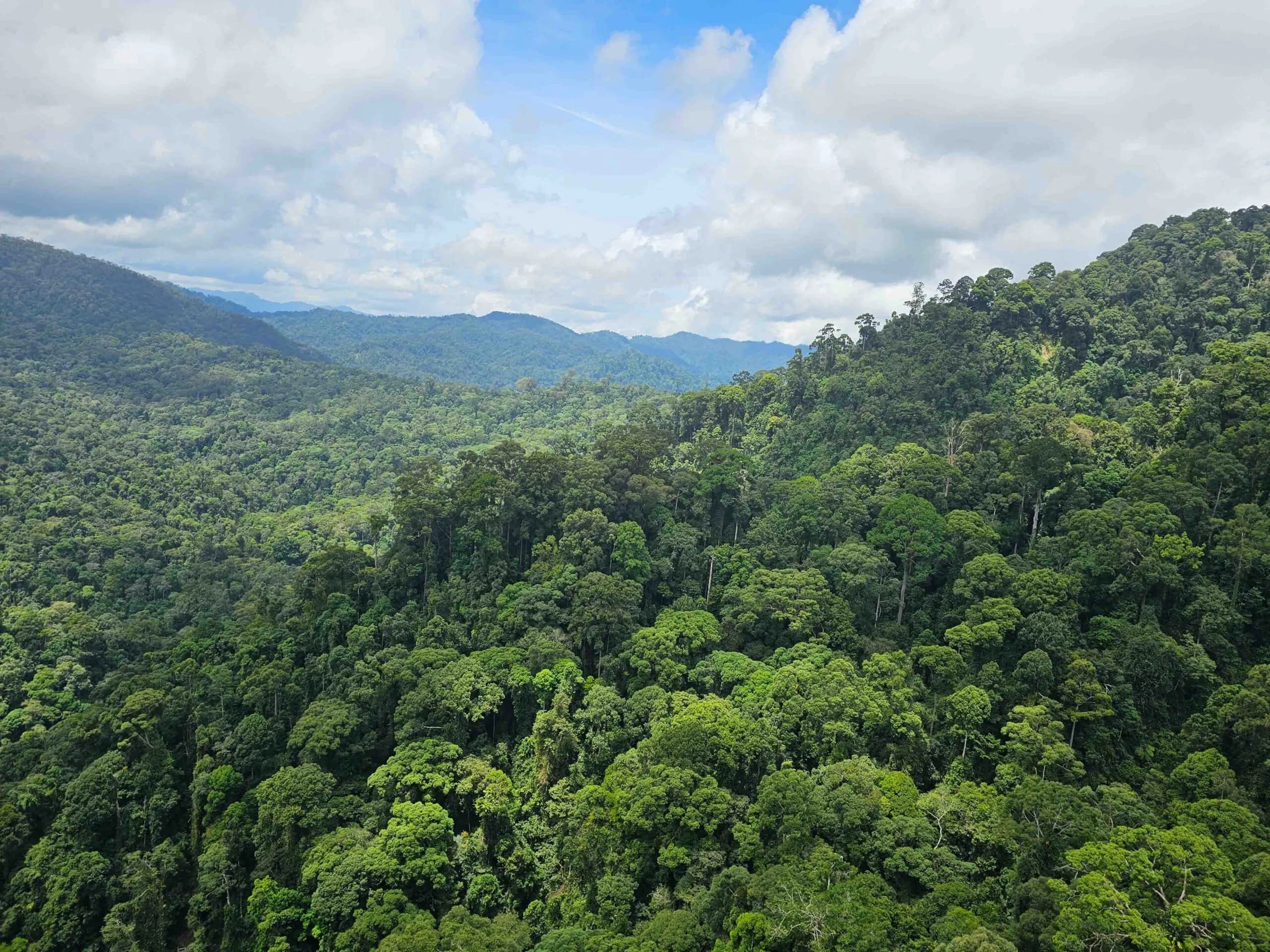
The Kuamut Rainforest (“Kuamut Project”) is the restoration of 83,381 ha of tropical rainforest in Sabah, Malaysia. This is a long-term Improved Forest Management (IFM) project, currently holding a 99-year lease with the Sabah Forestry Department. This is a landmark public-private partnership in the heart of Borneo. The excitement of this project is due to it being Malaysia’s first fully certified nature-based carbon project. 

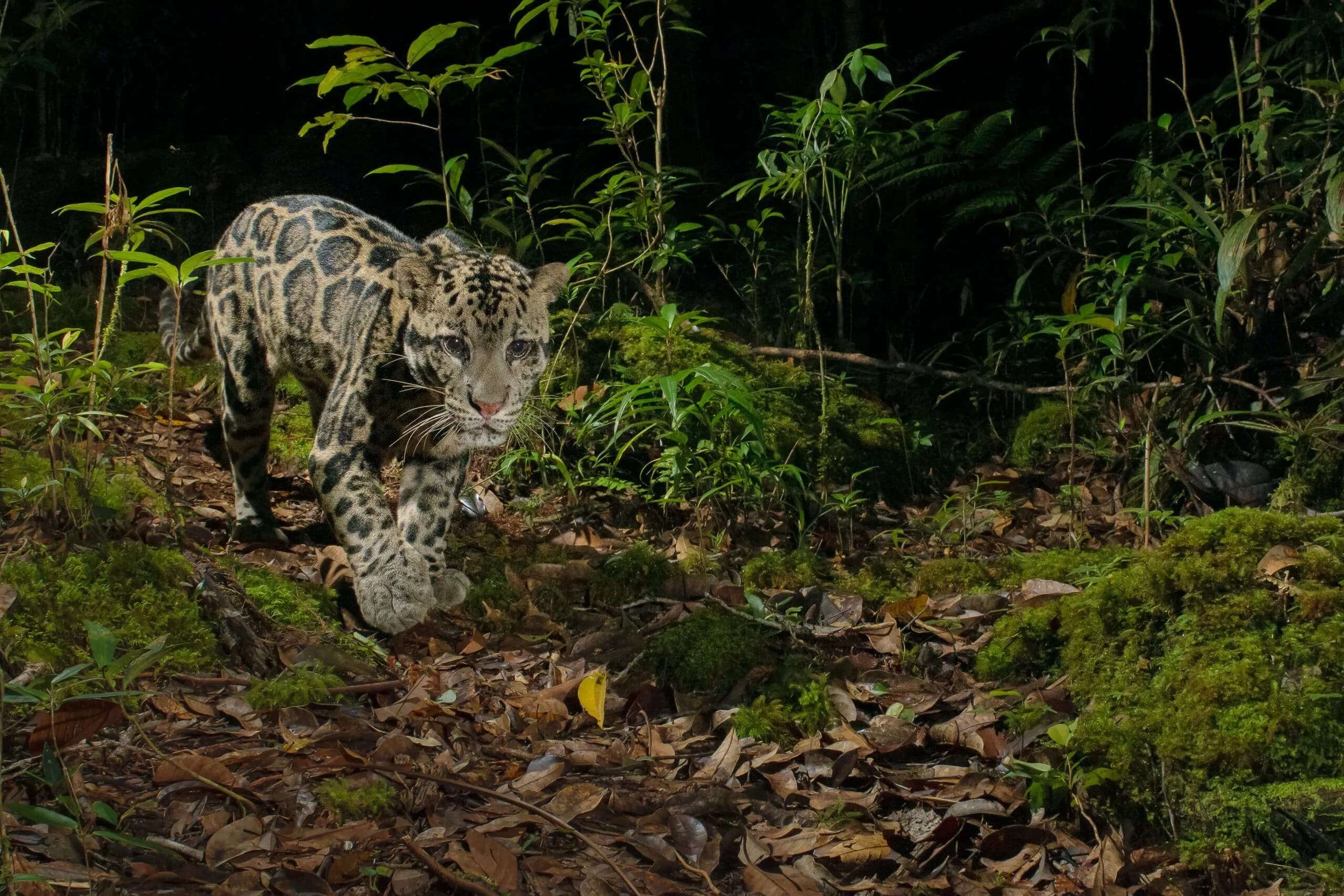
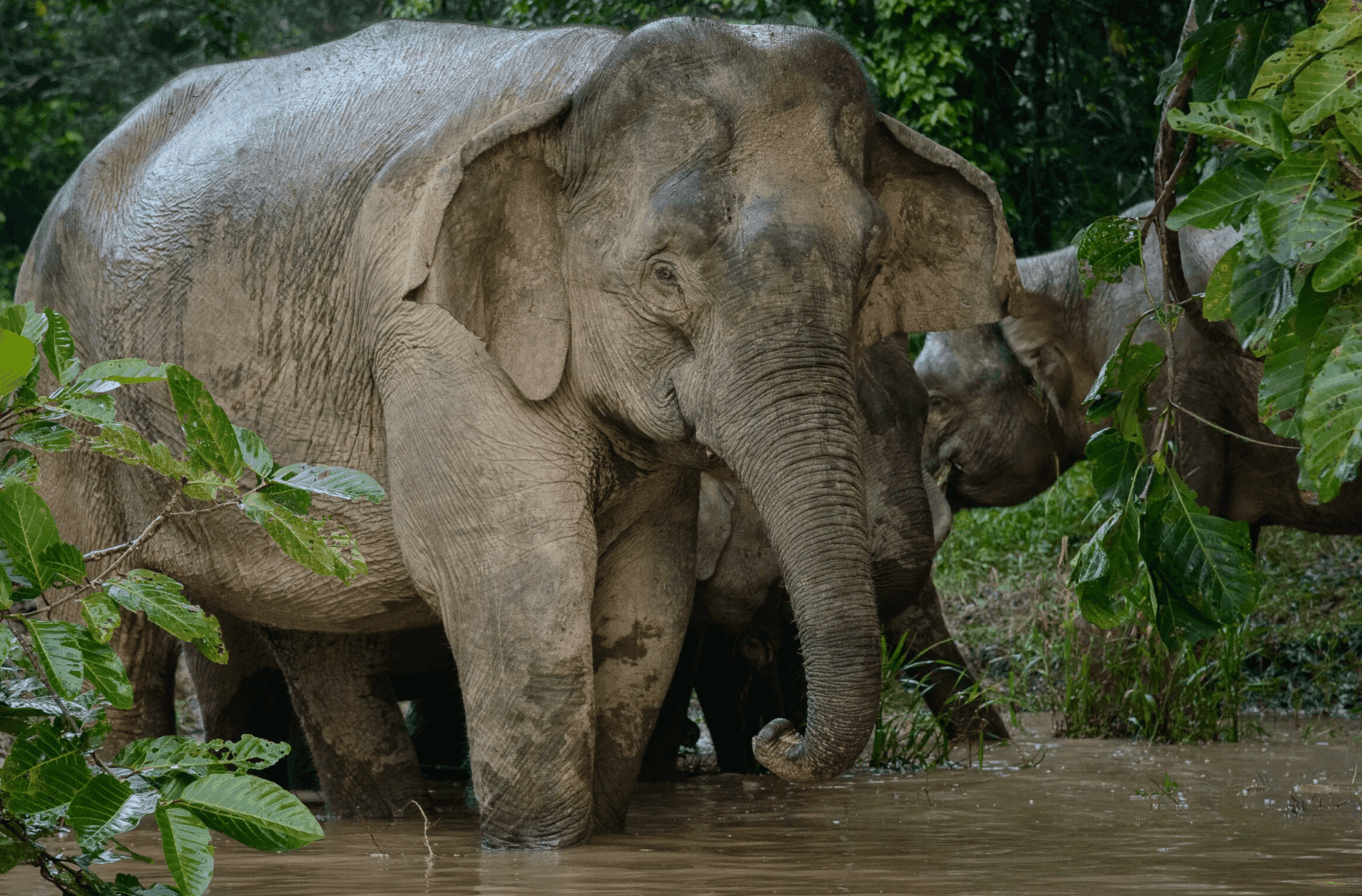
Kuamut is regarded as a global benchmark for high-integrity forest carbon projects. The restoration project is currently operating within a 30-year timeframe (2015-2045) and has legally converted a heavily logged Class II commercial production forest into a Class I protected forest reserve. The aim is to halt future commercial degradation to allow natural regeneration. The area is home to significant populations of elephants, orangutans, and endangered bird species; Helmeted Hornbill, Bornean Peacock Pheasant, to name a few.

Locations

Sabah, Malaysia

Benefits

Climate

Kuamut performs strongly on Climate by avoiding emissions that would have resulted from intensive logging. Without the project, an estimated 16 million tCO₂e would have been released over 30 years. Instead, the forest is now protected and managed as a long-term carbon sink, demonstrating both credibility and impact in its climate contribution.

Utilising a combination of plot-based and remote sensing methods to analyse carbon stocks provides a robust understanding of the project's successful practises. The project area is recovering from a heavily logged past. The most recent round of extensive logging occurred between 2004 and 2010. A high intensity of degradation is important to consider as soil carbon loss can ultimately turn into a carbon source. This is supported by studies within the Malaysian Borneo region.

Nature

The promoted protection and preservation of the existing biodiverse forest ecosystem. The Kuamut rainforest is of particular importance as it connects to globally important world protected areas; the Maliau and Danum Valley. Of the species that occupy this area, there is a significant amount that are on the IUCN Red List of Threatened Species. This includes 910 animal, fungi, and plant species. 

The Kuamut Project scores the highest in the nature pillar. The rainforest is a critical long-term refuge and a key connecting corridor. The trigger species that find refuge within this area are stable populations of rare, threatened, and endangered (RTE) species. Examples of this are the Bornean orangutan and the Bornean elephant; to name a few.

Not only is this area a stable refuge, but also, a critical buffer zone and key biodiversity corridor. This allows wildlife to disperse and expand their range. This ultimately improves their genetic viability.

People

While community benefits are more limited than its ecological outcomes, Kuamut still delivers meaningful social impacts. The project provides local employment in forest management and conservation, with efforts to involve women and reduce inequalities. 500 (out of which 300 are female) community members are expected to have improved skills and/or knowledge resulting from training provided as part of project activities over an estimated period of 5 years of the project implementation.

Around 914 (out of which 457 are women) people are expected to experience increased water quality and/or improved access to drinking water because of project activities. 1500 community members (out of which 800 are women) are also expected to receive improved well-being because of project activities and benefit positively in terms of health benefits.

SDGs supported

Gender Equality

The project creates opportunities for women’s involvement in conservation activities and forest management.

Decent Work and Economic Growth

Provides local employment in forest protection and management, generating income in an area with limited economic alternatives.

Reduced Inequalities

Actively engages marginalised groups in project activities, helping to reduce economic and social inequalities.

Climate Action

Without the project, an estimated 16 million tCO₂e would have been released over 30 years. Instead, the forest is now protected and managed as a long-term carbon sink, demonstrating both credibility and impact in its climate contribution.

Life on Land

Protects and restores biodiverse rainforest habitats, safeguarding elephants, banteng, orangutans, and endangered bird species like the Helmeted Hornbill and Storm’s Stork.

Verification

These partners help deliver the project and verify its impact.

Verifiers

Verified Carbon Standard

The Verified Carbon Standard (VCS) Program is the world's most widely used greenhouse gas (GHG) crediting program.