Reforestation

Restoring Kakamega Forest - Phase 4

Restoring Kakamega Forest - Phase 4

Why plant trees?

Reforestation replants trees on land hit by natural or human disturbance. It restores forest structure and canopy, protects biodiversity and watersheds, and promotes carbon sequestration.

Project summary

Background

The Kakamega Tropical Rainforest is of immense ecological and cultural importance as Kenya’s only remaining fragment of the Congo-Zaire rainforest. This vital ecosystem not only shelters diverse wildlife but also helps regulate water systems, and supports the daily needs of surrounding communities. 

However, it stands at a critical juncture. The forest is under growing pressure from imminent threats such as unsustainable practices driven by high poverty rates and a lack of alternative livelihood opportunities. Among the most pressing challenges are the encroachment of farmland into forested areas, reliance on destructive agricultural methods, illegal timber harvesting, large-scale charcoal production, and the introduction of non-native tree species that disrupt the natural ecosystem.

The decline of the Kakamega Rainforest, along with the depletion of Kenya’s five central water towers, is also linked to increasingly erratic rainfall patterns in the region. This has led to food insecurity due to poor agricultural yields and debilitating droughts, impacting the lives and livelihoods of millions. 

This project aims to protect and restore Kakamega’s fragile landscapes, contributing to international environmental commitments such as the Paris Agreement and the United Nations Sustainable Development Goals.

Project Summary

The Kakamega Rainforest restoration project is located in South Nandi and follows a multiple-impact approach, which ensures: 

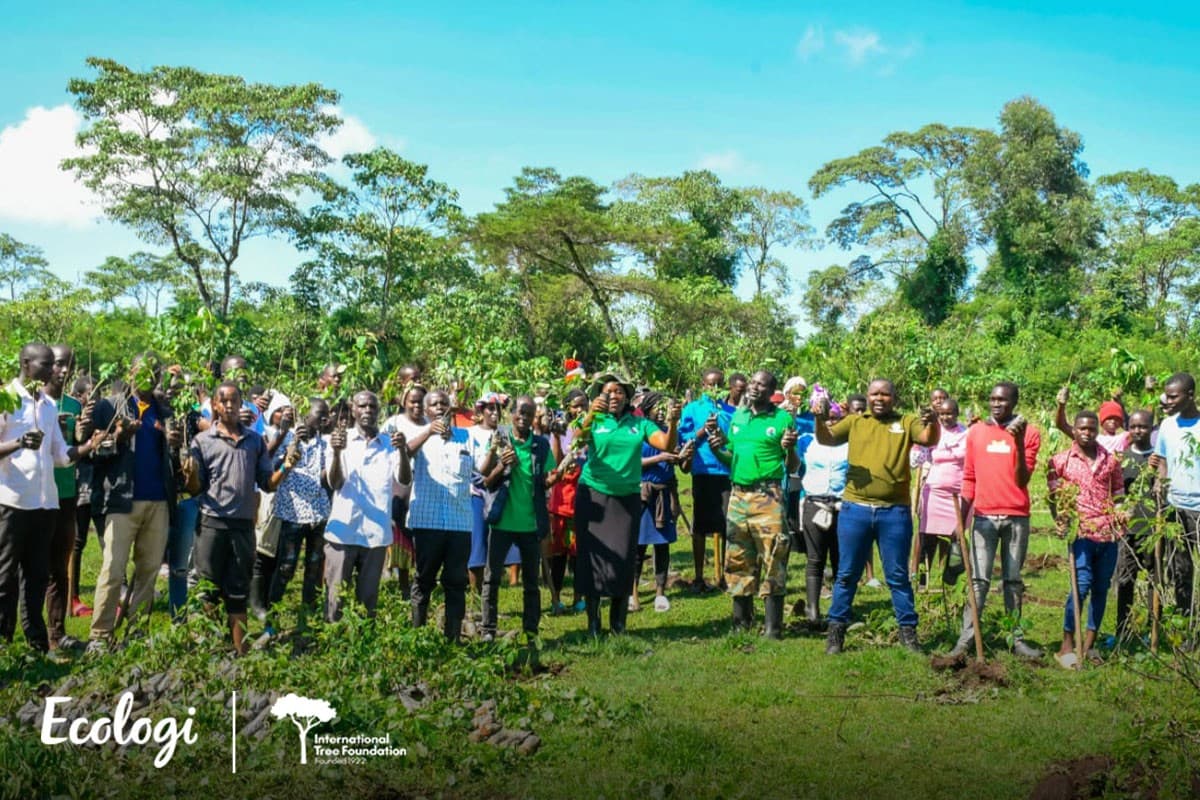
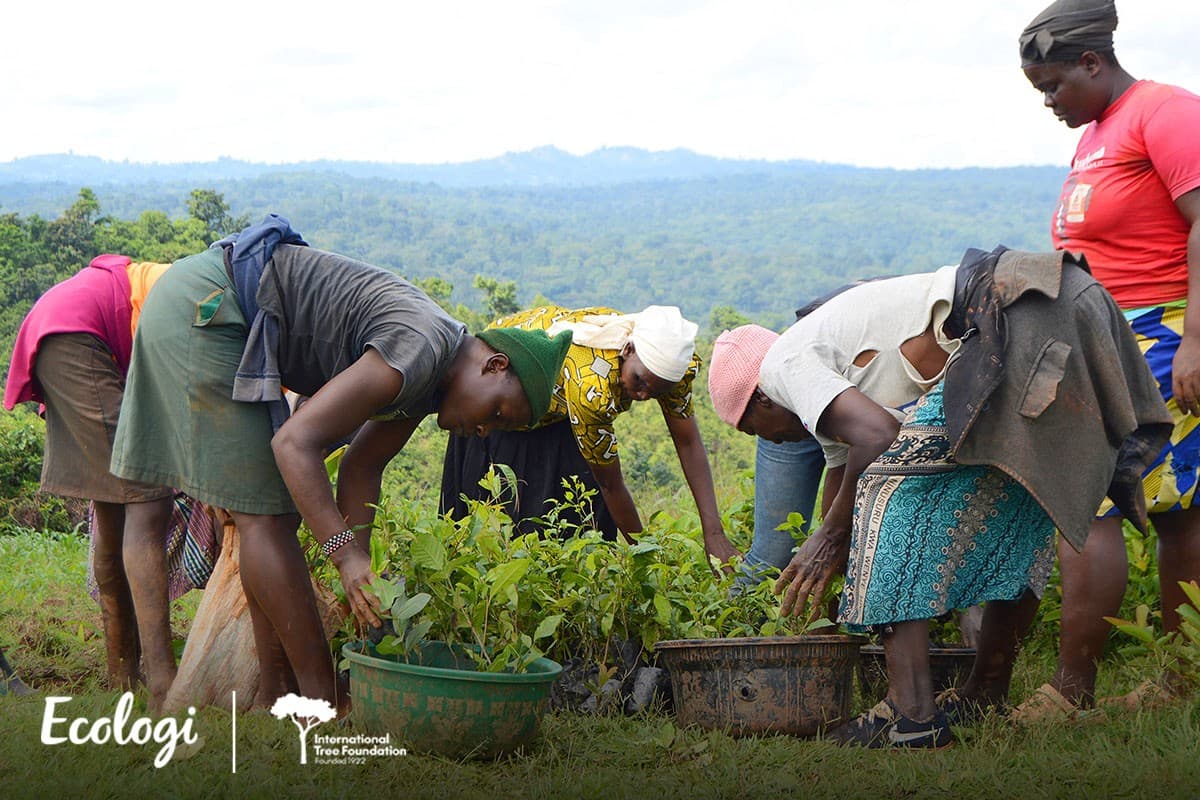
• Community-led restoration: Prioritising local participation in project areas through our partnership with Women in Water and Natural Resource Conservation (WWANC), as well as through working closely with the Kenya Forest Service and local government authorities.

 • Ecological resilience: Planting suitable native and threatened tree species as well as employing proper planting techniques to restore degraded areas and foster ecological integrity. 

• Livelihood improvement: Promoting the adoption of agroforestry and providing fuel-efficient cooking stoves to enhance livelihoods and help reduce pressure on the forest. 

• Capacity building: Equipping communities with the tools and knowledge to actively participate in forest restoration activities, foster environmental stewardship, and ensure the project’s long-term sustainability. 

Phase 4

This is the fourth phase of work in the Kakamega forest that the Ecologi community has supported. Phase 4 of this project will run from August 2025 to July 2027, with the ITF planning to replant 106,383 trees that will restore 70 hectares of degraded sites within the Kakamega Rainforest, the Nandi Forest, and the Koibem block, as well as an additional 20 hectares within forest buffer zones in Nandi County. The location is adjacent to the project’s Phase 3 site at Chepkumia block, enabling seamless continuation and expansion of restoration efforts. 

By the end of this phase, a total of 736,000 trees will have been planted, and 563.4 hectares of degraded forest fragments within the Kakamega Rainforest will have been restored through Phases 1 to 3 of this initiative. In this proposed Phase, local communities will play a key role in further rehabilitating degraded forest areas within the Kakamega Rainforest.

The key deliverables of this next phase will include:

  1. The planting a total of 106,383 trees

  2. The restoration of 90 hectares of degraded areas in Kakamega Tropical Rainforest and small-holder lands

  3. The employment of 6 community scouts for the nurturing, aftercare, and post-planting maintenance of trees

 4) Upscaling the production of both indigenous and threatened tree seedlings in the established community-managed nursery situated close to the identified planting sites

  1. Scaling the empowerment of the local Community Forest Associations (CFAs) to take leadership in forest management and protection, thereby improving local livelihoods and fostering a sense of community ownership

  2. Participatory resource monitoring and measurement of project outcomes, documentation of best practices, and lessons learned using GIS technologies and remote sensing

  3. Installing 300 eco-stoves for 150 households living within the buffers of the Kabujoi forest block

Locations

Kenya

Timeline

Follow the latest milestones and updates from this project.

Oct 2026
Over 120 community members supporting Kakamega Tropical Forest Restoration

Over 120 community members supporting Kakamega Tropical Forest Restoration

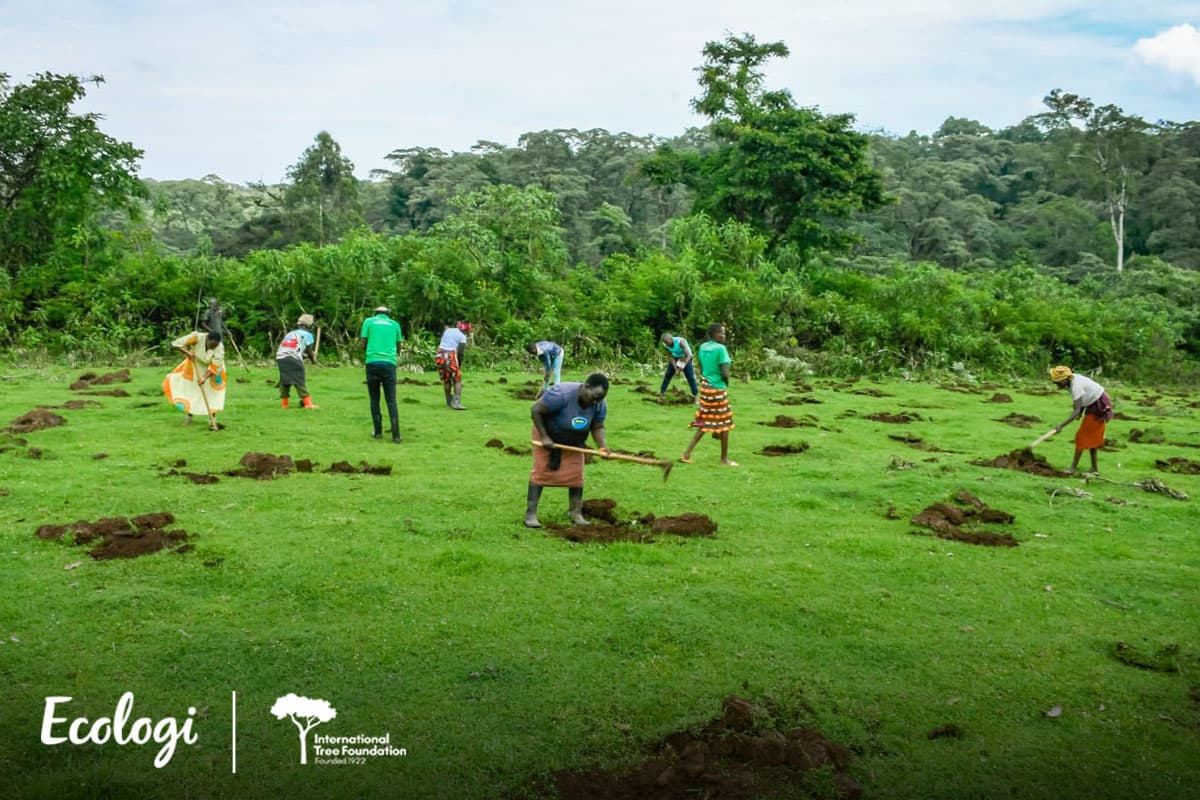
Over 120 community members were involved in spot weeding and bush clearing exercises. They managed to generate income from this, being able to meet some of their daily expenses and also pay fees for their school-going kids.

The community engagement alongside the KFS rangers during maintenance work and continuous awareness creation has led to realisation of project ownership, enhancing minimal site disturbance. As a result, good restoration progress is being witnessed, with few cases of uncontrolled grazing in planted areas.

Jul 2026
Over 1,000 community members engaged in project implementation

Over 1,000 community members engaged in project implementation

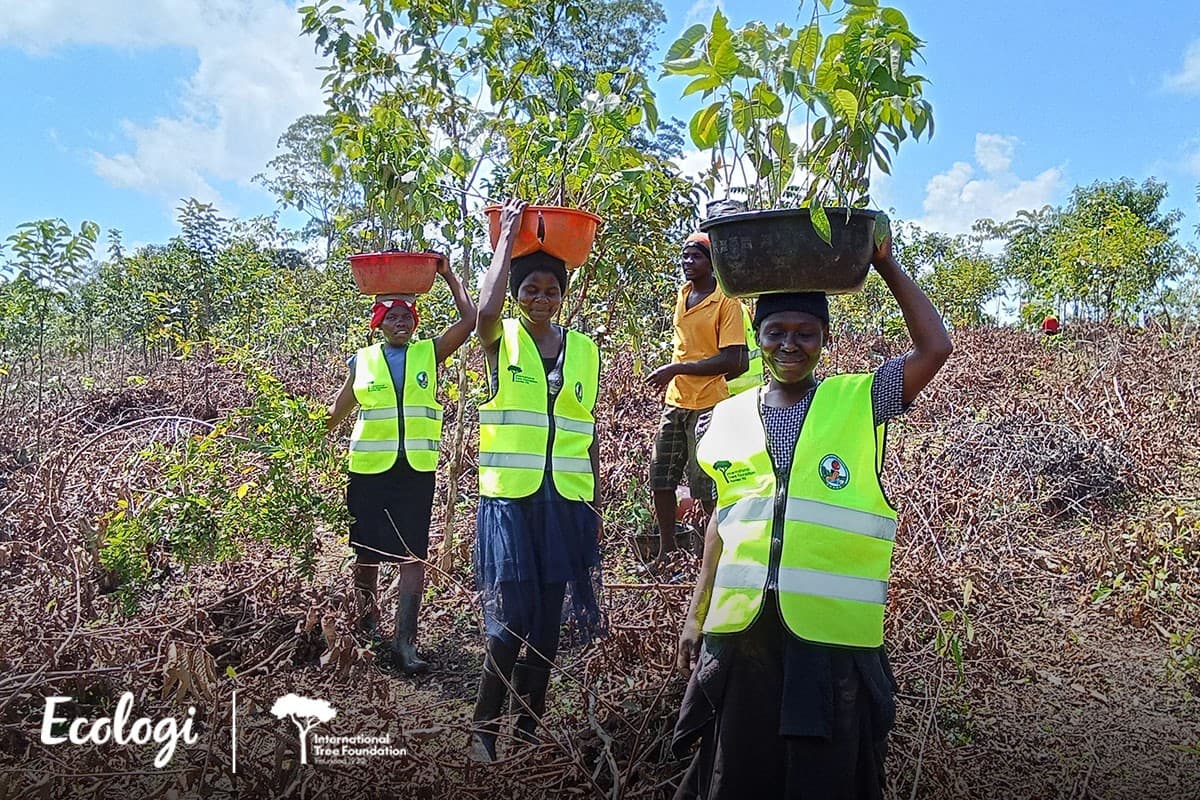
A total of 1,350 community members were engaged as casual workers during project implementation, providing short-term employment and income. A further 150 members from local nursery groups raised and supplied seedlings to the project at an agreed cost, generating additional income while deepening their role in forest stewardship.

Nursery groups have also received technical training in avocado grafting and broader agronomic management practices for Hass avocado. These skills are expected to support higher seedling survival rates, improved tree health, and stronger yields as the trees reach maturity.

Benefits

Climate

The Rainforest is currently at a tipping point, with continued degradation, its ability to provide essential ecosystem services like water regulation, biodiversity conservation, and carbon sequestration will be significantly compromised. This will have devastating consequences for both the environment and the communities that depend on it. With conservation of the area and the proposed initiatives for Phase 4, this project will continue to support the health of the ecosystem, enabling carbon sequestration.

Nature

The project will prioritise the conservation and integration of seven endangered and ecologically important tree species: Umbrella tree (Maesopsis eminii), Cape mahogany (Trichilia emetica), Vitex keniensis, False mvule (Antiaris toxicaria), Red stinkwood (Prunus africana), Elgon teak (Olea welwitschii), and Parasol tree (Polyscias kikuyuensis). Additional support for threatened species conservation will be provided by the Franklinia Foundation.

The proposed location for Phase 4 is a Key Biodiversity Area which serves as a critical ‘water tower catchment’ whose rivers feed into Lake Victoria, the source of the River Nile, and a UNESCO World Heritage Site, a transboundary resource shared by ten countries. The project’s success will therefore have a ripple effect, positively impacting not only the local environment but also the well-being of communities across the region.

People

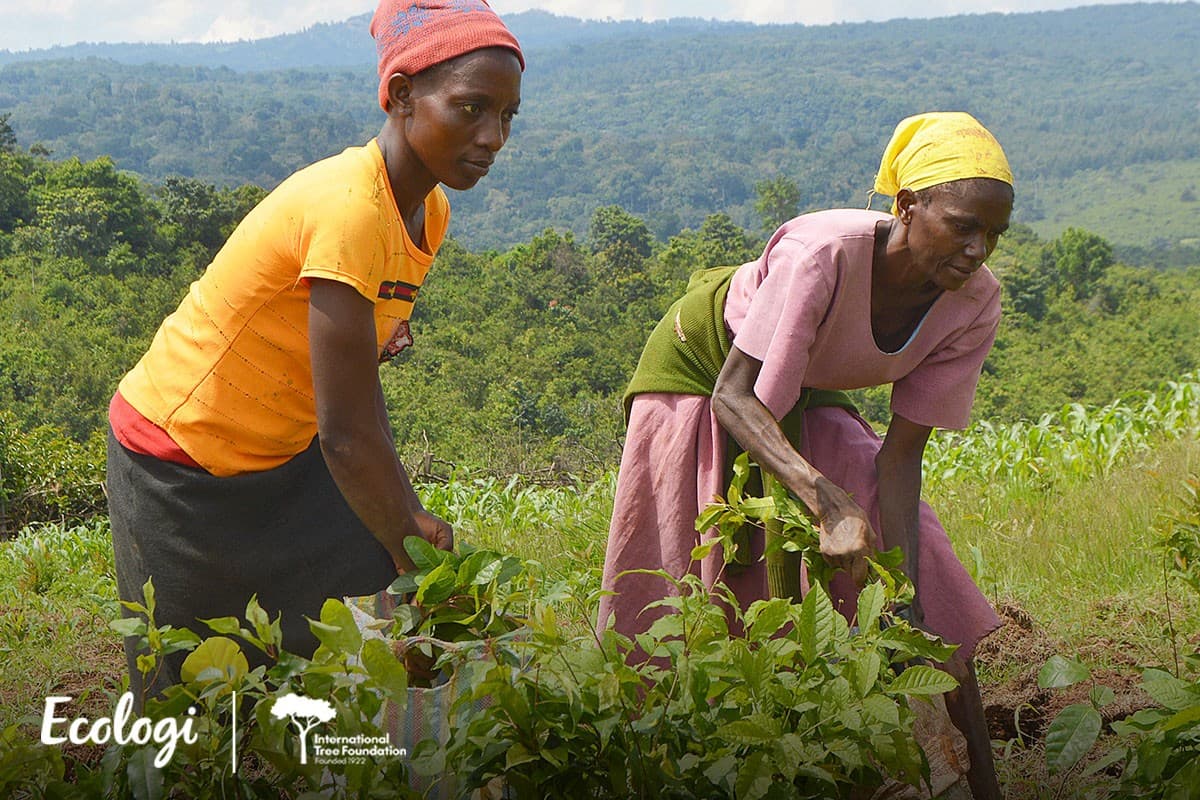
The Non-Timber Forest Products (NTFPs) in the forest, including medicinal herbs, honey, wild fruits, and nuts, have declined over time as the natural indigenous forest has degraded. To support both conservation and livelihoods, the project will promote the cultivation of high-value, locally valued fruit trees, including macadamia, oranges, and avocados, as an income-generating activity.

Open-fire cooking remains widespread in the project area, contributing to respiratory illnesses and environmental degradation. To address this, ITF will promote 300 improved cookstoves, reducing pressure on forests and improving community health. Clean cooking not only advances SDGs on energy (7), health (3), and gender equality (5), but also supports livelihoods, climate action (13), and poverty reduction (1), with ripple effects across 10 of the 17 global goals

Community members will be trained in fire prevention and firefighting. The volunteers will put up fire rating signs to increase the awareness of the surrounding community members on the current fire risk situation.

Overall, the communities in Nandi County will gain improved livelihoods and increased food security while the South Nandi block of Kakamega Forest regains its ecological health and integrity.

SDGs supported

No Poverty

Through reforestation, job creation, community empowerment, and clean energy solutions, this project directly contributes to SDG 1. It improves income stability through the employment of 6 community scouts for the nurturing, aftercare, and post-planting maintenance of trees. Furthermore, the project will scale the empowerment of the local Community Forest Associations (CFAs) to take leadership in forest management and protection, thereby improving local livelihoods and fostering a sense of community ownership.

Gender Equality

Women and girls in the project area disproportionately bear the burden of collecting firewood and cooking over open fires, exposing them to health risks and limiting their time for education or income-generating activities. To address this, the project promotes the adoption of 300 clean cookstoves, reducing indoor air pollution and pressure on forests. A training session will be held for gender mainstreaming in natural resource management, which will include practical skills training on installation of improved cookstoves mainly targeting women. The clean cooking sector provides opportunities for female entrepreneurs to engage in a growing market and support their livelihoods.

Clean Water and Sanitation

Kakamega Tropical Rainforest, Kenya’s only remaining fragment of the Congo-Zaire rainforest, stands at a critical juncture. This vital ecosystem plays a crucial role in supporting wildlife, regulating freshwater sources. The site serves as the source of the Kaon River, which flows into the Yala River and feeds into the Lake Victoria basin, supporting the livelihoods of over 4 million smallholder farmers downstream.

Affordable and Clean Energy

Access to clean cooking contributes to access to modern and clean energy.

Climate Action

Restoring the last fragment of tropical rainforest in Kenya aims to take urgent action to combat climate change and its impacts.

Life on Land

Phase 4 aims to plant a total of 106,383 trees (80k reforestation in forest pockets and 26,383 in smallholder farms) during the short rain season of September to December 2025. The new phase proposal also seeks to deliver the restoration of 90 Hectares of degraded areas in Kakamega Tropical Rainforest and small-holder lands. This aligns with SDG 15 to sustainably manage forests and halt biodiversity loss.

Verification

These partners help deliver the project and verify its impact.

Suppliers

International Tree Foundation

International Tree Foundation is a charity working with local communities to plant trees and restore forests in places where, together, we can make the fastest, most lasting impact for communities and the future of our planet.