
Climate
The trees will help capture carbon, reduce wind and water run-off, improve the local environment and provide a lasting green asset for the community.
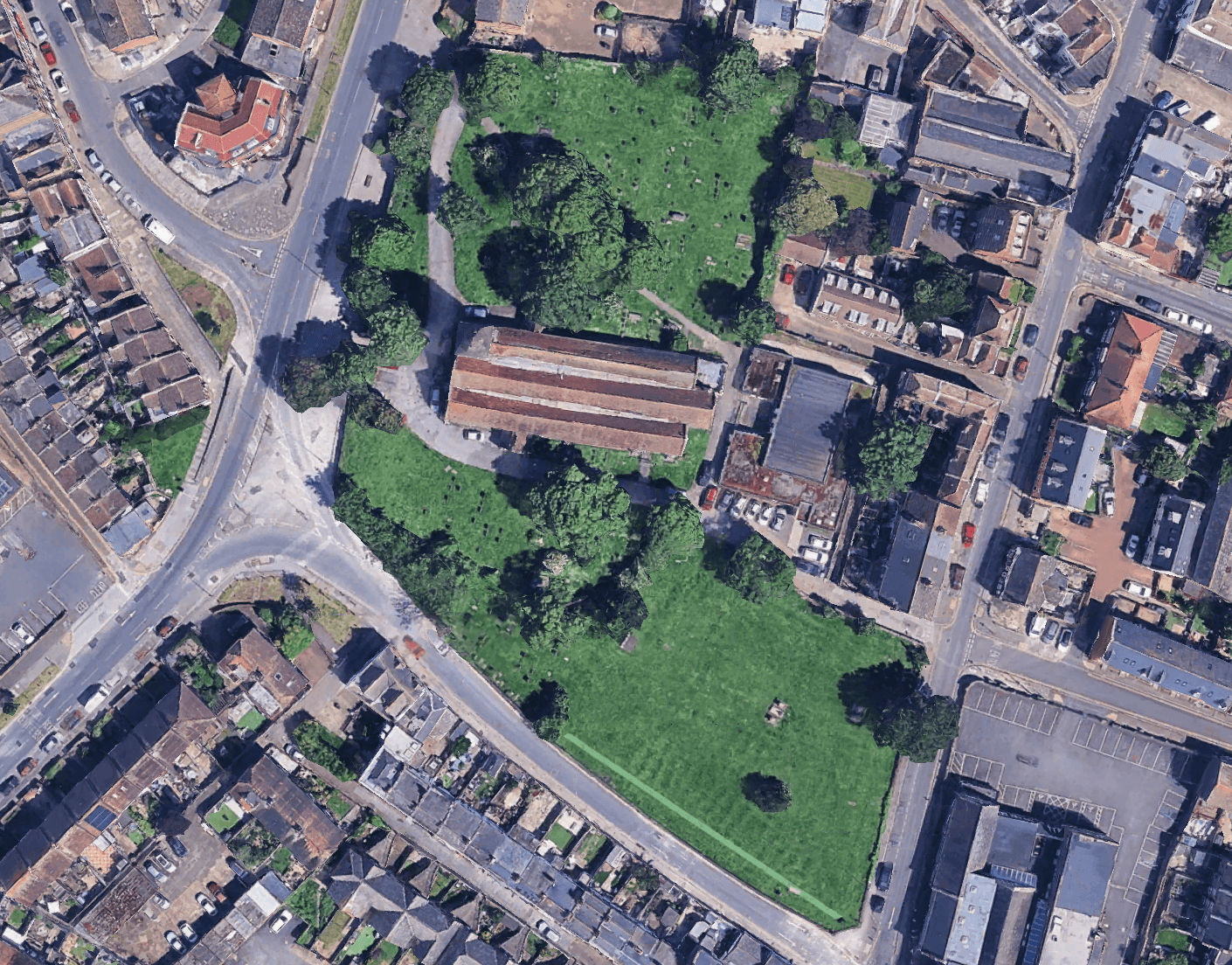
The Isle of Thanet faces significant environmental and social inequalities, with urban neighbourhoods among the 2% most deprived in England and the lowest tree canopy cover in Kent, at just 4%. As a result, many local residents have limited access to nature and experience some of the county’s greatest Tree Equity deficits. Building on the success of previous projects, where 160 local volunteers came together to establish urban mini-woodlands suited to Thanet’s poor chalk soils, this project will extend the community-led approach across the district.

Reforestation replants trees on land hit by natural or human disturbance. It restores forest structure and canopy, protects biodiversity and watersheds, and promotes carbon sequestration.
Across the planting of 3,000 trees, the project will establish a new native mini-woodland and two urban hedges, creating biodiverse habitats that provide benefits for both people and wildlife. The planting will increase tree and vegetation cover, improve habitat connectivity and provide valuable green space in areas with limited access to nature. Community involvement in planting and aftercare will also build local skills and ownership, helping to ensure the new habitats are protected and maintained for the long term.
The trees will help capture carbon, reduce wind and water run-off, improve the local environment and provide a lasting green asset for the community.
This project plants a rich mix of 19 tree and shrub species, creating a layered, diverse habitat. Pedunculate oak (Quercus robur) supports hundreds of insect species, which in turn feed birds and bats, while alder (Alnus glutinosa), silver birch (Betula pendula) and hornbeam (Carpinus betulus) provide seeds and catkins for small birds and early pollinators.
Blossom from wild cherry (Prunus avium), blackthorn (Prunus spinosa), hawthorn (Crataegus monogyna) and field maple (Acer campestre) offers a vital spring food source for pollinators, and berries and fruit from rowan, bird cherry, dogwood, whitebeam and hawthorn feed birds and small mammals through autumn and winter. Dense, thorny shrubs add safe nesting cover, and Scots pine (Pinus sylvestris) brings evergreen structure and winter shelter.
Because the species flower, fruit and leaf at different times, the woodland provides food and habitat across the seasons and will be more resilient to pests, disease and a changing climate.
The project has been shaped by strong community involvement in previous planting activities, including participation from a Scout group, the WI, Kent Refugee Action, a local primary school and many local residents. Participants are welcomed with refreshments and introduced to the benefits of trees for urban biodiversity, followed by practical demonstrations on tree planting and long-term care. Feedback from last year has directly informed this year’s planning, including scheduling planting sessions during school holidays or at weekends to make them accessible to families and children.
The project will provide local residents with increased access to nature and greener, more biodiverse spaces in an area with low tree canopy cover. The new woodland and hedges will create attractive places for people to enjoy, helping support physical and mental wellbeing while providing opportunities to learn about trees, wildlife and caring for the environment. At least 100 local people will have the opportunity to take part in planting activities, strengthening connections between residents and their local green spaces.
The project will also build longer-term community involvement through tree-care days and the new Thanet Tree Care Club. Volunteers will be able to return to care for the trees they have planted, developing practical skills and a sense of ownership. By bringing together residents, schools, community groups and other local organisations, the project will strengthen community connections while creating lasting benefits for both people and urban biodiversity.
Engagement will continue throughout implementation and after planting. Volunteers will be encouraged to take ownership of the trees they plant, with labels allowing them to add their names or messages, while woodland signs will include QR codes linking to tree-care guidance. Participants will be invited to return to care for their trees and join ongoing community care sessions. The launch of the Thanet Tree Care Club this year will provide a structured way for local people to remain involved in the long-term management and care of the new woodland and hedges.

Planting 3,000 trees across a new native mini-woodland and two urban hedges captures carbon and reduces wind and water run-off in an area with just 4% tree canopy cover, the lowest in Kent.

A rich mix of 19 native tree and shrub species creates a layered, diverse habitat suited to Thanet’s poor chalk soils. Oak supports hundreds of insect species that feed birds and bats, blossom from cherry, blackthorn, hawthorn and field maple provides spring food for pollinators, and berries feed birds and small mammals through autumn and winter. Dense, thorny shrubs add safe nesting cover, and the planting improves habitat connectivity in an urban area with limited access to nature.
These partners help deliver the project and verify its impact.

International Tree Foundation is a charity working with local communities to plant trees and restore forests in places where, together, we can make the fastest, most lasting impact for communities and the future of our planet.