

Carbon avoidance
Improved stoves in Honduras
Overview
Site
Benefits
Verification
Context
Honduras is a Central American country with Caribbean Sea coastlines to the north and the Pacific Ocean to the south. Only 53.1% of its population of almost 10 million have access to clean fuel for cooking. The rest use solid fuels, mostly wood, to cook on open fires or traditional stoves. This requires time and energy to collect fuel, and releases toxic gases, making it a primary risk factor for deaths and in-health from indoor air pollution.
Burning wood for fuel also results in high levels of deforestation. From 2001 to 2019, Honduras lost 1.10 Mha of tree cover, equivalent to a 14% decrease in tree cover since 2000 and 362 megatonnes of CO2 emissions.
Project
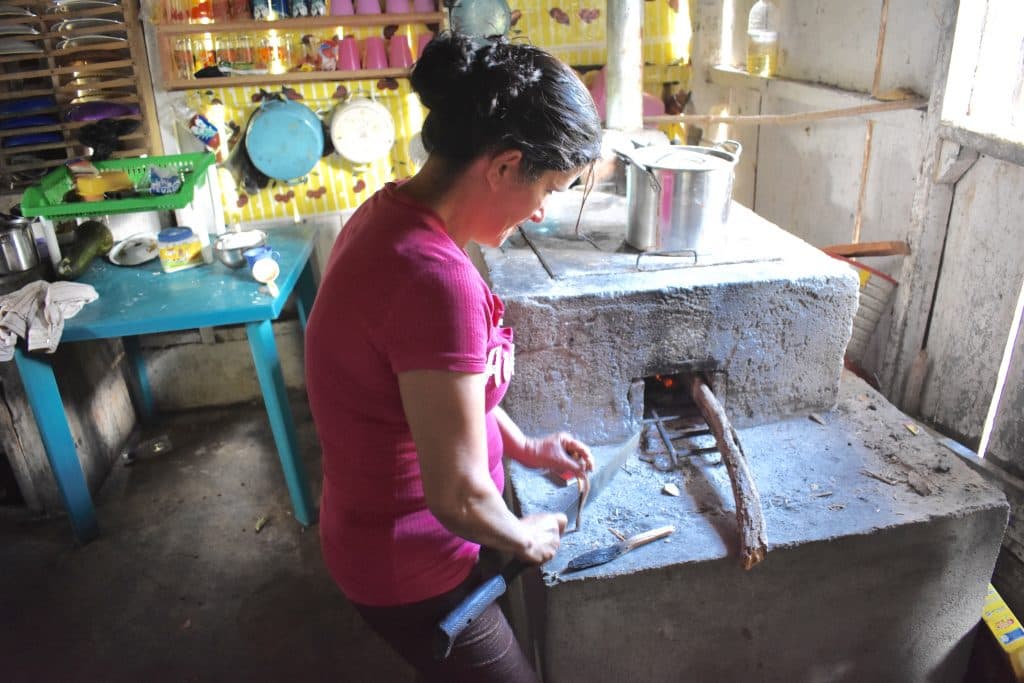
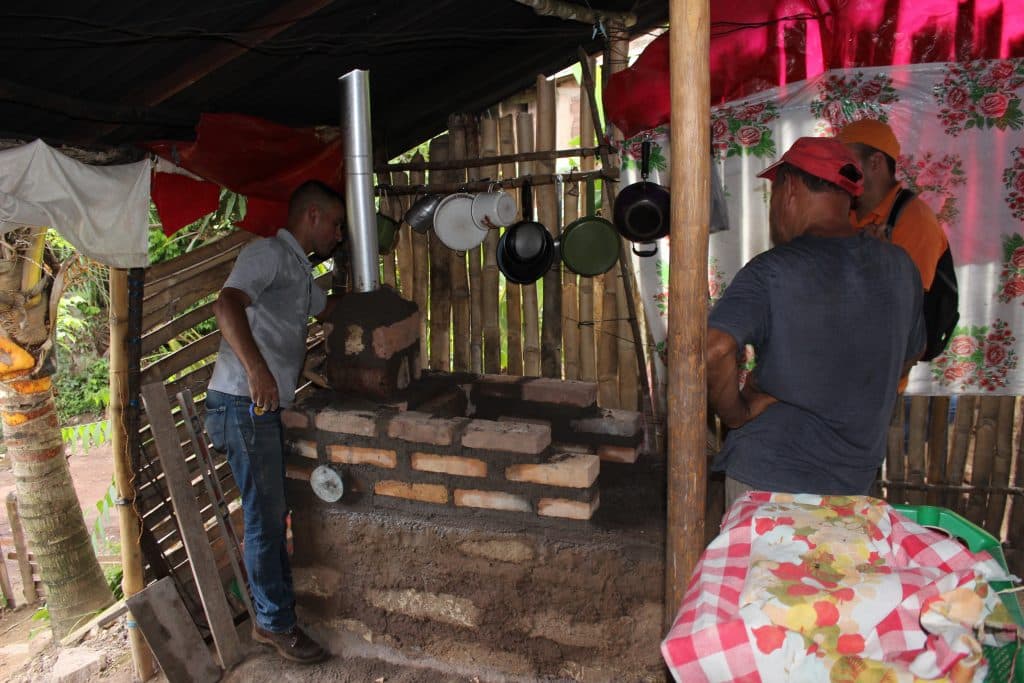
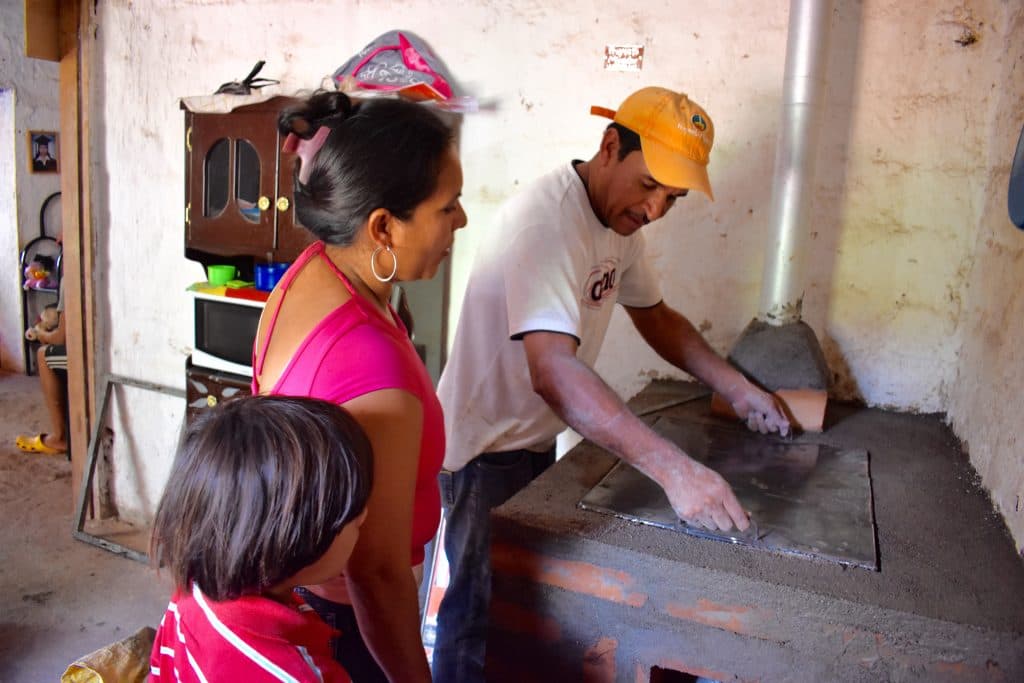
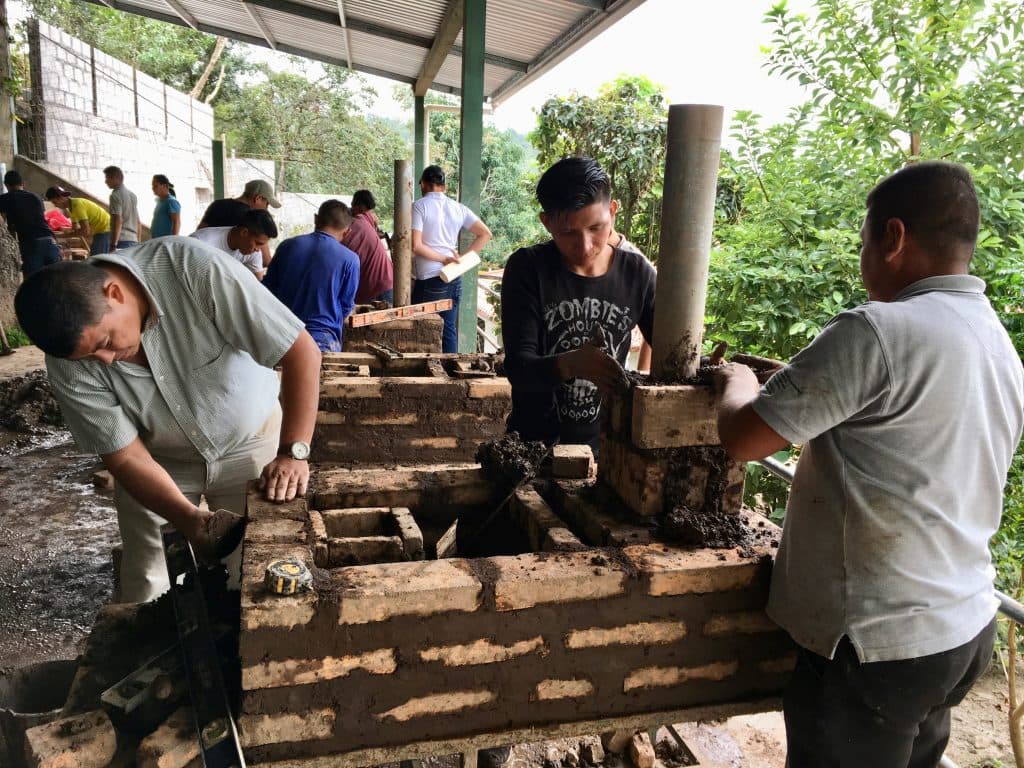
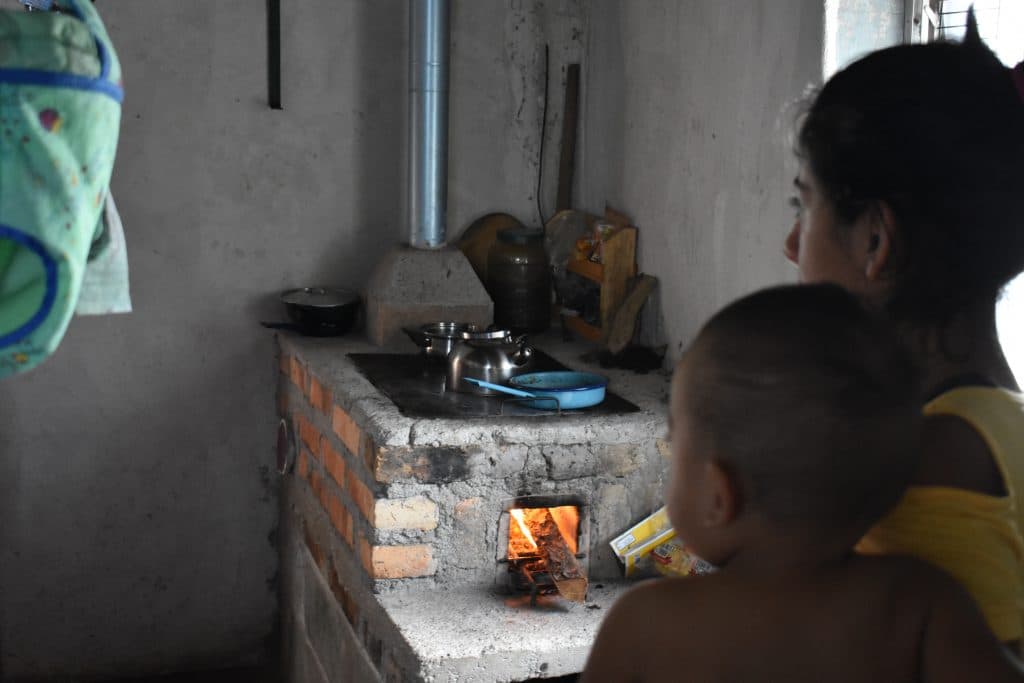
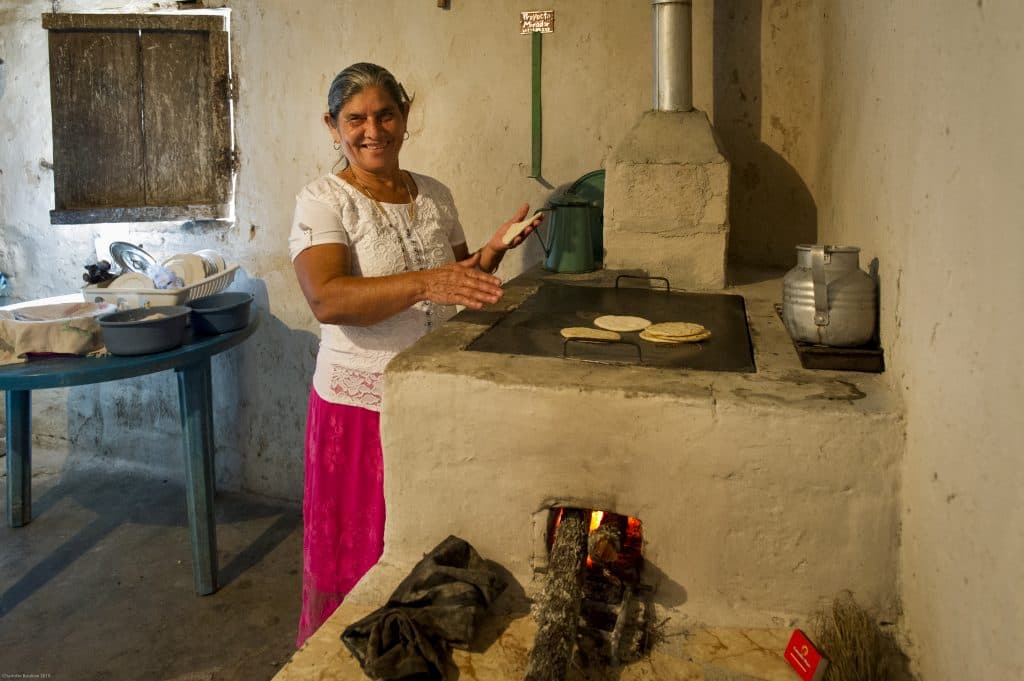
This Dor por Tres Cookstoves project provides improved cookstoves to rural communities in Honduras, reducing greenhouse gas emissions, air pollution, and deforestation.
The cookstoves are called ‘Dor por Tres’ which translates in Hondoran slang to ‘in an instant’, referring to the quick wood savings and improvements in health and home cleanliness they deliver. Laboratory tests show that the Dos por Tres reduced carbon monoxide emissions and particulate matter by 79%, carbon dioxide by 43% and methane by 94% compared to traditional stoves.
The provision of these stoves within communities will reduce the demand for wood; therefore easing pressure on the natural environment; reducing deforestation and forest degradation; and reducing emissions of greenhouse gas released during the combustion process. Annually this project activity will lead to greenhouse gas emissions reductions of 426,606 tonnes. The project will also improve the health of women and children who are primarily responsible for cooking.
From an economic perspective, the project will contribute to the scale-up of local business and organisations, with the potential to create jobs in manufacturing, retail, marketing and distribution. The Dos por Tres stove is constructed from readily available, inexpensive materials that are all sourced from the local area.
Verification
This project is verified by the Gold Standard. You can view it on the Gold Standard registry here.

Climate Solution #21
Improved clean cookstoves
Improved clean cookstoves can address the pollution from burning wood or biomass in traditional stoves. Using various technologies, they reduce emissions and protect human health.
Around the world, 3 billion people cook over open fires or on rudimentary stoves. As these burn, often inside homes or in areas with limited ventilation, they release plumes of smoke and soot liable for 4.3 million premature deaths each year. Traditional cooking practices also produce 2 to 5 percent of annual greenhouse gas emissions worldwide.
A wide range of “improved” cookstove technologies exists, with a wide range of impacts on emissions. Advanced biomass stoves are the most promising. By forcing gases and smoke from incomplete combustion back into the stove’s flame, some cut emissions by an incredible 95 percent.
Photos
Locations
Honduras
Benefits
Sustainable development goals
These Sustainable Development Goals show the wider outcomes this project supports beyond its headline impact.


Verification
These partners help deliver the project and verify its impact.
Verifier

Gold standard
This project is verified by the Gold Standard.