Carbon removal

Restoring indigenous trees in the Ethiopian Montane woodlands

Restoring indigenous trees in the Ethiopian Montane woodlands

Why support this project?

TIST Kenya combines large scale tree planting with a grassroots model that puts smallholder farmers at the centre of restoration. Rather than planting forests separately from local communities, the project supports farmers to plant and care for trees on their own land, while retaining ownership of both the trees and the products they provide. Across more than 18,000 small farms, this approach is helping restore tree cover to a landscape that experienced extensive deforestation during the twentieth century. Farmers also receive a direct share of carbon credit revenue, meaning the financial benefits generated by growing and maintaining trees can flow back to the people responsible for delivering the restoration.

How does growing vegetation remove carbon?

Afforestation, reforestation and revegetation differ by land-use history. ARR projects restore tree and vegetation cover on degraded or non-forested land, removing CO₂ through biomass and soil carbon.

Project summary

The International Small Group and Tree Planting Program, or TIST, has been working with farming communities in Kenya since 2004, bringing farmers together into small groups to plant, maintain and monitor trees. TIST Kenya 006 aims to establish trees across approximately 18,100 individual farms in rural Kenya, where historical deforestation has left natural forest highly fragmented. Farmers integrate a mixture of native, food-producing, and commercially useful trees into their existing agricultural land, allowing restoration and food production to take place alongside one another. The wider programme also provides training and organisational support, helping farmers build knowledge and skills that can strengthen their farms and livelihoods over the long term.

Locations

Abela Gefeta, Ethiopia

Benefits

Climate

Planting and maintaining trees across thousands of smallholder farms increases carbon storage within a landscape that has experienced widespread historical deforestation. As the trees mature, they remove carbon dioxide from the atmosphere and store carbon within their biomass, while increasing vegetation cover can help protect agricultural land from further degradation. Importantly, farmers have a direct financial interest in maintaining healthy trees through the project's carbon revenue model, helping connect long term carbon storage with benefits for participating households.

Nature

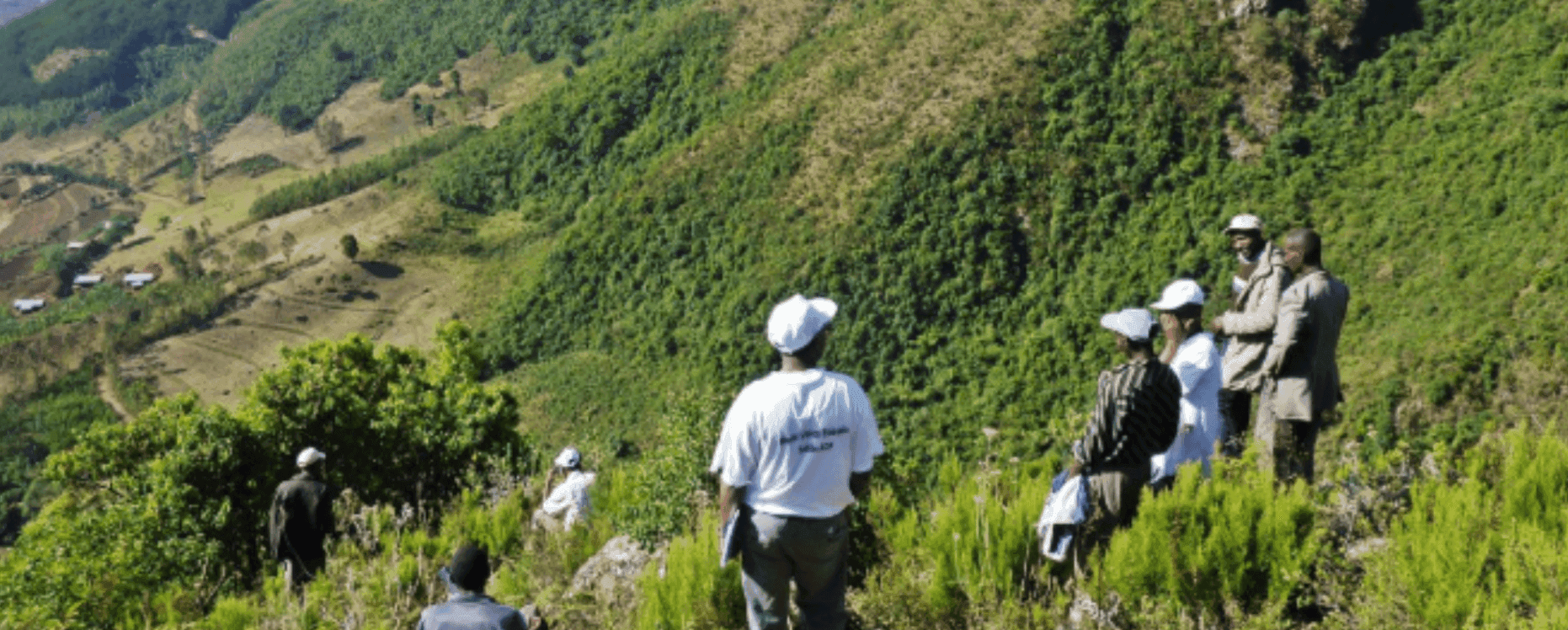
Restoring tree cover across a fragmented agricultural landscape helps bring greater ecological diversity back to areas where much of the original forest has been lost. The project plants a variety of species, with native and food bearing trees forming an important part of the planting mix alongside commercially useful species such as eucalyptus. Increasing tree cover can provide additional habitat and improve connectivity for wildlife, while tree roots and vegetation help stabilise soils, reduce erosion and improve overall ecosystem health. Integrating trees into farms also allows these environmental benefits to develop without removing productive agricultural land from local communities.

The project utilises Farmer Managed Natural Regeneration (FMNR) techniques alongside traditional forest establishment and supplemental planning to restore root stock and promote rapid forest recovery. The project is actively working to reduce soil erosion and local flooding, stabilising degraded slopes, protecting fragile water catchment areas, and improving the regional water supply by maintaining subterranean streams. Over a 15-year period, 87 native tree species have been documented and conserved within the project area, this exceeded the aim of 40. These native trees serve as a refuge for local and migratory species and work to improve connectivity between fragmented forest resources.

People

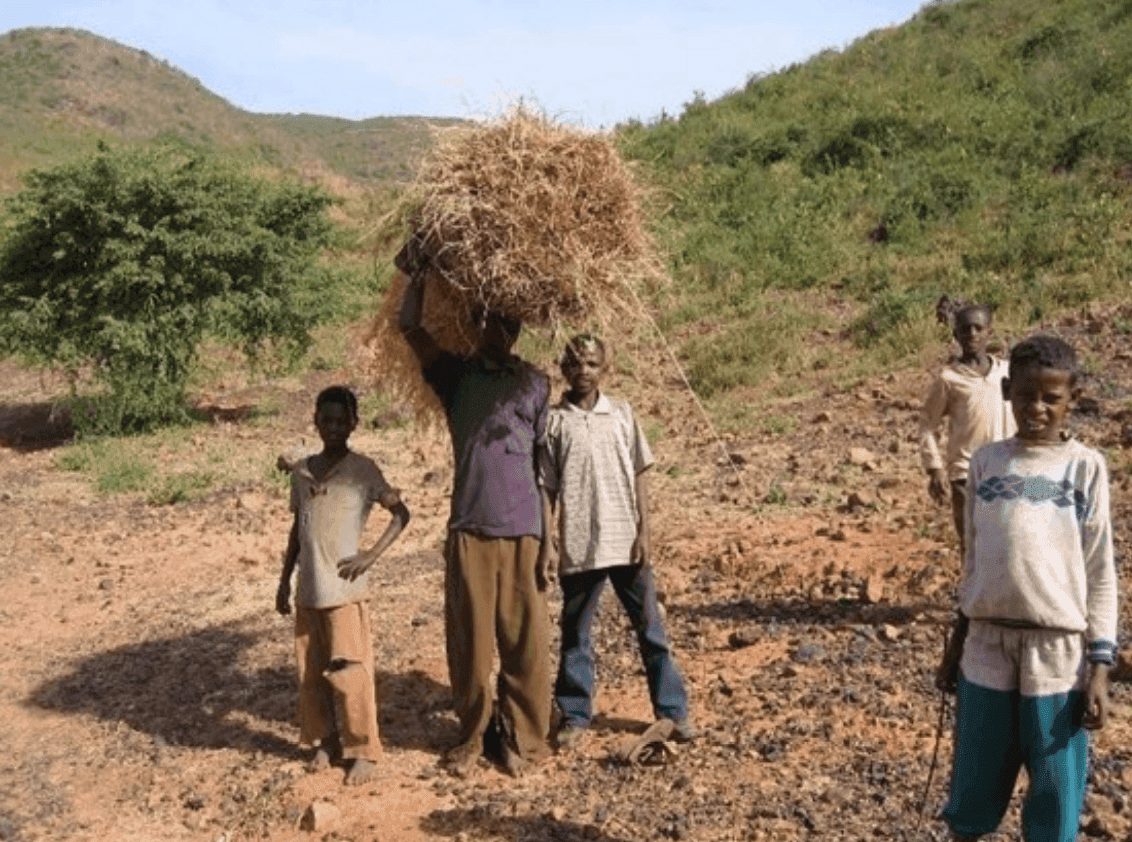
The project has been established with seven community cooperative societies, granting them legal land user rights ownership over the communal project land. The project has created 195 regular (full-time and part-time) jobs and livelihoods for community members through operation and management of forestry cooperatives, unions, and cooperative run businesses. The project encourages women’s participation and leadership, resulting in women holding 22% of the managerial roles within the various management cooperatives. As the forest recovers from historic degradation, local populations are provided with an income stream through the sustainable harvesting of forest resources. The controlled pruning and thinning activities generate an increasing supply of fuelwood, providing between 1.6 and 1.9 tonnes of fuelwood per hectare annually for community use. 

The project is working to build capacity by conducting extensive training, racing a total of 1,031 participants during the third monitoring period (2017-2021). The training covered forest management, carbon stock estimation, biodiversity monitoring, bird survey techniques, value chain development, and conservation.

SDGs supported

No Poverty

The project has created 195 jobs through the seven forestry cooperatives, providing stable income for local households. The establishment of seven community cooperatives with legal ownership of 2,724 hectares ensures that local people directly benefit from forest restoration. The project supports poverty reduction through employment, income diversification, and community-led resource management.

Gender Equality

The project promotes gender equality by empowering women economically, improving participation in leadership, and ensuring equitable access to project benefits.

Decent Work and Economic Growth

The project fosters inclusive and sustainable economic growth through job creation, cooperative-based enterprise development, and skill-building through training sessions.

Climate Action

The project directly supports SDG 13 by reducing greenhouse gas emissions, enhancing adaptive capacity, and promoting community-based climate resilience.

Life on Land

Restoration of indigenous tree species in the Ethiopian Montane woodlands protects a highly threatened ecosystem and halts land degradation. The area now hosts 87 tree species, creating diverse habitats for vulnerable and endangered species listed by the IUCN Red List.

Verification

These partners help deliver the project and verify its impact.

Suppliers

World Vision Ethiopia

World Vision has a long history of taking action that transforms the world. Our focus is on helping the most vulnerable children, in the most difficult places, overcome poverty and experience fullness of life.