
Sylvera A Rating
In October, San Miguel Chimalapa receives an ex-post A rating from Sylvera, recognising its carbon accounting, forest management, and environmental and social benefits.
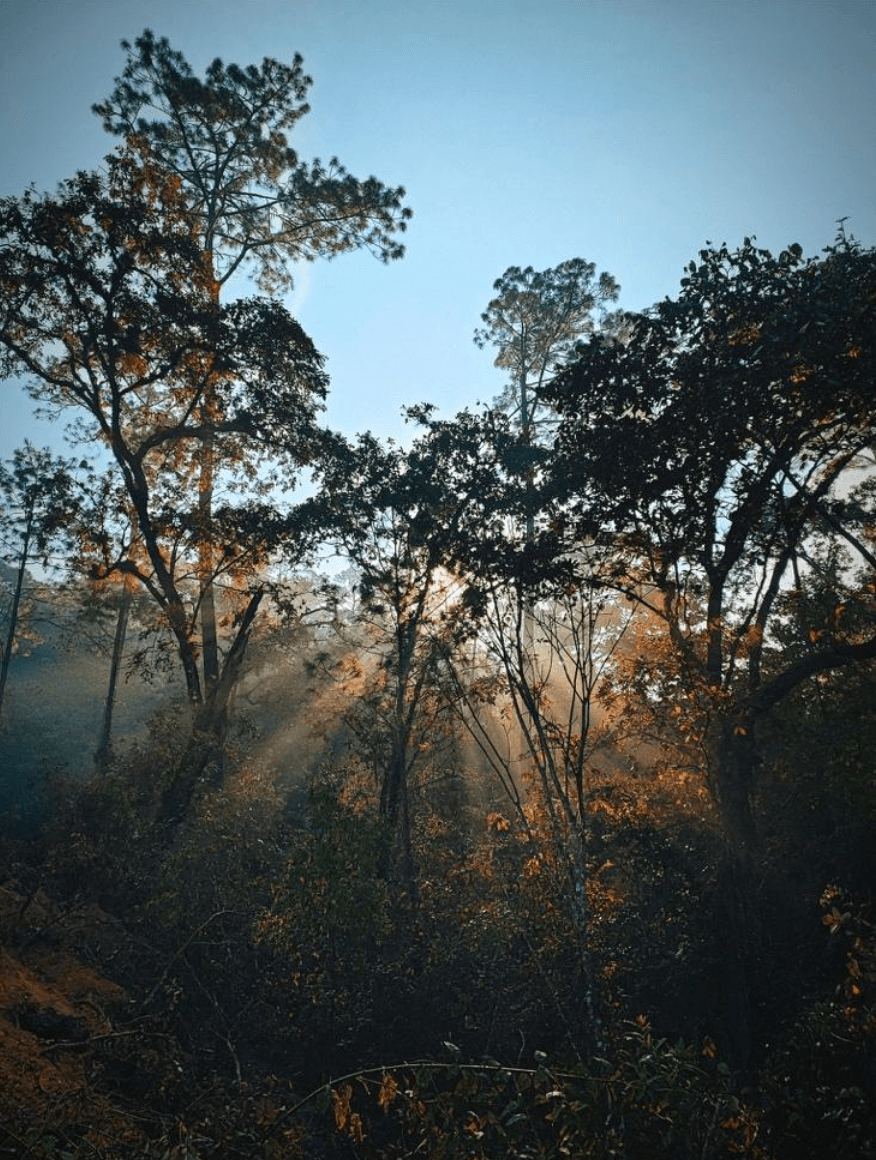
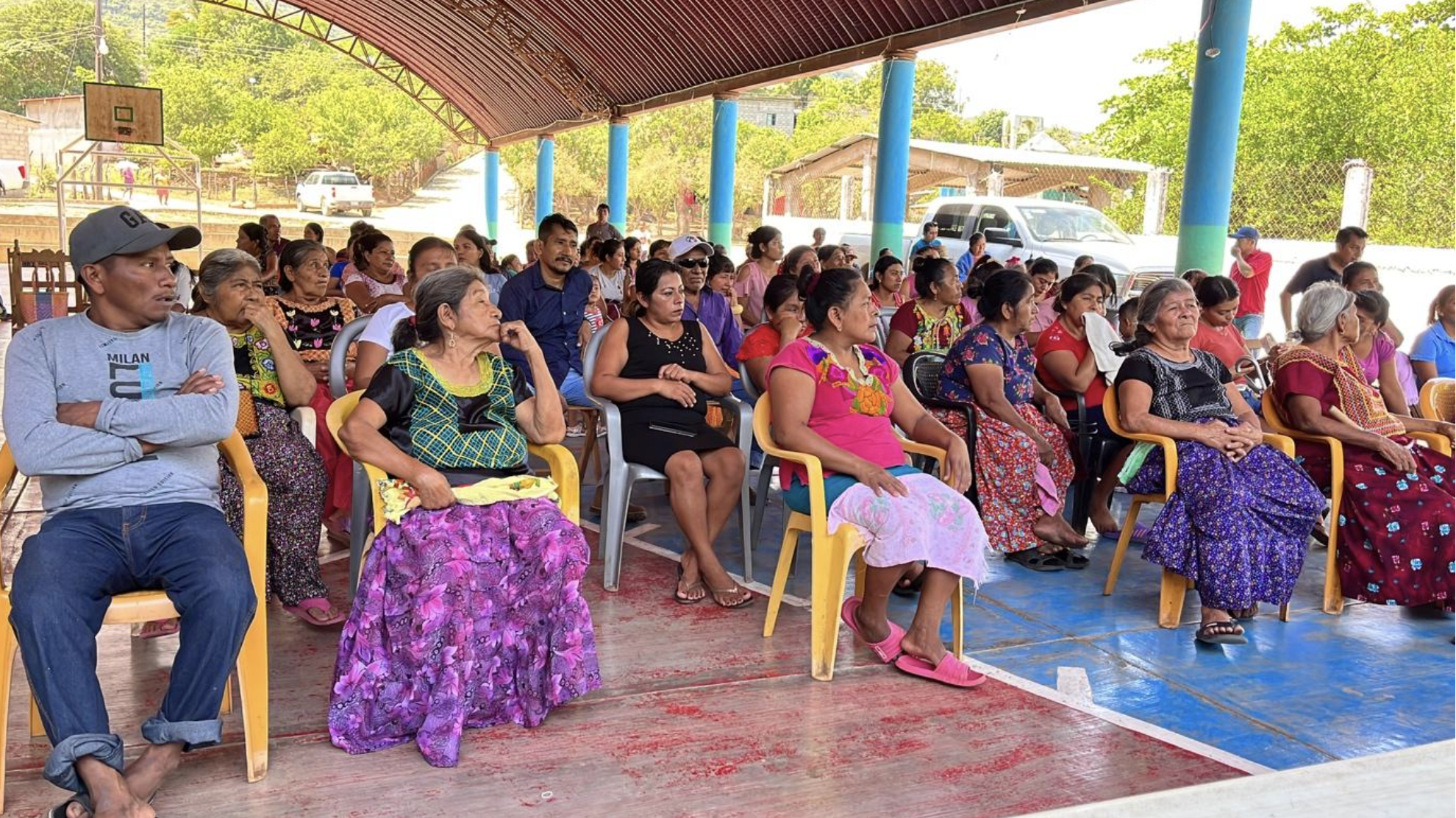
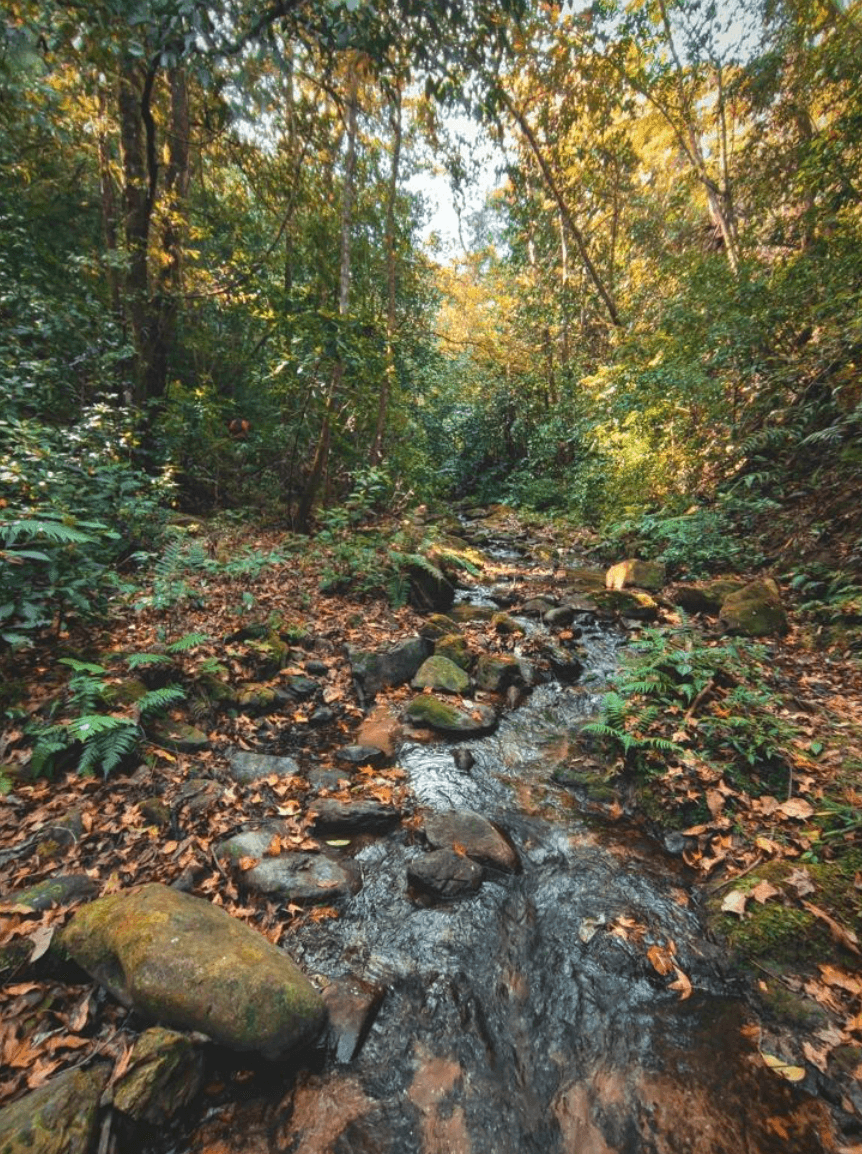
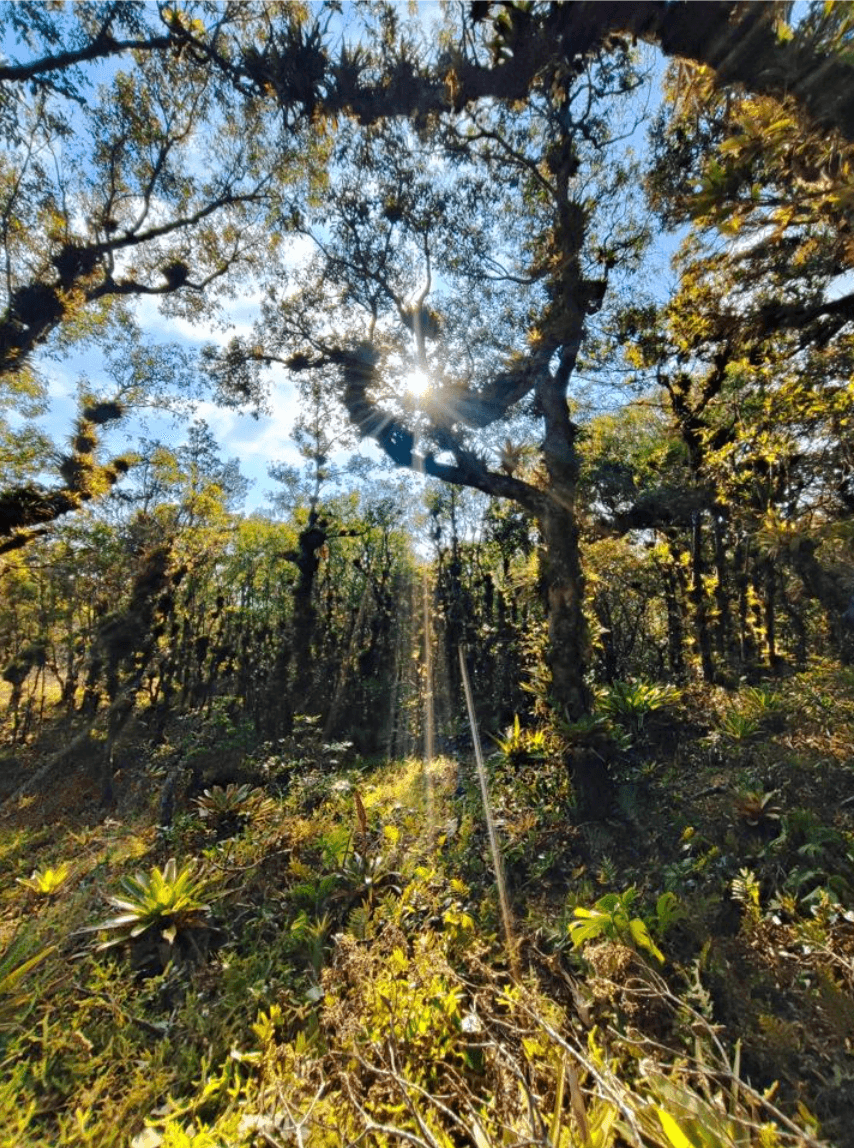
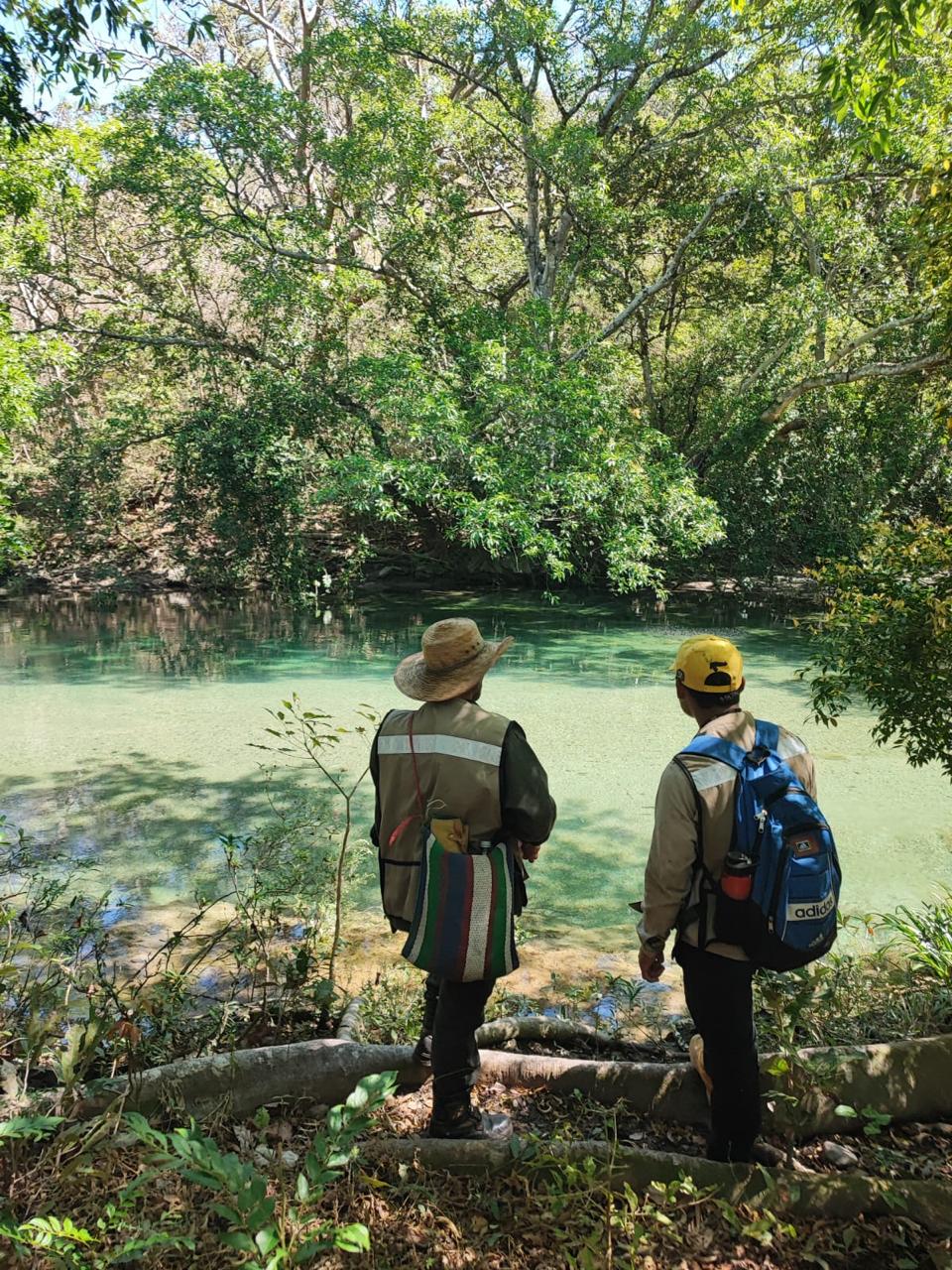
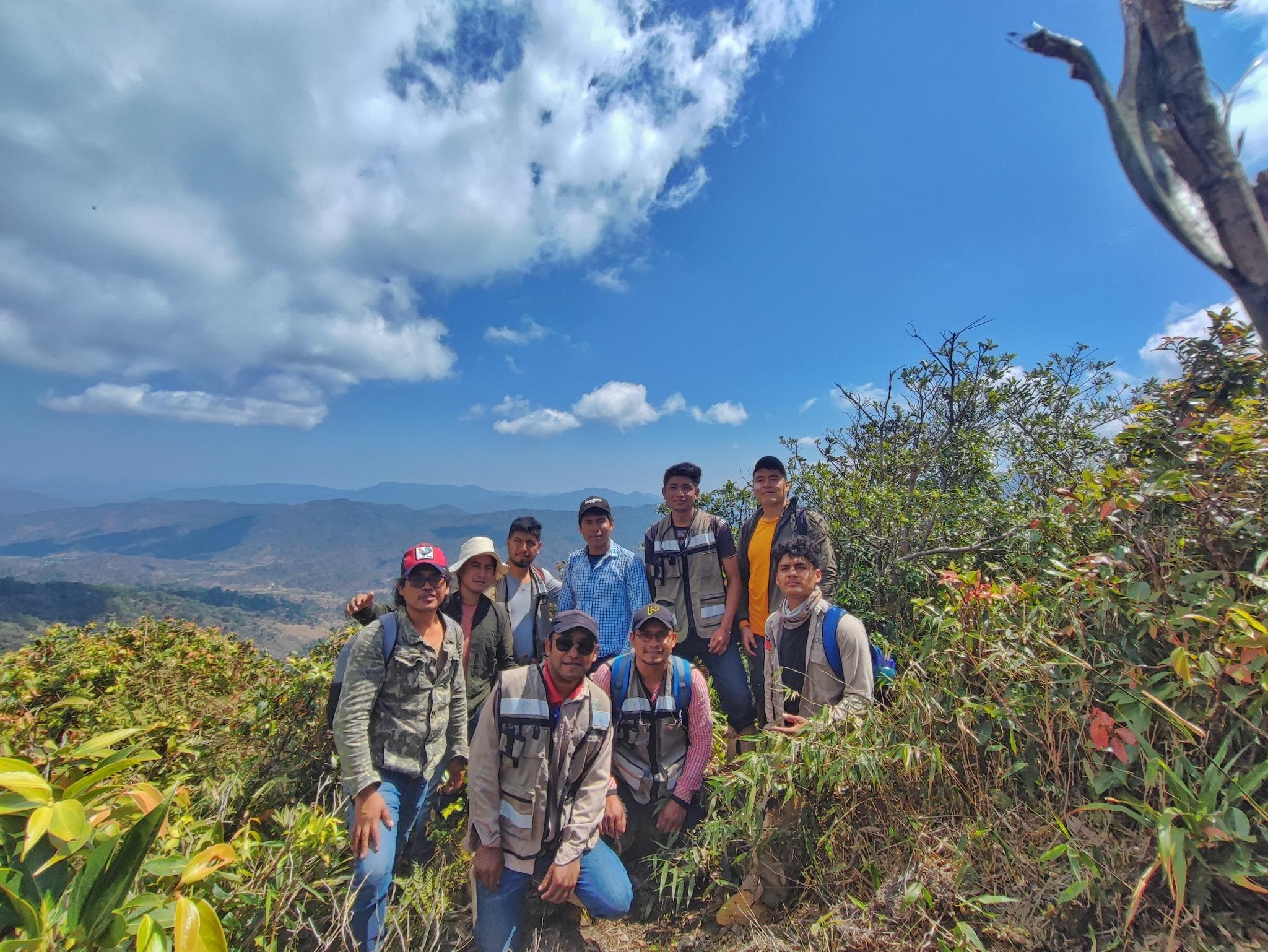
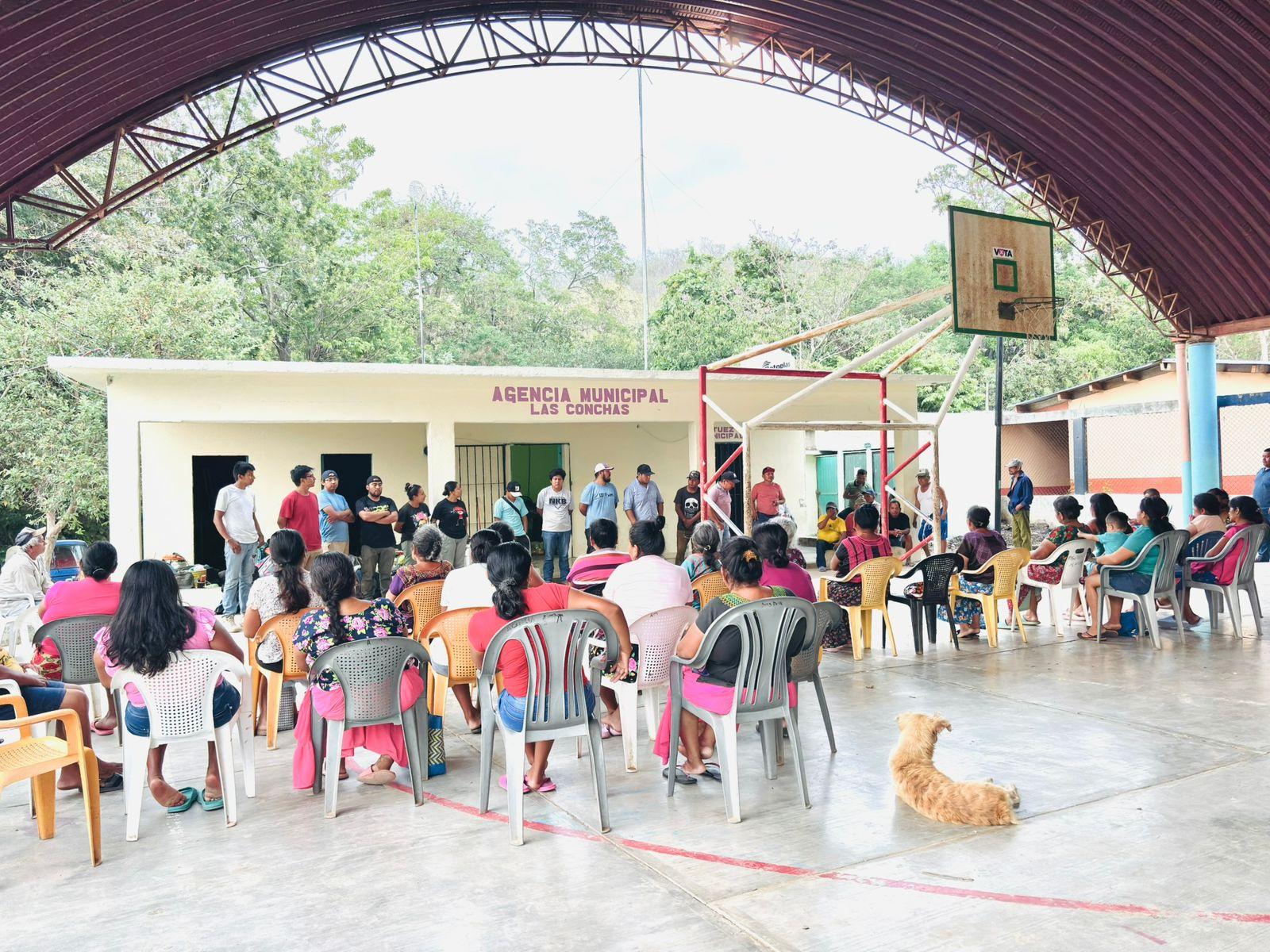
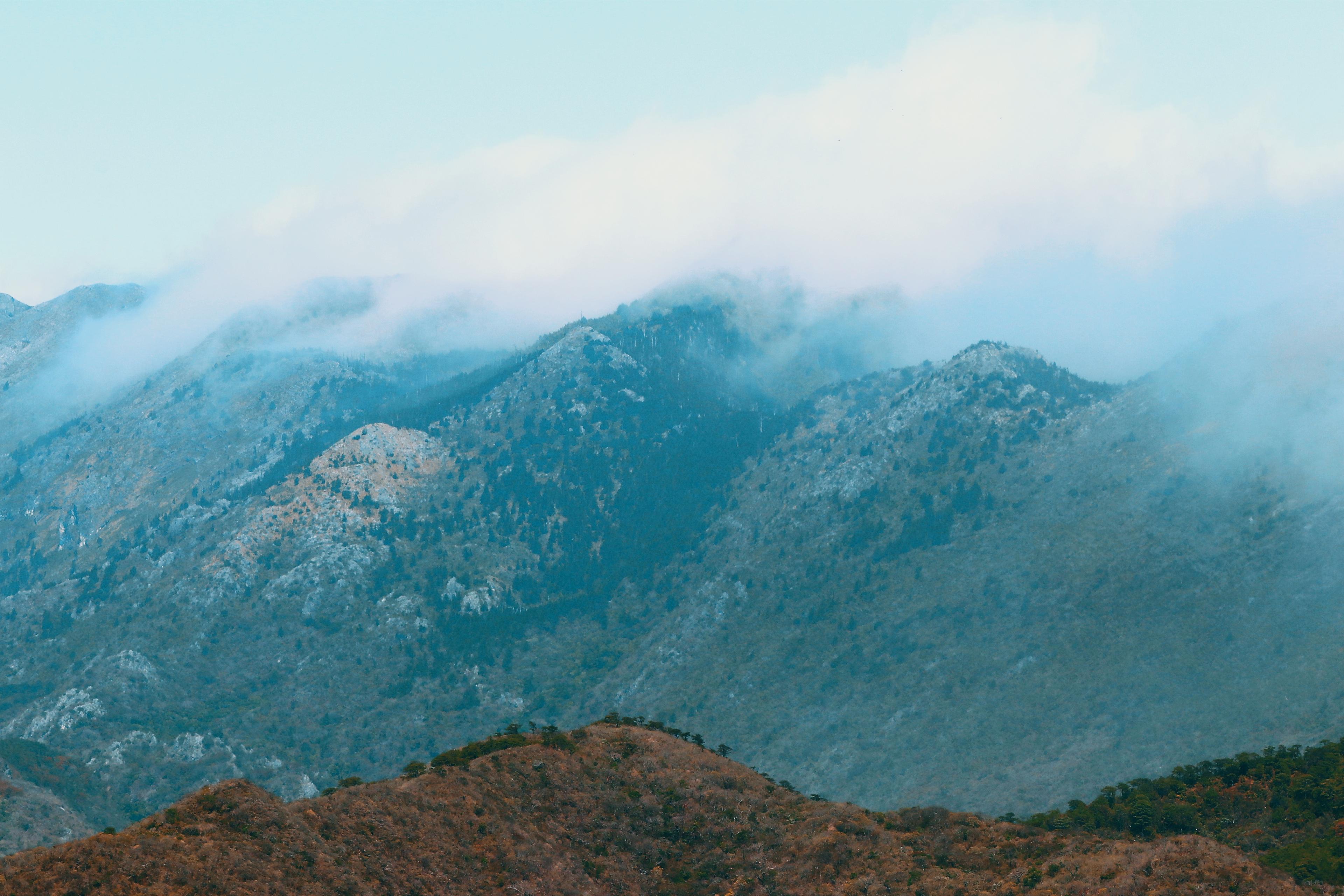
San Miguel Chimalapa is one of the largest Indigenous-led forest carbon projects in Latin America. Located in Oaxaca, Mexico, it spans a remarkable 134,000 hectares, an area comparable in size to Los Angeles or Mexico City.
The project spans across a diverse range of ecosystems, from cloud forests and tropical rainforests to pine and oak woodlands. San Miguel Chimalapa is home to the Indigenous Zoque people – descendants of the ancient Olmec civilization – and is notable for hosting remarkable species such as the jaguar, the resplendent quetzal and the harpy eagle. It is one of the few places in the American continent where tropical forests have remained relatively intact, making it a stronghold of biodiversity, Indigenous culture, and a living testament to the importance of conservation.
The San Miguel Chimalapa project combines high-impact carbon removal at scale with strong community leadership and transparent governance. By transitioning land from timber production to long-term conservation and backed by independent top-tier ratings and a 100-year commitment, it delivers proven ecological protection alongside tangible socio-economic benefits for the Indigenous Zoque people.
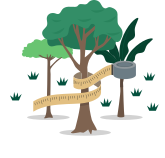
Afforestation, reforestation and revegetation differ by land-use history. ARR projects restore tree and vegetation cover on degraded or non-forested land, removing CO₂ through biomass and soil carbon.
The Chimalapas region is one of Mesoamerica's most important forest landscapes and has been home to the Indigenous Zoque people for generations. Despite its exceptional ecological value, the region faces growing pressures from illegal logging, wildfires, forest degradation, and climate change.
Before the carbon project, the community's approved Forest Management Plan covered 91,376.88 hectares designated for forest management and potential timber production. The San Miguel Chimalapa project was developed in partnership with the community to offer a different economic path, one that places greater value on keeping forests standing, storing carbon, protecting biodiversity, and creating new sources of income.
Through carbon finance, the project supports improved forest management, conservation, and restoration activities, while providing the community with the resources needed to protect its forests and invest in its long-term development.
Follow the latest milestones and updates from this project.
In October, San Miguel Chimalapa receives an ex-post A rating from Sylvera, recognising its carbon accounting, forest management, and environmental and social benefits.
In May, the project successfully completes its first independent verification, followed by the issuance of approximately 400,000 CCP-labelled Climate Reserve Tonnes (CRTs).
Forest management and conservation activities expand, including wildfire prevention, restoration, forest nursery operations, and biodiversity monitoring. The community also renews its 100-year commitment to the project through annual General Assemblies.
On July 8, the Zoque people unanimously approves the carbon project, with 639 community members voting in favour. The project begins under the Climate Action Reserve's Mexico Forest Protocol v3.0.
The community establishes its Forest Management Plan and lays the groundwork for a new approach that combines sustainable forestry with carbon conservation.
Through improved forest management, assisted natural regeneration, and restoration, the project helps increase the amount of carbon stored in its forests. Fire prevention, forest surveillance, and regular monitoring help protect these carbon stocks from natural and human threats.
The project helps protect wildlife habitats, restore degraded areas, and maintain healthy ecosystems by reducing pressure on forests and improving their management. Local brigades carry out biodiversity monitoring, forest restoration, and conservation activities that help preserve the region's natural richness.
The project creates jobs and training opportunities for local residents, while providing the community with a new and diversified source of income. Carbon revenues support initiatives that improve everyday life, strengthen local governance, and help families build a more sustainable future without having to rely solely on traditional forest-based activities.

Generates income through carbon revenues, sustainable timber sales, and local employment in a community where 76.8% of the population lives in multidimensional poverty. The community receives 53.5% of carbon revenues, with half of its share reinvested through the Sustainable Territorial Management Plan (STMP).

Promotes agroforestry and silvopastoral systems that reduce pressure on forests, improve soil fertility, and diversify agricultural production. Technical assistance supports small-scale Indigenous producers and strengthens long-term food security.

Provides medical and accident insurance to participating community members, supports access to essential medicines, and has distributed approximately 450 fuel-efficient cooking stoves to reduce indoor smoke exposure.

Encourages women's participation in forest management, governance, and technical brigades, with women representing approximately 43% of forest fieldwork personnel. The project also supports equal access to wages, social protections, financial services, and project benefits.

Protects the headwaters of the Coatzacoalcos and Grijalva-Usumacinta river basins. Forest conservation and restoration help maintain natural water flows, improve infiltration, and reduce erosion and sedimentation.

Creates jobs in forest management, fire prevention, restoration, carbon measurement, and biodiversity monitoring. Participating community members receive MXN 600 per day (double the regional average), along with insurance and professional training.

Uses the community's traditional Zoque assembly structure to ensure Indigenous participation in decisions and benefit distribution. A portion of the STMP budget specifically supports the six most marginalized congregations.

Strengthens resilience across San Miguel Chimalapa's 19 congregations through community-led planning and investment. The STMP supports environmental protection, local governance, and social and productive initiatives.

Manages approximately 60,000 hectares under Improved Forest Management, strengthening carbon sequestration and long-term storage. The project has issued 394,606 CRTs and maintains a 100-year permanence commitment.

Shifting of 10,325 hectares previously designated for timber production toward long-term conservation. These forests provide habitat for threatened wildlife and the critically endangered endemic tree Tapirira chimalapana.

Brings together the Indigenous Zoque community, Carbon Plus, UNDP's Better Than Cash Alliance, BBVA Mexico, CONDUSEF, and Tecnológico de Monterrey to develop a digital carbon-revenue distribution system that supports financial inclusion and transparency.
These partners help deliver the project and verify its impact.

Carbon Plus is a Mexican company that develops carbon capture projects in forest ecosystems, which provide significant environmental, social, and economic benefits to combat the long-term climate crisis.
The Reserve promotes and fosters the reduction of greenhouse gas (GHG) emissions through credible market-based policies and solutions. As a high-quality carbon credit registry for voluntary carbon markets, it establishes rigorous standards involving multi-sector stakeholder workgroup development and local engagement and issues carbon credits in a transparent and publicly available system.
View evidence