Carbon avoidance

Efficient and Clean Cooking for households in Kenya

Efficient and Clean Cooking for households in Kenya

Why support this project?

Using traditional stoves that use fuels like charcoal and firewood is a significant health crisis. Burning firewood and charcoal indoors releases pollutants linked to pneumonia, stroke, ischemic heart disease, chronic obstructive pulmonary disease, and lung cancer.

High biomass consumption also drives deforestation, land degradation, and greenhouse gas emissions, while stripping soils of fertility and their ability to hold water.

Use of these stoves is also a time and opportunity cost, disproportionately carried by women and girls. Typically, mothers spend hours travelling to collect wood fuel; in some communities, this responsibility falls to daughters, who are also tasked with collecting firewood, keeping them from attending school.

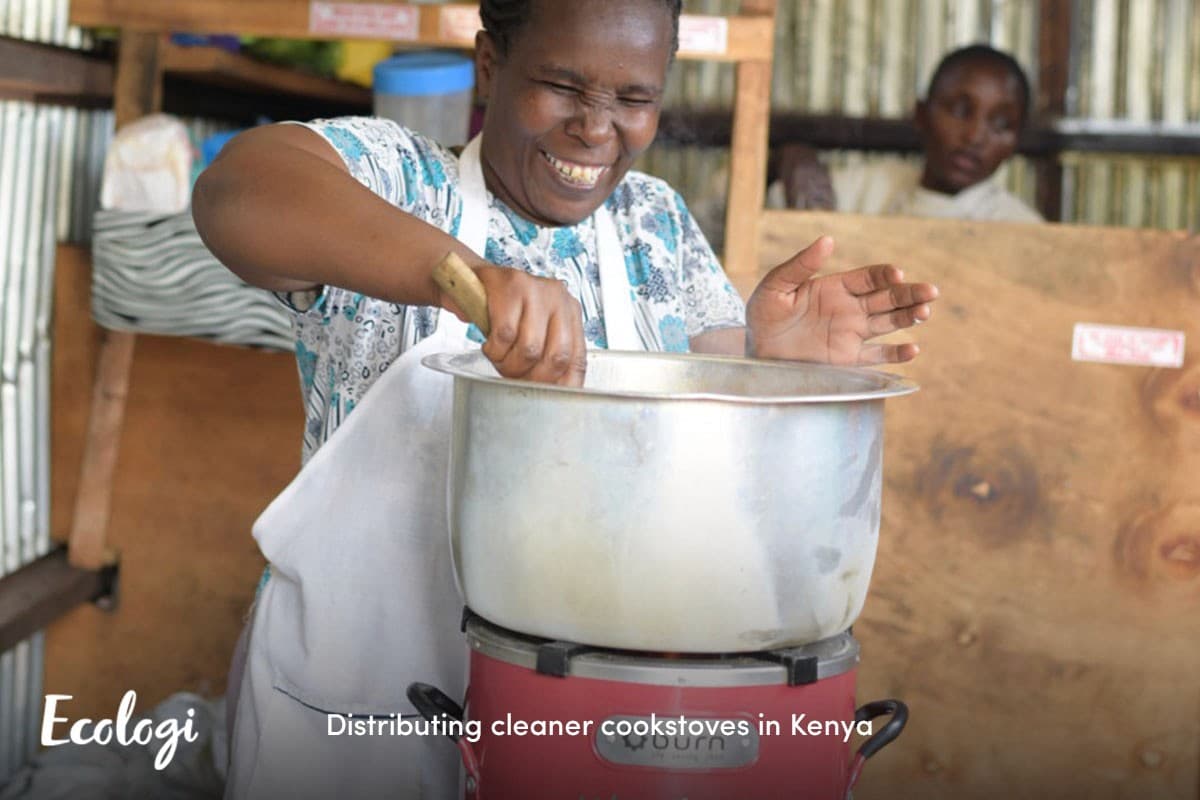
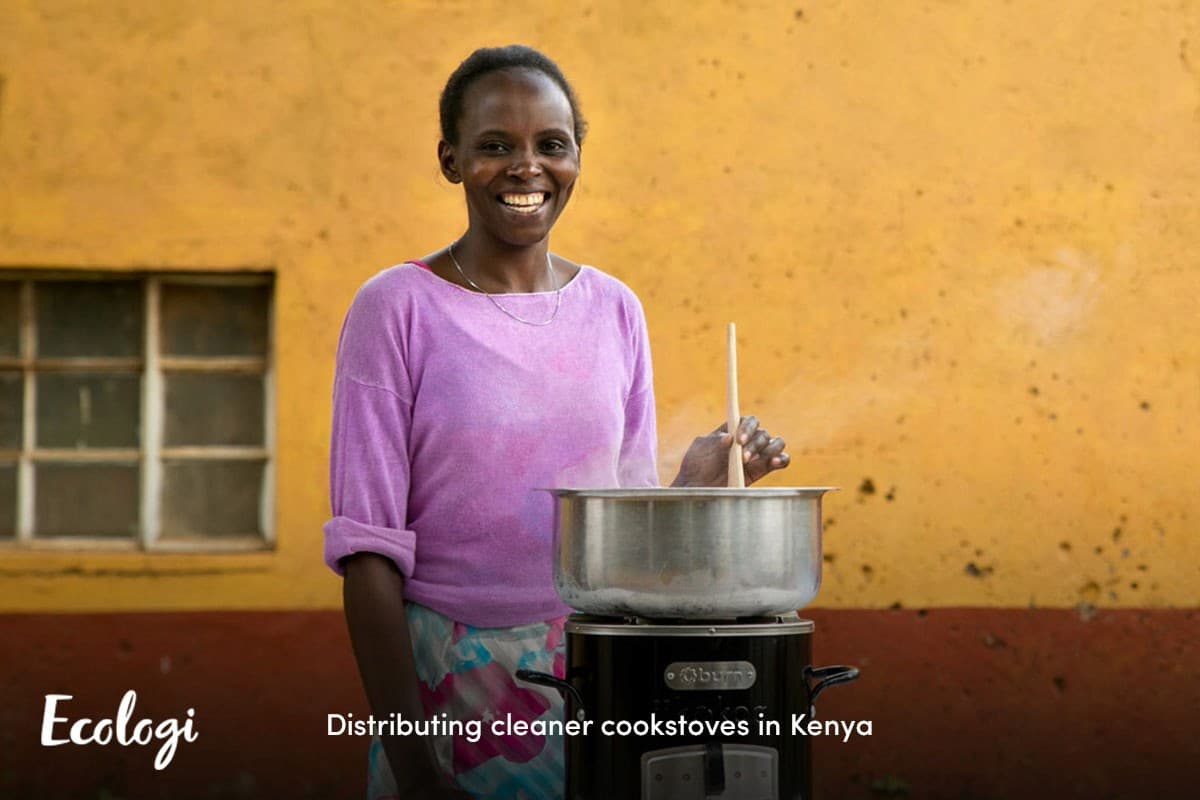
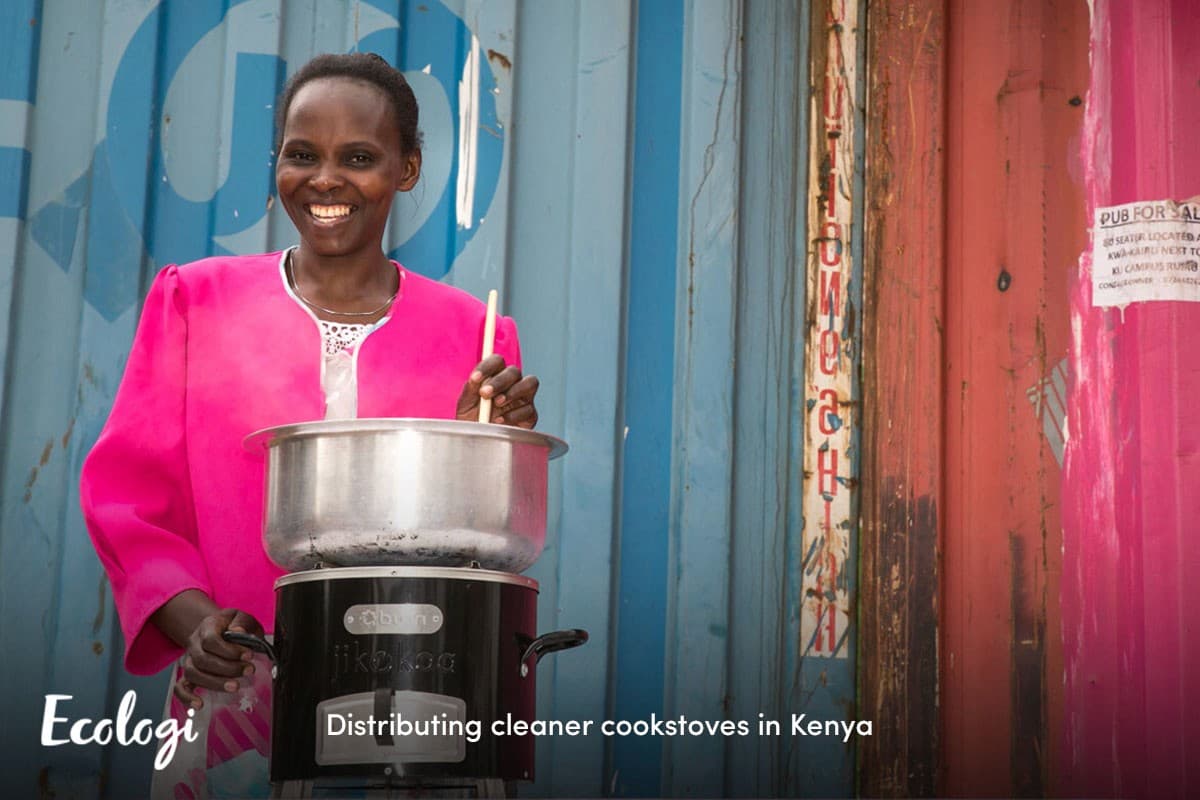
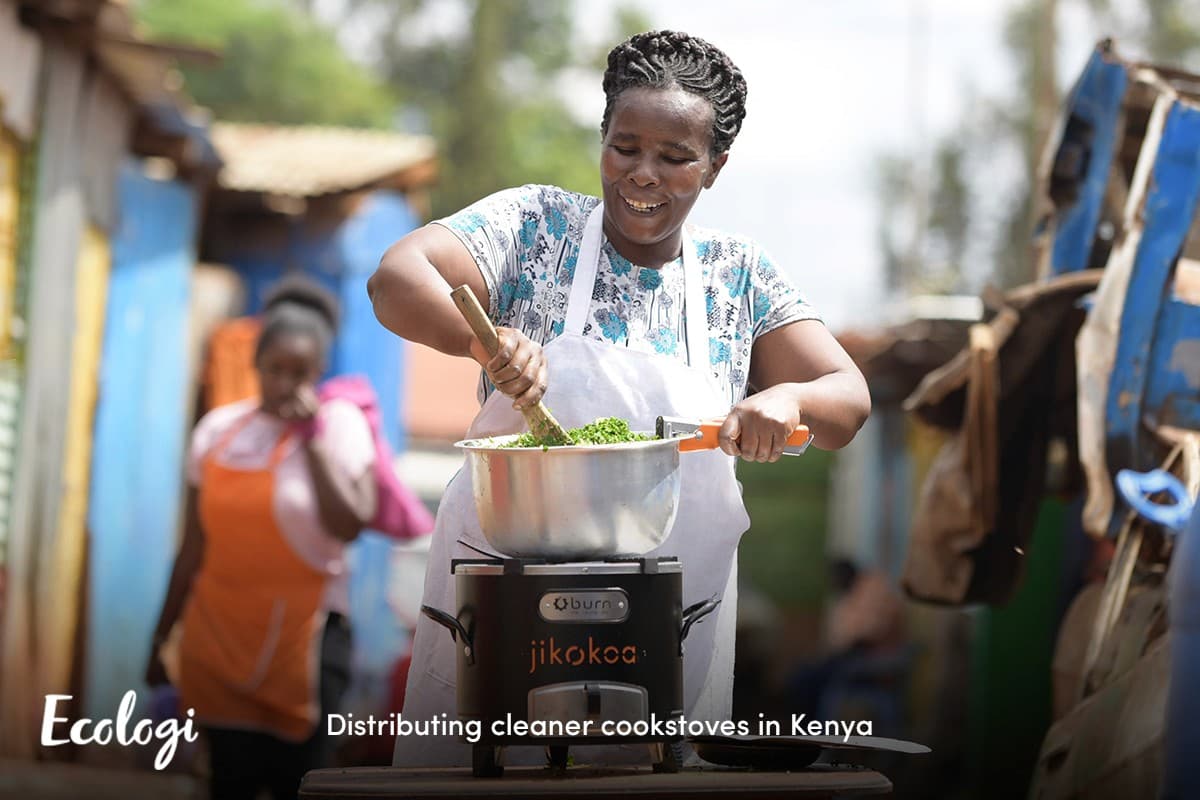
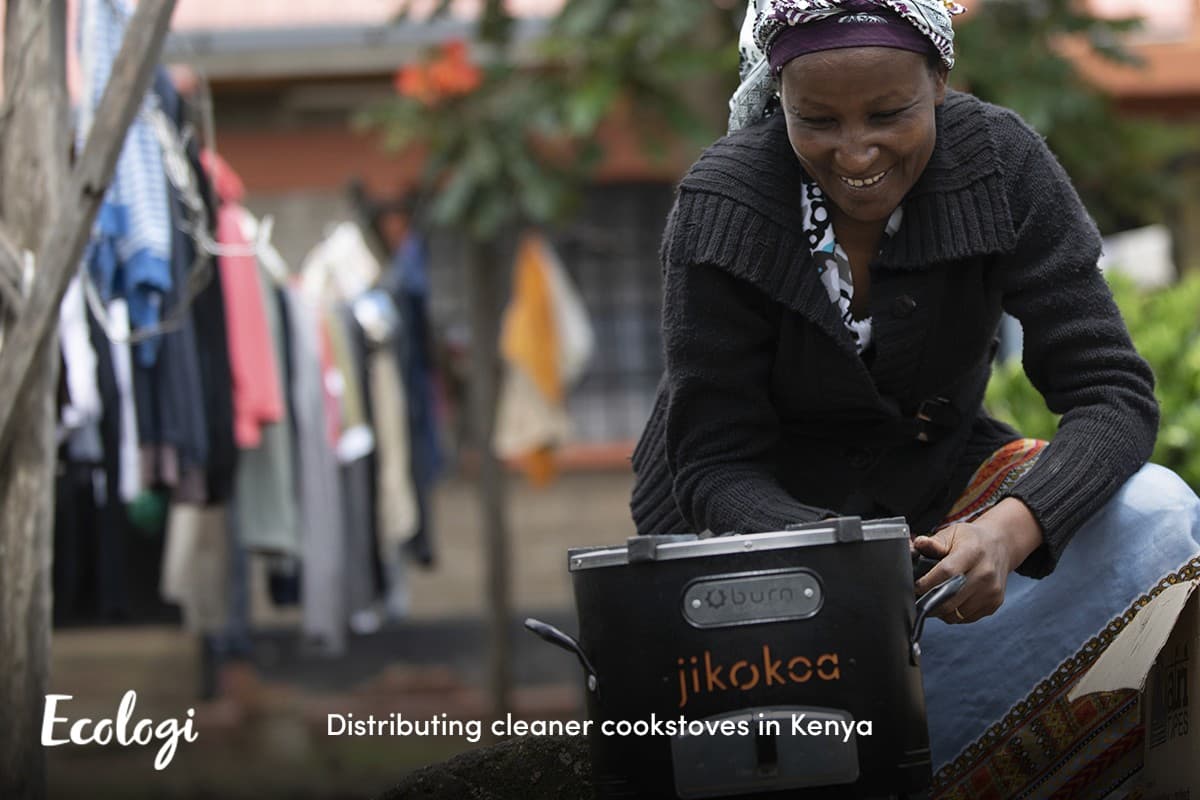
This project focuses on distributing efficient, improved stoves, a significant transformation that enables a more sustainable, economical, and healthier way to cook.

What are community projects?

Community projects bring climate action into everyday life, through changes such as more efficient cooking and better access to clean water. Using less fuel helps reduce emissions and pressure on surrounding forests. Depending on the project, it can also mean cleaner air at home and less time spent collecting firewood.

Project summary

This project aims to provide an efficient cooking system to the communities and institutions in the Republic of Kenya.

This project uses the Jikokoa stove technology and the BURN/Key Carbon delivery model. The programme targets rural households relying on highly inefficient traditional three-stone fires and open cookstoves (the baseline scenario) which consume large volumes of firewood, generate harmful indoor air pollution, and drive deforestation. Carbon finance is used to subsidise stove costs, enabling distribution to households that would otherwise be unable to afford the technology.

Locations

Kenya

Benefits

Climate

The project delivers significant climate action by reducing greenhouse gas emissions through decreased biomass consumption. By replacing traditional cookstoves with highly efficient Kuniokoas that achieve 42.4% thermal efficiency, households reduce their firewood consumption from an average of 2.57 tons per year to 1.01 tons per year. The project contributes meaningfully to Kenya's climate mitigation efforts while helping to slow deforestation and land degradation caused by excessive firewood harvesting.

Nature

This project provides substantial environmental benefits by reducing pressure on Kenya's natural ecosystems. The reduction in firewood consumption - from 2.57 to 1.01 tons per household annually - directly decreases deforestation and land degradation across the project area. This helps preserve soil fertility and the soil's water retention capacity, protecting watersheds and natural water patterns. By reducing the need for biomass harvesting, the project helps maintain intact ecosystems and biodiversity, protecting habitats for wildlife. The reduction in wood smoke and pollutant emissions also improves local environmental quality.

People

Besides reducing GHG emissions in line with the United Nations Sustainable Development Goal (SDG) number 13, ‘Climate Action’, this programme will also seek to increase other long-term sustainability benefits for local families, SMEs and institutions, as well as the local environment

BURN produces its cookstoves in a manufacturing facility located in Kenya, thus generating hundreds of jobs on the African continent. Other jobs will be created directly by BURN for sales, marketing, distribution, and monitoring staff. 

BURN ensures proper stove use through initial training, home visits, and post-purchase follow-ups, where sales agents are trained to reinforce correct and sustained usage practices.

Additionally, continuous training of field teams enhances their capacity to conduct usage monitoring, ensuring long-term knowledge retention and effective end-user engagement.

SDGs supported

No Poverty

For low-income households, fuel is a major recurring cost. By lowering fuel consumption, families can redirect savings toward food, education, healthcare, or small businesses. In addition, BURN creates stable employment across its value chain, providing income opportunities that help lift people out of poverty.

Good Health and Well-Being

The project dramatically improves health outcomes, with 99.23% of households experiencing better indoor air quality. Reduced smoke exposure lowers the risk of pneumonia, stroke, heart disease, chronic obstructive pulmonary disease, and lung cancer - conditions that disproportionately affect women and children who spend the most time near traditional cookstoves.

Quality Education

By reducing fuel demand and the frequency of collection trips, the project frees up time for school attendance, homework, and rest. Improved health also means fewer missed school days due to illness.

Gender Equality

Women and girls benefit directly from reduced fuel collection burdens and improved indoor air quality. The project also promotes women’s economic empowerment through employment.

Affordable and Clean Energy

The project ensures access to affordable, reliable, and sustainable energy by distributing an estimated 67,315 improved cookstoves over the first crediting period.

Decent Work and Economic Growth

The project creates at least 25 jobs across manufacturing, distribution, sales, marketing, and repair services.

Climate Action

The reduction in the use of fossil fuel for cooking purposes will result in emission reductions and eventually reduce the effects of Climate change in the host country.

Life on Land

By significantly reducing charcoal and firewood consumption through efficient cookstoves, the project decreases pressure on Kenya's forests and woodlands. Less demand for wood fuel means fewer trees are cut down, helping to halt deforestation.

Verification

These partners help deliver the project and verify its impact.

Suppliers

Burn
Burn

Over the past 10 years, BURN has built a successful business while proving that cookstoves can have transformative social, financial and environmental impacts.