
Summer assessments
Follow-up summer monitoring, mulching, and feedback assessments.
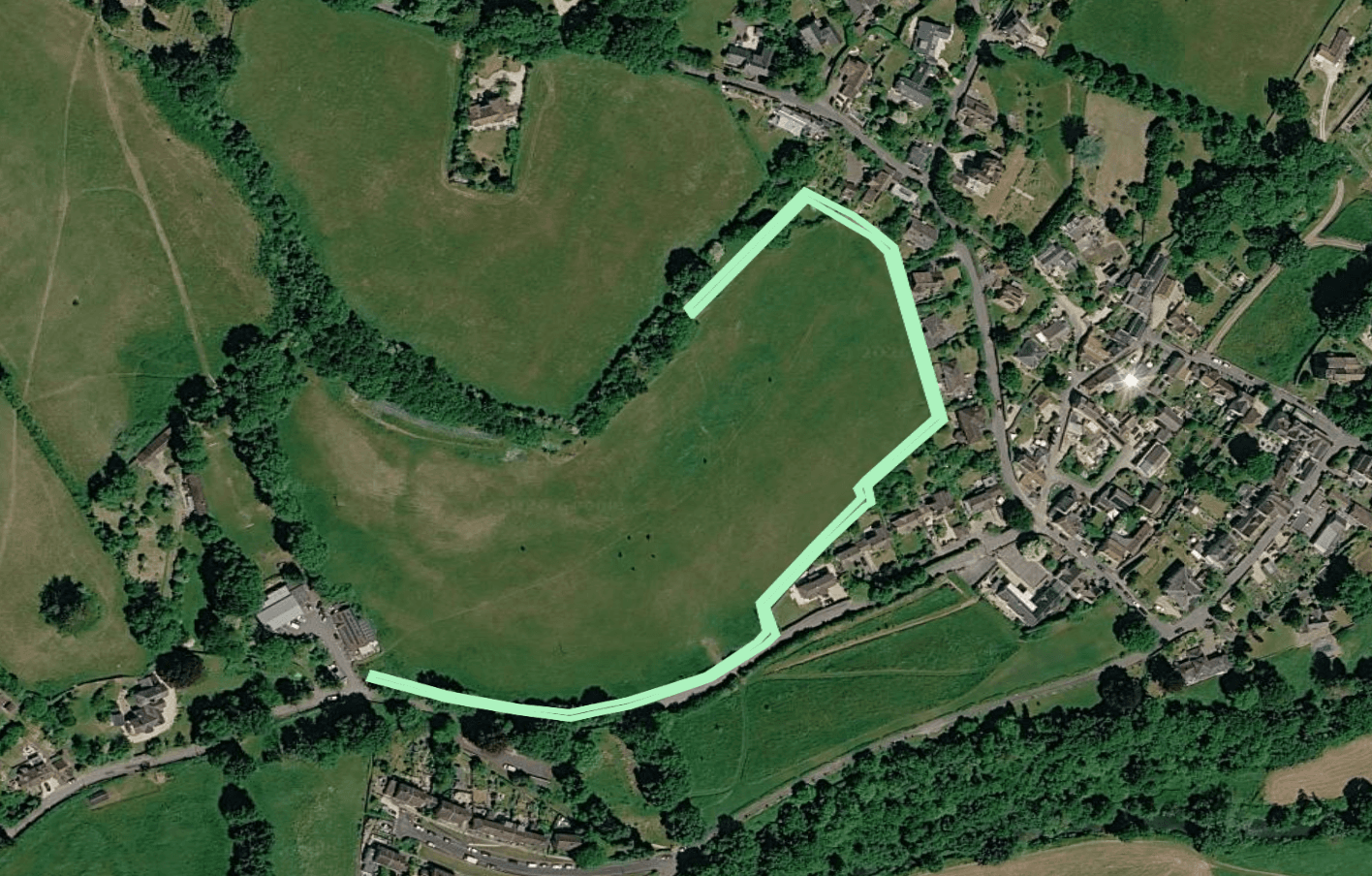
This project addresses the urgent need to reverse habitat degradation in predominantly agricultural and woodland areas by establishing diverse native hedgerows and new woodlands. By creating wildlife corridors and increasing tree cover, the project provides essential food, shelter, and connectivity for birds, pollinators, and other species. Uniquely, the project places young people at the forefront of conservation, with Youngwilders’ Wild Stewards leading the design and implementation of the Freshford and Winscombe projects.

Reforestation replants trees on land hit by natural or human disturbance. It restores forest structure and canopy, protects biodiversity and watersheds, and promotes carbon sequestration.
ITF is restoring biodiversity across three sites in the Bristol region by planting 750 native hedgerow whips and 500 new woodland trees, totalling 1,250 native trees. The projects aim to enhance biodiversity by restoring native species and habitats, strengthening connections with existing habitats in the surrounding landscape, and improving conditions for local wildlife. The initiative combines ecological restoration with youth-led conservation, empowering community members, particularly young people, through practical, hands-on activities.
The projects are located across three sites in the Bristol region, predominantly in agricultural and woodland ecosystems. The North Petherton project focuses on recruiting volunteers through existing databases, social media, the Women’s Royal Voluntary Service (WRVS), and Neighbourly. The Freshford and Winscombe projects were designed by Youngwilders’ Wild Stewards, engaging approximately 200 young people aged 18–30 through social media, the website, WhatsApp, and local partnerships.
Follow the latest milestones and updates from this project.
Follow-up summer monitoring, mulching, and feedback assessments.
Project launch with planting activities across all three sites.
January to March will be the main planting period for hedgerows and woodland.
The new woodland will increase tree cover, contributing to carbon capture and enhancing climate resilience in the region. The diverse native species planted will help the ecosystem adapt to changing climatic conditions, while hedgerows will act as windbreaks and improve soil health.
The project restores native species and habitats, providing food, shelter, and wildlife corridors for birds, pollinators, and other species. The new hedgerows will improve habitat connectivity, linking fragmented green spaces and supporting biodiversity across the agricultural and woodland landscape. All 1,250 trees are native UK species, ensuring ecological appropriateness.
Young people aged 18–30 will gain practical skills in tree planting, species identification, and nature recovery through the Youngwilders’ Wild Stewards programme. The projects provide opportunities for volunteers to work together towards shared environmental goals, supporting wellbeing and strengthening connections with nature. The land is publicly accessible, ensuring that environmental benefits are shared equitably across all communities.

The new woodland will increase tree cover, capturing carbon and strengthening climate resilience in the region. The diverse native species help the ecosystem adapt to changing climatic conditions, while the hedgerows act as windbreaks and improve soil health. Ongoing community maintenance and monitoring support the long-term establishment of these benefits.

Planting 750 hedgerow whips and 500 woodland trees, all native UK species, restores habitats and provides food and shelter for birds, pollinators and other wildlife. The new hedgerows create wildlife corridors that link fragmented green spaces and strengthen connections with existing habitats across the agricultural and woodland landscape.
These partners help deliver the project and verify its impact.
International Tree Foundation is a charity working with local communities to plant trees and restore forests in places where, together, we can make the fastest, most lasting impact for communities and the future of our planet.