
Tree planting begins!
From March until April, tree planting will occur (during the dormant season for optimal establishment).
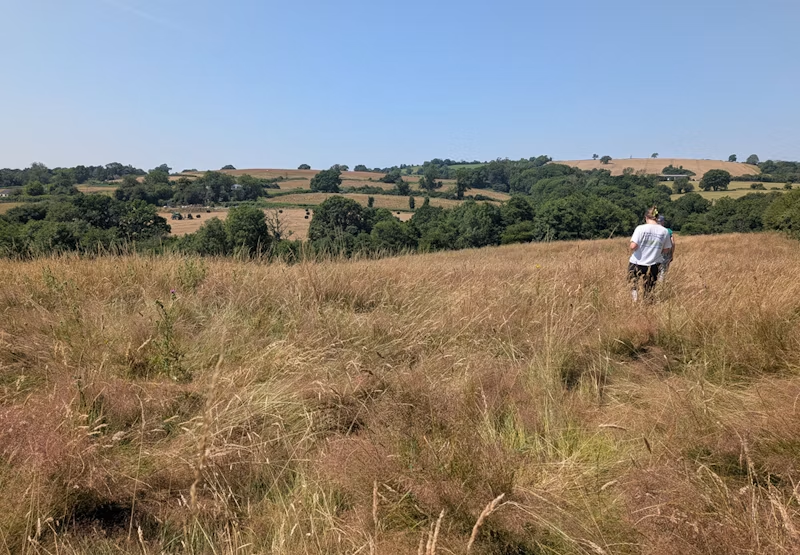
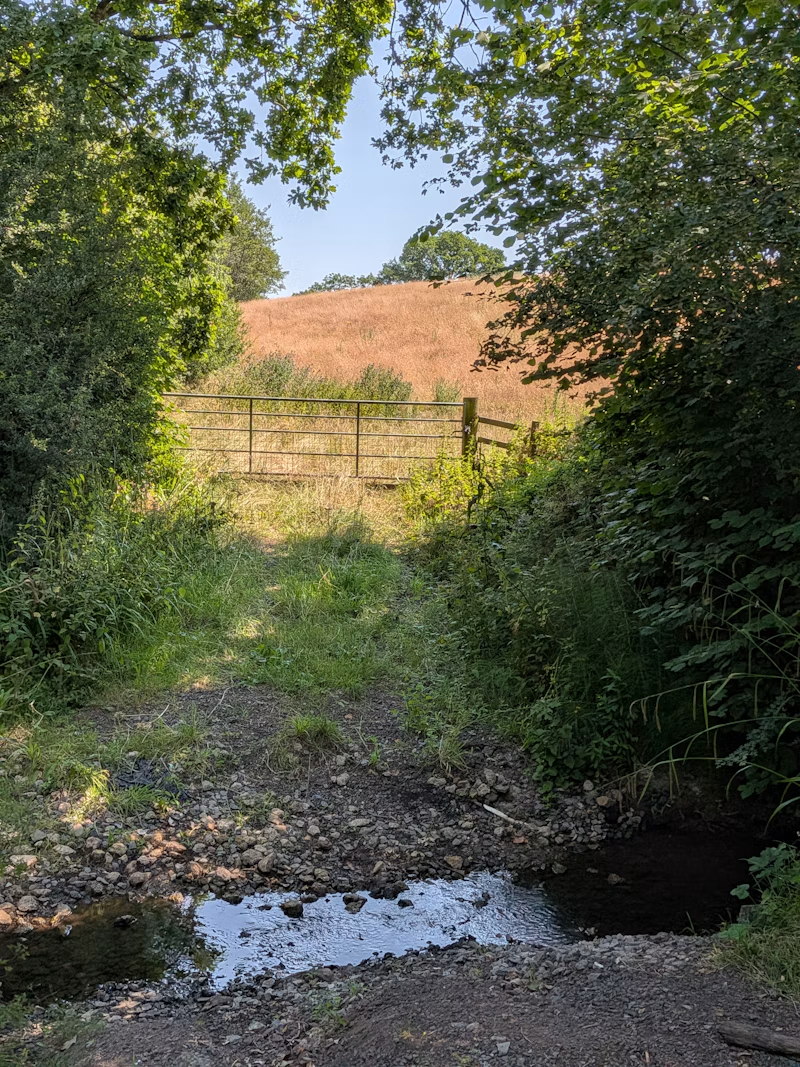
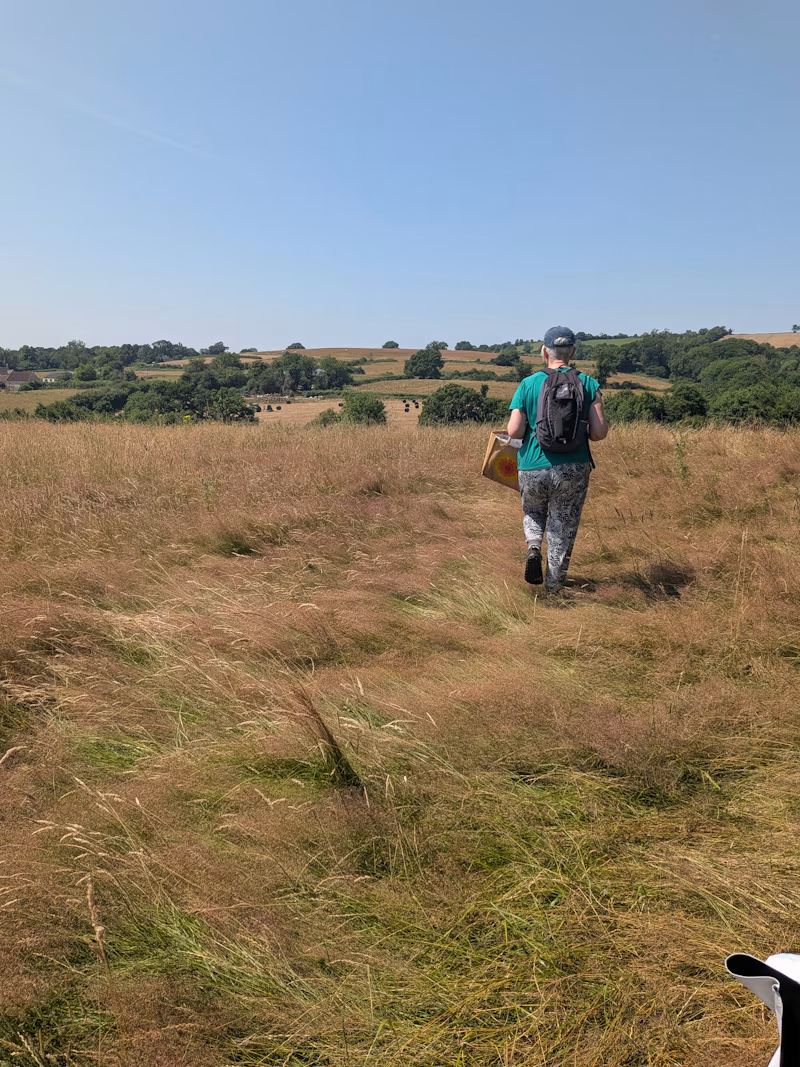
This project falls within the newly-announced Western Forest, contributing to a nationally-important, multi-generational project. Woodland fragmentation is one of the silent crises facing UK biodiversity. Small, isolated patches of trees suffer from “edge effects” , increased exposure to wind, invasive species, and human disturbance which degrade their ecological value over time. By creating a living corridor between two existing woodlands, this project directly addresses that problem.

Reforestation replants trees on land hit by natural or human disturbance. It restores forest structure and canopy, protects biodiversity and watersheds, and promotes carbon sequestration.
This project will create a new woodland in a very deforested area of England just south of Bristol and will see the planting of 1,613 native trees. It is hugely strategic as this planting will connect two areas of existing areas of Great Avon Wood, creating a natural corridor and lessening the edge effects we see with small woodland patches.
Follow the latest milestones and updates from this project.
From March until April, tree planting will occur (during the dormant season for optimal establishment).
Site preparation, stakeholder engagement, ordering of native saplings
The project zone is currently used as pasture land in an area of southern England that has experienced significant deforestation. The two existing fragments of Great Avon Wood nearby are ecologically valuable but isolated — their small size and separation limit their ability to support diverse wildlife and function as resilient ecosystems.
This project is part of the Western Forest, a newly announced multi-generational project spanning multiple local authorities in the West of England. The Western Forest aims to restore ancient woodland, create new habitats, and reconnect landscapes across the region. This planting site is a strategically chosen link within that wider vision.
The implementing organisation, ITF (International Tree Foundation), has worked in this area for many years and maintains strong local ties. They have engaged community stakeholders throughout the planning process, inviting local residents and organisations to submit ideas before the final design was set. The trees are guaranteed for 30 years, providing long-term certainty for the habitat and the community that will steward it.
This project delivers significant biodiversity gains by restoring 1,613 native trees from a carefully selected species palette suited to the local ecology. No alien species will be introduced, ensuring the woodland reflects and supports the natural character of the region. A minimum 85% survival rate is guaranteed, and the trees will be protected through biodegradable guards against rodents and deer, as well as wool mulch mats to shield young saplings from summer heat. Most importantly, the planting creates a living corridor between two existing woodland fragments, dramatically reducing the edge effects that weaken small, isolated patches and enabling wildlife, from birds and insects to mammals and ground flora, to move, thrive, and recolonise across the landscape. The pastureland itself will be transformed into a thriving native woodland, restoring a vital piece of the local ecosystem.
Local community stakeholders were invited to join the planning process and submit ideas before the design was finalised. They will be invited to join the planting and also to the scheduled maintenance days throughout the summer months.
The site will also be publicly accessible and involve as many local people as possible in the planting.

Planting 1,613 native trees on former pasture in a heavily deforested part of southern England increases tree cover and builds a more resilient ecosystem. The project forms part of the Western Forest, a multi-generational initiative to restore woodland and reconnect landscapes across the West of England.

The project creates a living corridor between two isolated fragments of Great Avon Wood, reducing the edge effects that degrade small woodland patches and allowing birds, insects, mammals and ground flora to move and recolonise across the landscape. Pasture is transformed into native woodland using a species palette suited to the local ecology, with no alien species introduced.
These partners help deliver the project and verify its impact.

International Tree Foundation is a charity working with local communities to plant trees and restore forests in places where, together, we can make the fastest, most lasting impact for communities and the future of our planet.