Knowledge Transfer
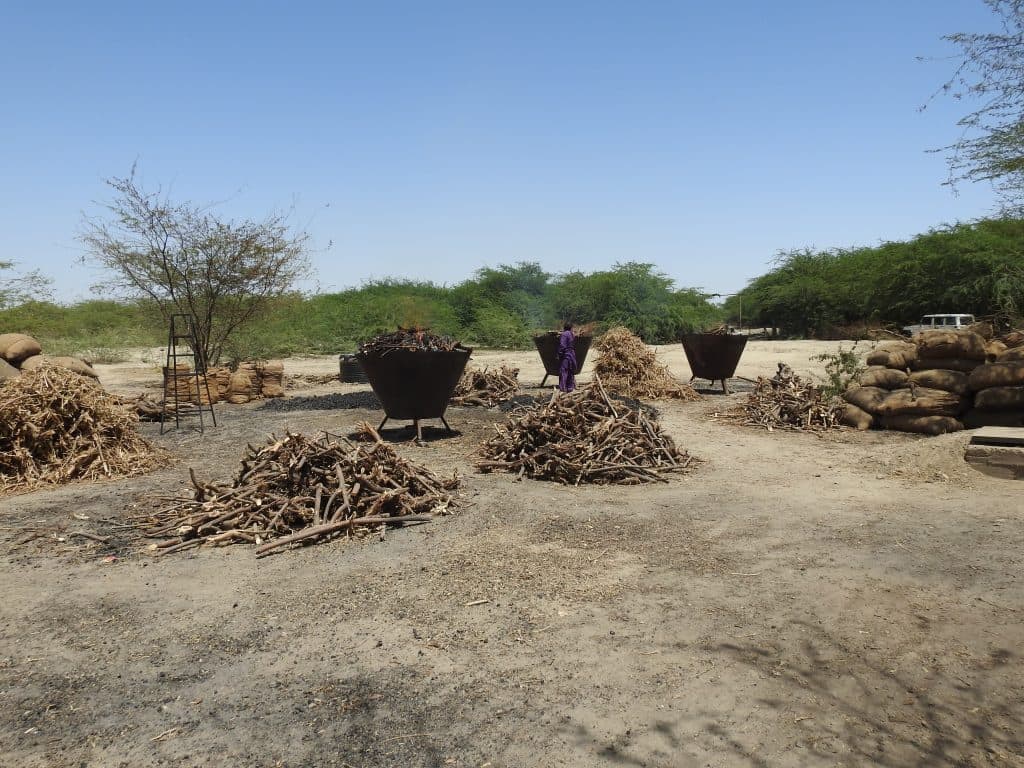
The project seeks to close the longstanding skill gap by delivering tailored training programs through the Global Artisan C-Sink Manager. Rather than relying on fragmented knowledge transfer, the initiative builds a structured pathway for individuals to develop mastery over sustainable biochar production. Training begins with practical instruction on assessing feedstock conditions, including moisture readings. These procedures are disseminated through structured training sessions designed to balance hands-on practice with theoretical understanding, encouraging knowledge sharing at the community level.
Community Engagement
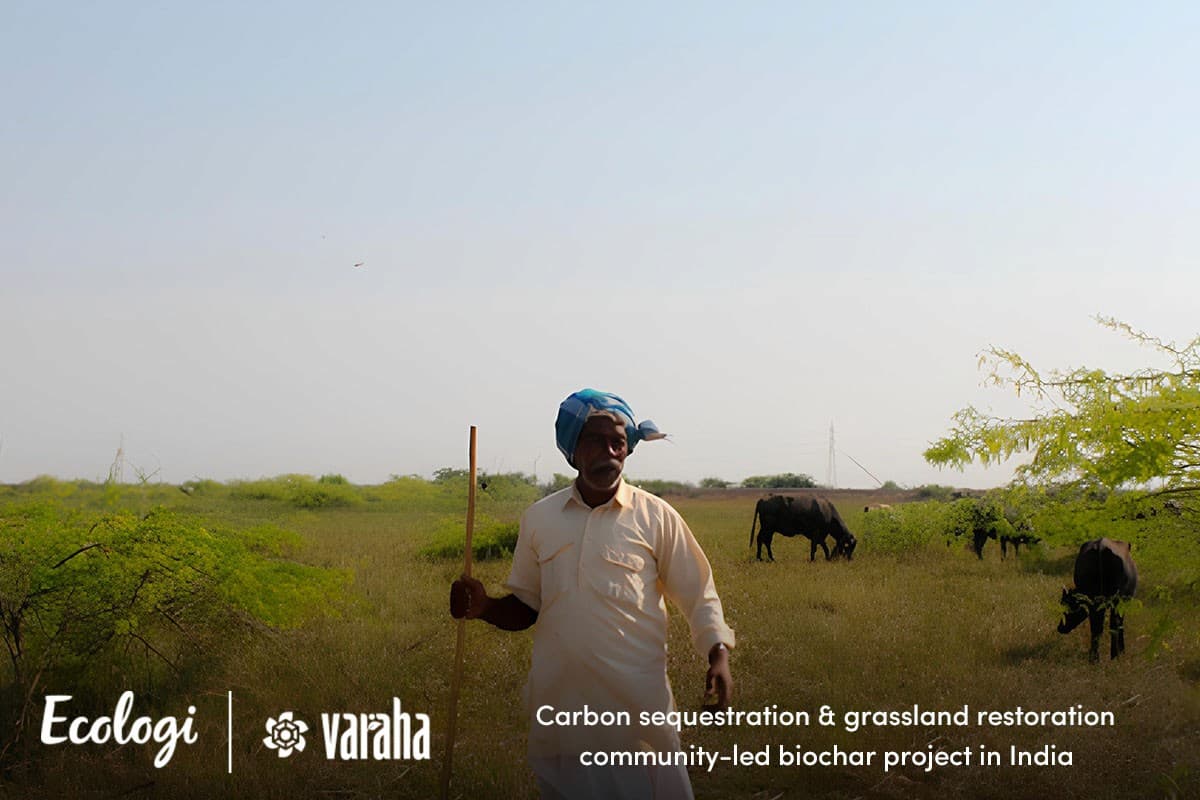
Community adoption is fostered through awareness-building and education campaigns that clearly communicate the agronomic, environmental, and financial benefits of biochar. By engaging farmers directly, the project cultivates buy-in and a sense of ownership, securing the long-term sustainability of the initiative.
Air Quality
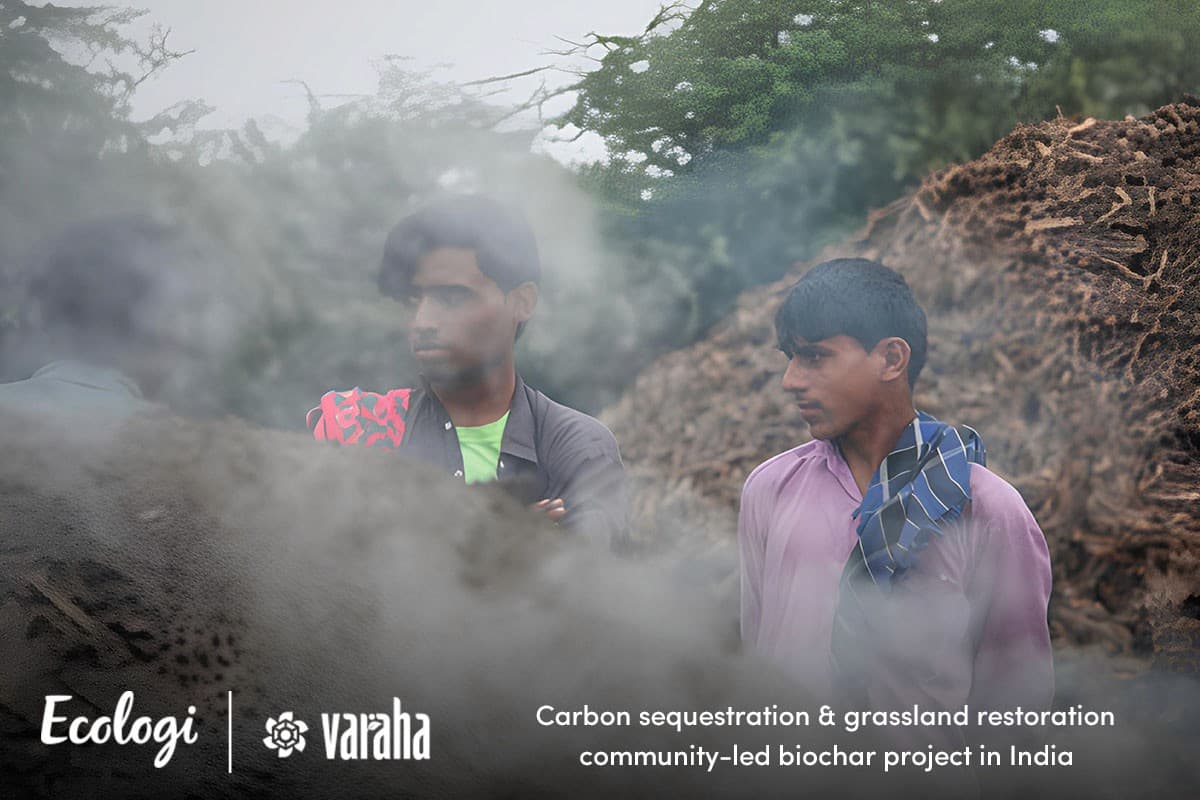
Biochar production eliminates the need for open burning of crop residues, significantly reducing air pollution and associated health risks.
Economic Benefits
The biochar production process can create new economic opportunities for farmers and local communities, transforming agricultural waste into a valuable resource and providing additional income streams.