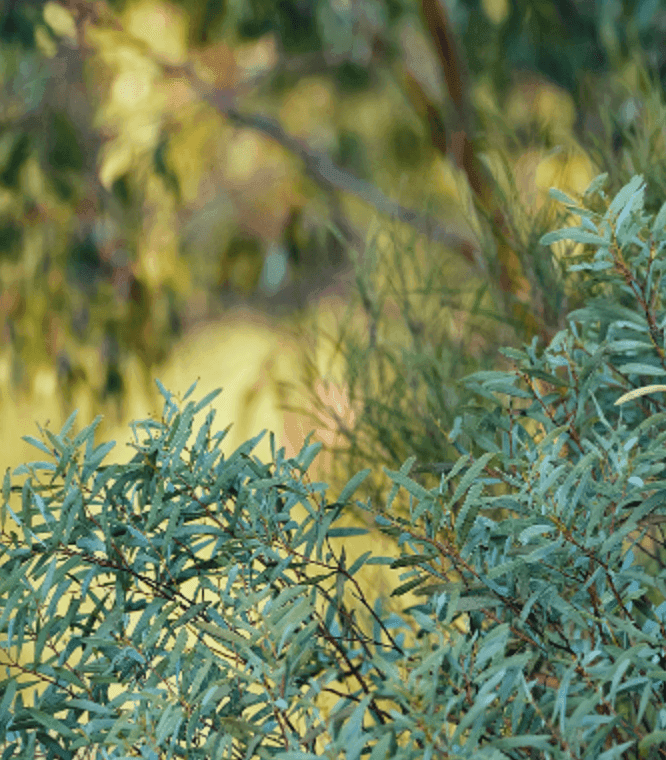
Tree planting initiatives in Australia are integral to addressing environmental degradation, biodiversity loss, and climate change.
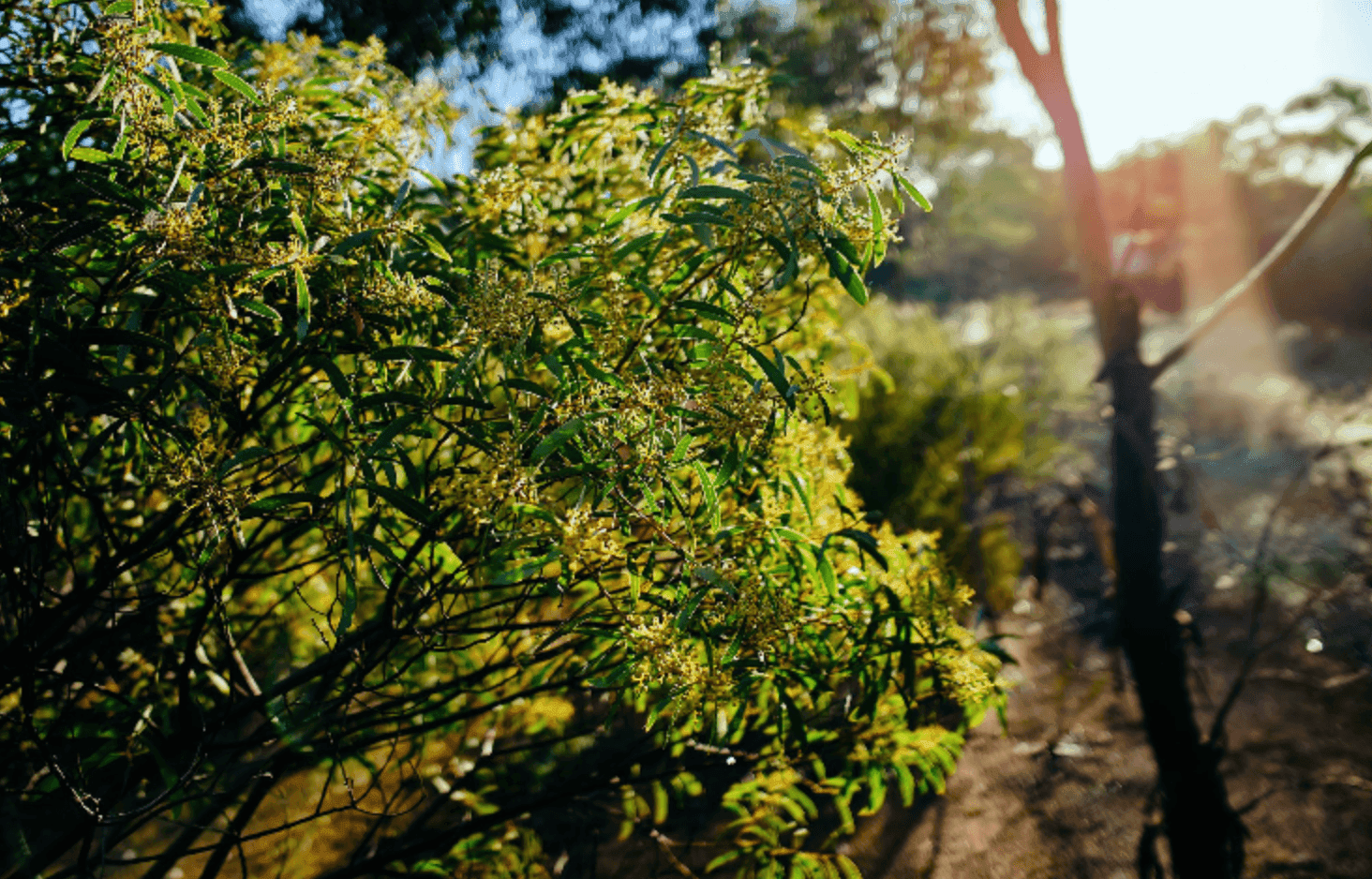
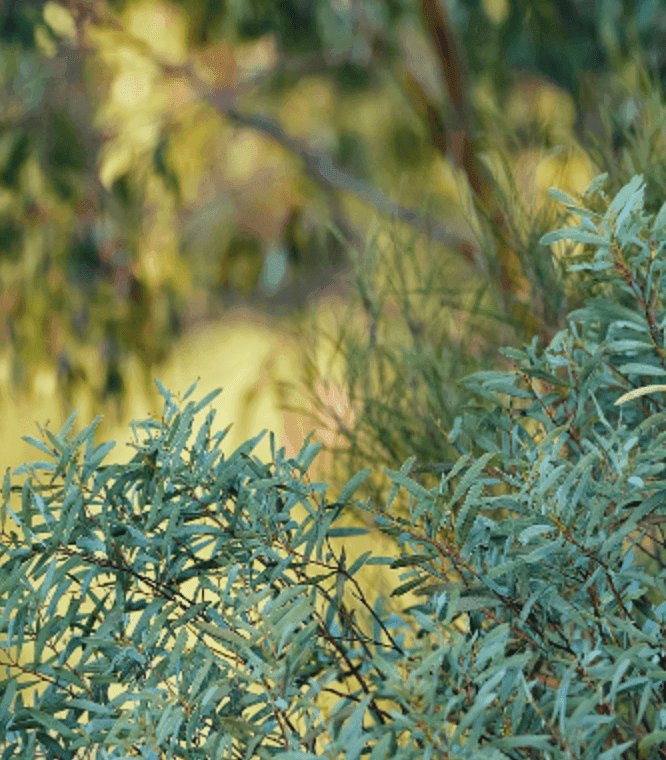
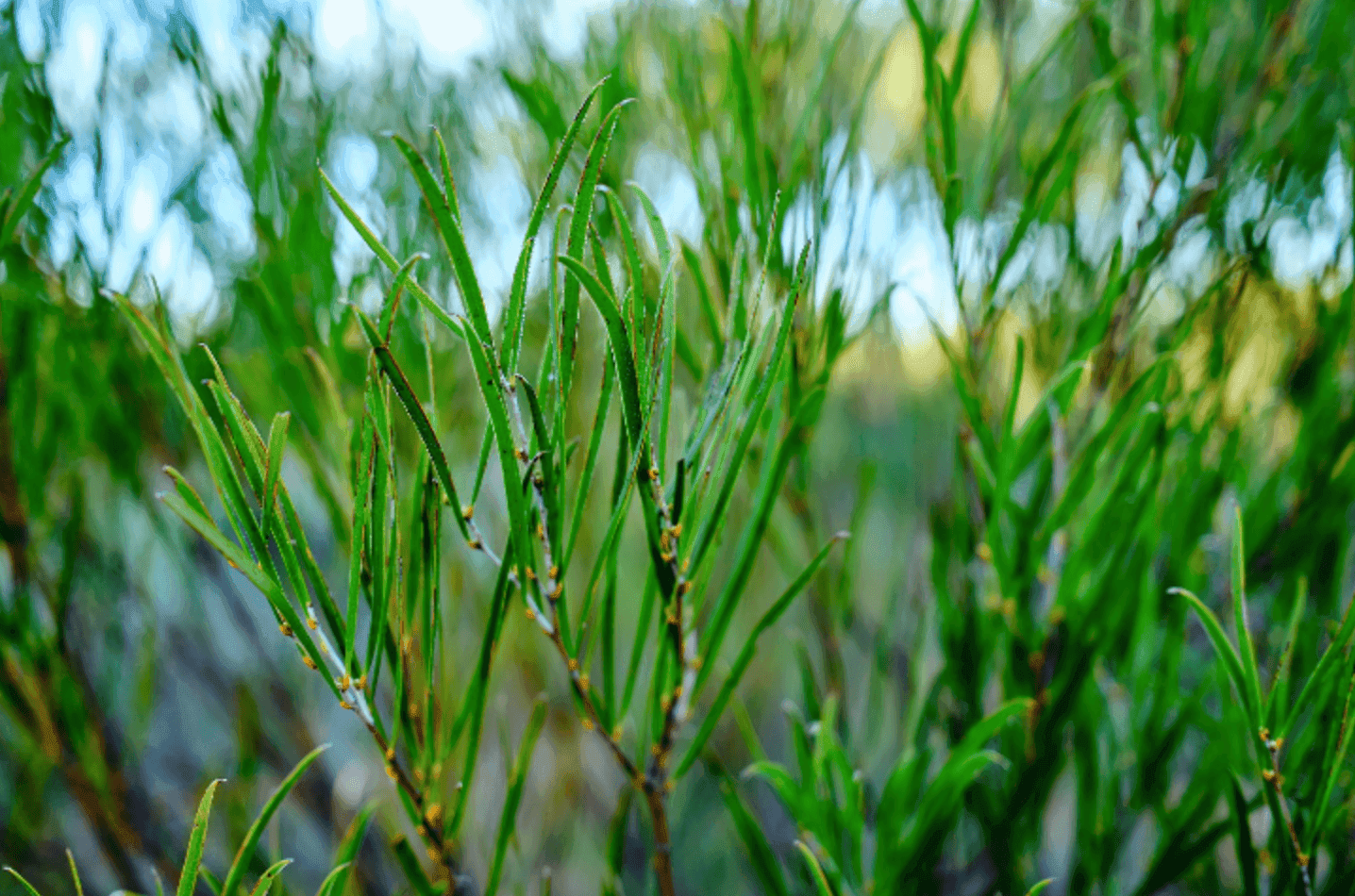
The Australian Yarra Yarra Biodiversity Project involves the establishment of native tree and shrub species (seed and seedlings) on a broad scale across land previously farmed.
The project area is implemented across seven rural properties located in Western Australia, specifically within the Morawa Shire and Perenjori Shire, where most of the communities are directly involved in farming activities or provide services to that industry. The project area borders the eastern zone of the ‘wheat belt’ district and desert, and land was historically cleared in the region for wheat cropping. The project is therefore located on degraded, semi-arid agricultural land that no longer supports viable farming practices.
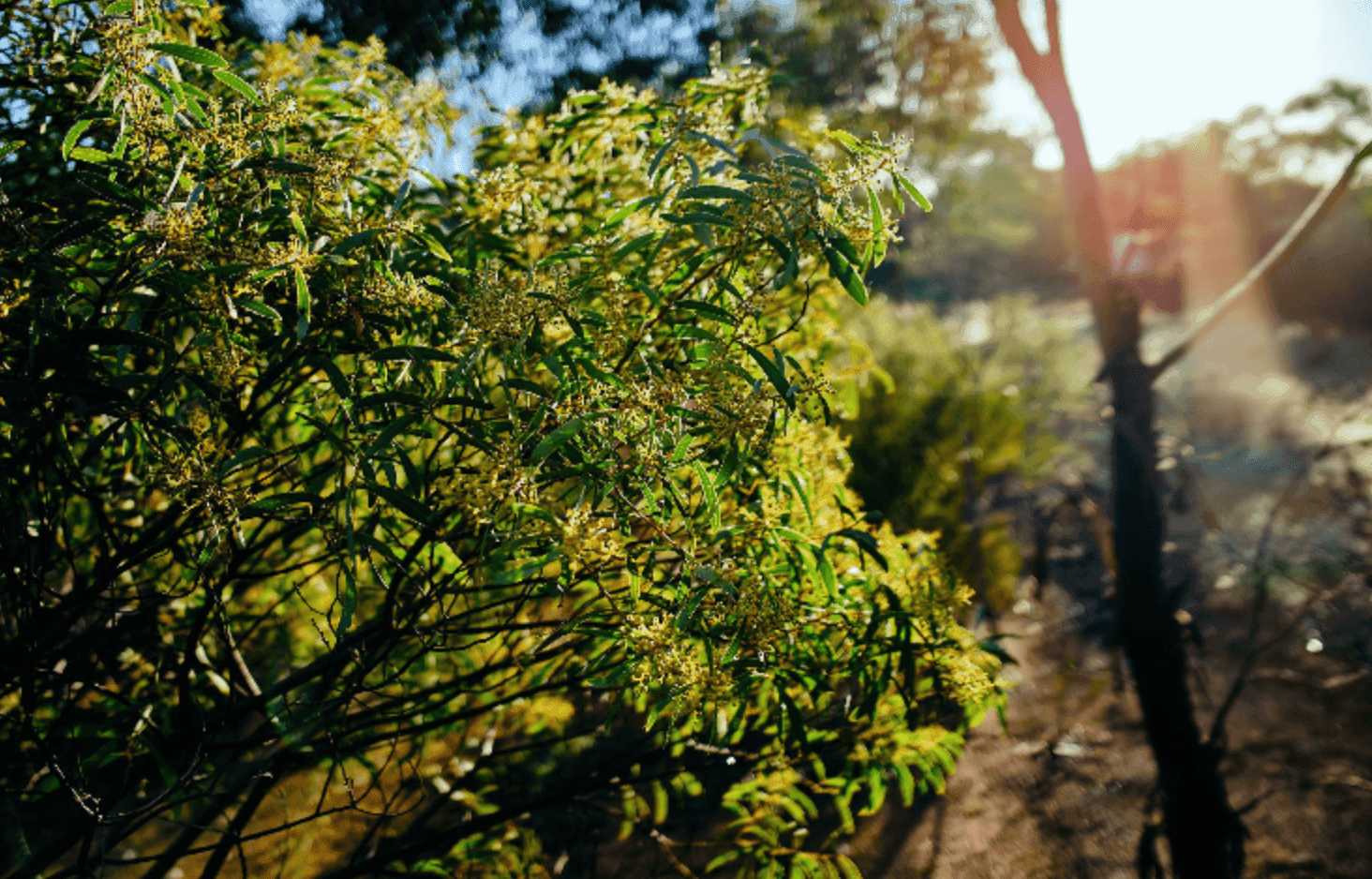
The project focuses on restoring a biodiversity corridor in Western Australia’s Midwest and Wheatbelt regions by replanting native vegetation across formerly agricultural land. Since 2008, approximately 73 shrub species and 25 tree species have been identified.
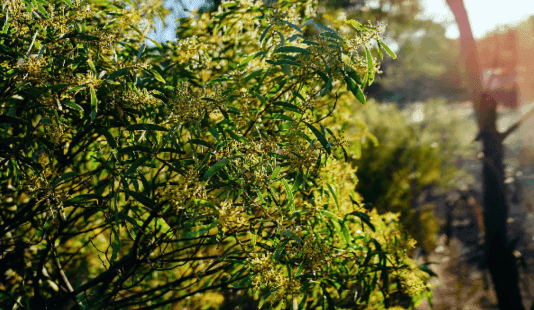
The project areas have been established using mechanical direct seeding and manual hand planting of seedlings. All species established are endemic native trees and shrub species, with approximately 30 different species used throughout the program.
Project Scope and Objectives:
Reforestation and Ecological Restoration:
This project is a reforestation (land use and forestry) initiative that removes atmospheric carbon dioxide by planting native trees and shrubs on land previously used for agriculture (cropping and grazing).
Carbon Sequestration:
The project implementation transforms degraded farmland into a permanent carbon sink, mitigating emissions that would otherwise persist in a low-sequestration state.
Long-term sustainable development:
Beyond climate benefits, the restoration enhances biodiversity by recreating critical habitats and delivers ancillary socioeconomic and environmental advantages to local and global communities.
Water quality improvement (by reducing salinity in surface runoff), land restoration and biodiversity protection, and improvement of local microclimates and ecosystem health are all key objectives of the project.