

Carbon avoidance
Generating renewable wind energy in Brazil
Overview
Site
Benefits
Verification
Context
Brazil is one of the world’s largest energy consumers, and much of its current grid is fuelled by hydropower. However, recent discoveries of oil have led to increases in fossil fuel generation in the country, surpassing 4 million barrels of oil equivalent generated per day, in 2020.
With a huge land area covering many climatic zones and over 7,000km of coastline, Brazil’s geography makes it suitable for renewable electricity generation including through wind and solar.
Project
This project involves a number of wind power plants, across the Ventos do Piauí wind complex, and will prevent the emissions of 430,000 tonnes CO2e on average every year that it is operational, which will be for at least 10 years.
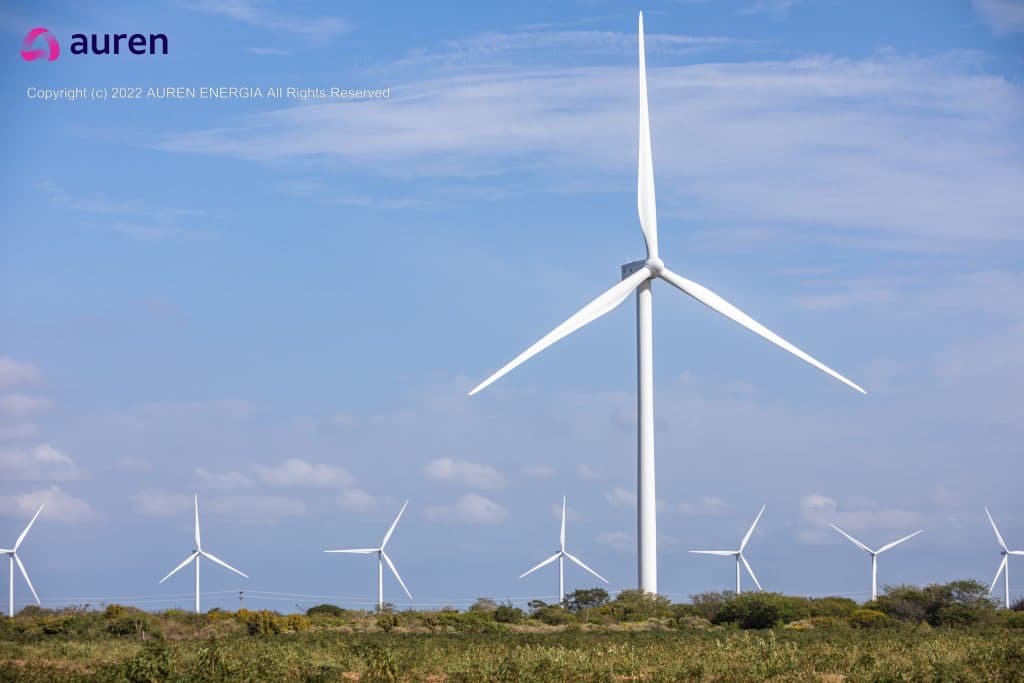
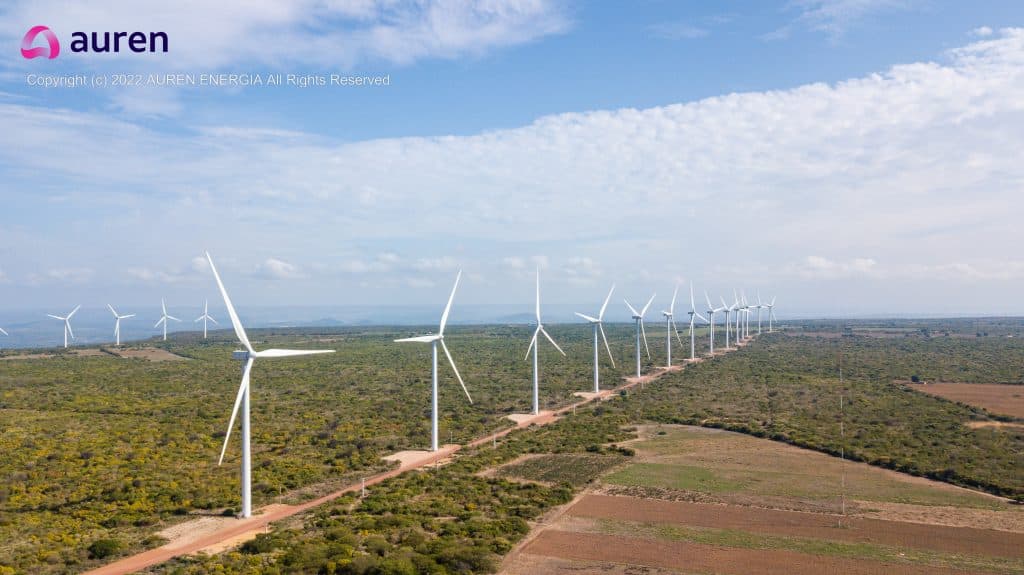
Electricity generated by the wind turbines in this project is passed into the Brazilian Interconnected System, reducing carbon dioxide emissions through the displacement of fossil fuel-derived energy. The project is comprised of seven groups of fourteen turbines, with each turbine generating 2.1 MW of renewable energy.
Verification
This project is verified by the Verified Carbon Standard. You can view it on the Verra Registry here.

Climate Solution #2
Onshore wind turbines
Onshore wind turbines generate electricity at a utility scale, comparable to power plants. They replace fossil fuels with emissions-free electricity.
Today, 314,000 wind turbines supply nearly 4 percent of global electricity, and it will soon be much more. In 2015, a record 63 gigawatts of wind power were installed around the world.
Onshore wind farms have small footprints, typically using no more than 1 percent of the land they sit on, so grazing, farming, recreation, or conservation can happen simultaneously with power generation. What’s more, it takes one year or less to build a wind farm—quickly producing energy and a return on investment.
Photos
Locations
Piaui, Brazil
Benefits
Sustainable development goals
These Sustainable Development Goals show the wider outcomes this project supports beyond its headline impact.


Verification
These partners help deliver the project and verify its impact.
Verifier

Verified Carbon Standard
The Verified Carbon Standard (VCS) Program is the world's most widely used greenhouse gas (GHG) crediting program.