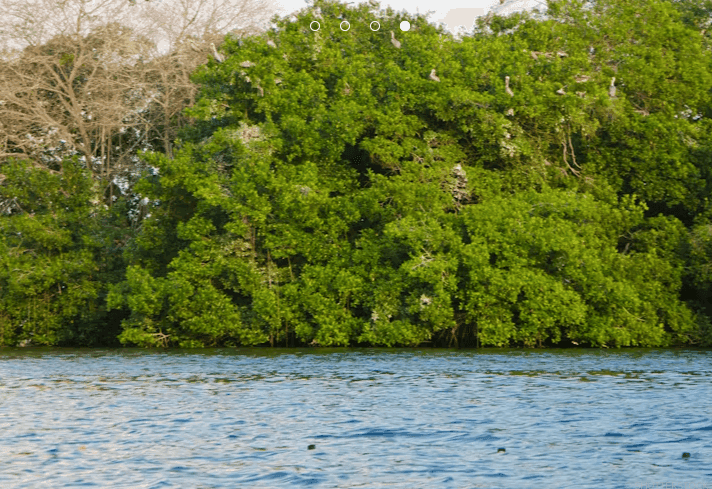
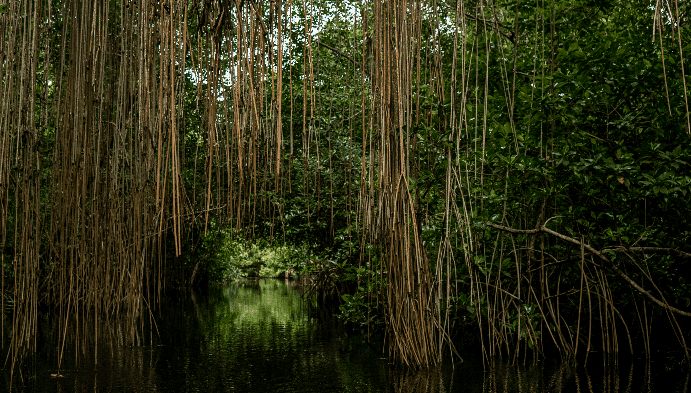
Located along Colombia’s Caribbean coast, the Gulf of Morrosquillo is home to some of the region’s most ecologically valuable mangrove and marine-coastal ecosystems. This area includes key protected zones such as the mangroves of Cispatá Bay, La Balsa-Tinajones, the estuarine delta of the Sinú River, La Caimanera’s lagoons and mangrove systems, and the Boca de Guacamayas sector. These ecosystems not only play a vital role in biodiversity conservation but also support the livelihoods and cultural heritage of local communities.
The Blue Carbon Project in the Gulf of Morrosquillo is a grouped initiative that aims to reduce greenhouse gas emissions through the improved management, restoration, and protection of these mangrove forests. Launched on 15 May 2015 with a 30-year timeline, the project targets an estimated reduction of 1,221,717 tCO2e. Its approach is centred on four strategic pillars: strengthening local governance, supporting alternative sustainable livelihoods, rehabilitating degraded mangrove areas, and implementing robust monitoring systems.